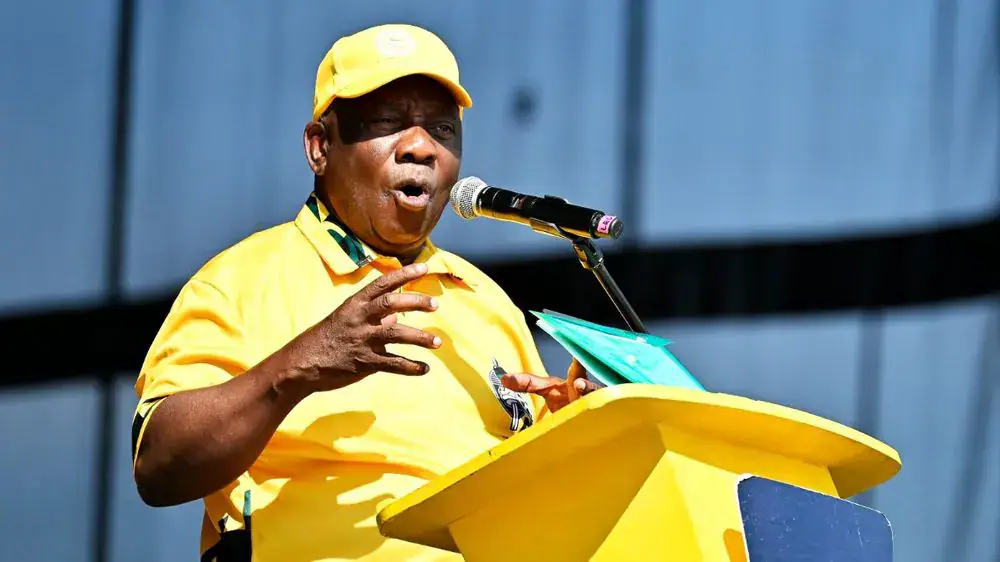
The African National Congress (ANC), once the heartbeat of South Africa's liberation struggle, is confronting the consequences of years of political arrogance, poor leadership, and a growing disconnect from the people it was established to serve. Since Cyril Ramaphosa assumed the presidency in 2018, the organisation has steadily lost the trust of millions of South Africans. The ANC's support has declined from 62.15% of the national vote in 2014 to 57.5% in 2019 and 40.2% in 2024, and further to 31% in the latest local government elections.
The cracks within the ANC can be traced to the December 2017 elective conference, where allegations of money being used to influence delegates and buy political support became a subject of fierce internal contestation. Allegations of financial influence were repeatedly raised by factions within the organisation, including those opposed to Ramaphosa's rise to power. The organisation's policy conferences, National General Council (NGC) meetings, and traditions of branch-led decision-making appeared to lose their former prominence.
The introduction and application of the controversial 'step-aside rule', which resulted in the removal of Ace Magashule from his position as secretary-general, further deepened divisions, with critics viewing it as a mechanism used selectively against political opponents. The arrest of the ANC former President Jacob Zuma in 2021 raised eyebrows and caused more divisions in the ANC. These developments, alongside persistent allegations of financial impropriety and growing concerns about the absence of accountability at the highest levels, contributed to an organisation increasingly divided against itself.
Growing dissent has been evident as South Africans have raised their voices about unemployment, poverty, crime, corruption, illegal immigration, collapsing municipalities, and deteriorating public services. Communities have protested over water shortages, electricity failures, poor roads, dysfunctional hospitals and clinics, and the absence of meaningful economic opportunities. Yet, instead of demonstrating the urgency required to address these challenges, the ANC leadership increasingly appeared consumed by internal political battles, factionalism, and the pursuit of political survival.
The consequences of these failures are reflected in the country's economic and social realities. Unemployment remains one of South Africa's greatest national emergencies, crime continues to devastate communities, and public confidence in law enforcement has been severely undermined. Hospitals and clinics face infrastructure, staffing, and resource challenges, while municipalities struggle to deliver even the most basic services.
The electoral figures tell a story that political speeches can no longer conceal. In 2024, the ANC lost its parliamentary majority for the first time since 1994, forcing it into a Government of National Unity. The subsequent decline in local government support has further exposed the extent of its weakening political influence. This is the electorate speaking through the ballot box, with citizens no longer prepared to offer unconditional loyalty based on the history of a liberation movement.
The decline of the ANC should serve as a warning to every political organisation and every leader who may one day occupy public office. No organisation, regardless of its history, liberation credentials, or political influence, is too powerful to fall. The ANC survived decades of oppression and led the struggle for a democratic South Africa, yet it failed to appreciate that the greatest responsibility of leadership is not to demand loyalty from the people, but to earn it through effective governance and service delivery.
Key points
- ANC's electoral support has declined to 31% in local government elections amid allegations of poor leadership and financial impropriety.
- The organisation's internal democratic culture has eroded, with allegations of financial influence and selective application of the 'step-aside rule' deepening divisions.
- The ANC's decline serves as a warning to every political organisation and leader, highlighting the importance of effective governance and service delivery in maintaining public trust.