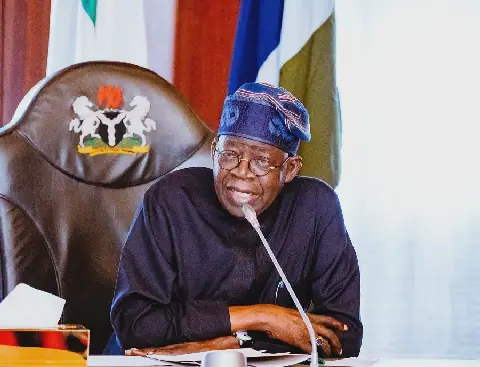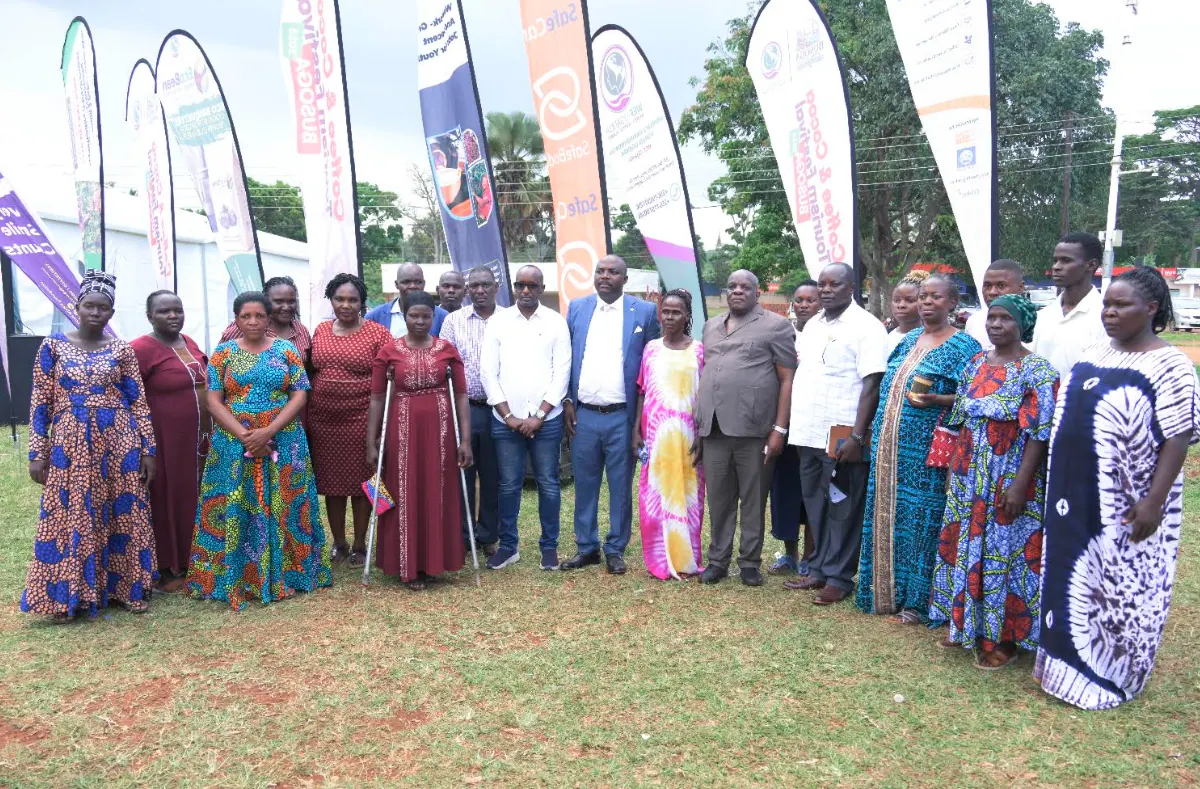
The Special Presidential Assistant–Press and Mobilisation, Alhaji Faruk Kirunda, has urged stakeholders to invest in coffee and cocoa value addition and agro-tourism to create jobs for young people and accelerate economic transformation in Busoga. He made the call during the inaugural Busoga Coffee and Cocoa Tourism Festival held at Jinja Showgrounds on September 18, 2026. The festival aims to promote economic transformation in the region through value addition and agro-tourism.
Alhaji Kirunda emphasized that coffee and cocoa should not be viewed merely as agricultural commodities, but as complete value chains capable of supporting thousands of livelihoods and businesses. He noted that opportunities exist at every stage of the value chain, including production, aggregation, processing, transportation, packaging, branding, and export. By increasing local processing and manufacturing, Uganda can move beyond exporting raw materials and capture a greater share of the value generated from its products.
The development of coffee and cocoa value chains presents significant opportunities for Uganda's young population, Alhaji Kirunda said. He urged stakeholders to create pathways for young people to become producers, entrepreneurs, innovators, service providers, and employers. Opportunities for young people extend beyond farming to processing, logistics, digital marketing, agricultural technology, packaging, hospitality, tourism, and export services.
Alhaji Kirunda also stressed the need to connect skills, finance, production, markets, and mentorship if young people are to establish sustainable enterprises. He emphasized that skills without access to markets, finance without viable business models, and production without reliable buyers may not deliver the desired economic transformation. Furthermore, he called for greater economic participation of women, noting their significant contribution to agriculture, trade, food processing, and household economies.
On agro-tourism, Alhaji Kirunda said Busoga's agricultural, cultural, and historical assets could be integrated to create new sources of income for communities. Coffee and cocoa farms could be developed into tourism destinations where visitors learn about production and processing, taste locally produced products, purchase locally made goods, and experience Busoga's culture. This can create opportunities for accommodation providers, restaurants, transport operators, guides, artisans, performers, and other local businesses.
Alhaji Kirunda challenged stakeholders to focus not only on attracting tourists but also on ensuring that tourism generates tangible economic benefits for local communities. He emphasized the importance of market access and export readiness, noting that buyers require consistency, quality, traceability, reliable supply, appropriate packaging, and credible businesses. The festival provides a platform for farmers, cooperatives, processors, exporters, investors, young people, women, tourism actors, financial institutions, development partners, and Government agencies to establish productive linkages.
The success of the festival should be reflected in the relationships established, the businesses connected, the investments mobilised, the markets opened, and the commitments that continue after the festival, Alhaji Kirunda said. He linked the festival to President Yoweri Kaguta Museveni's emphasis on moving Ugandans from a subsistence way of life into the money economy. Government programmes such as the Parish Development Model (PDM) and Emyooga are intended to support household production, enterprise development, access to finance, skills development, and commercial agriculture.
Key points
- Alhaji Kirunda calls for investment in coffee and cocoa value addition and agro-tourism to create jobs and accelerate economic transformation in Busoga.
- The development of coffee and cocoa value chains presents significant opportunities for Uganda's young population.
- Agro-tourism can integrate Busoga's agricultural, cultural, and historical assets to create new sources of income for communities.