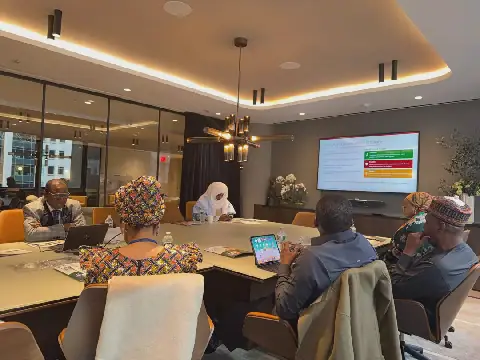
Two students from the University of Technology and Applied Sciences (UTAS), Munayya Musah Seidu and Abdul Aziz Alhassan, have developed SafeSiso, a WhatsApp chatbot designed to provide Ghanaian teenagers with private answers on sensitive topics such as menstruation, sex, and pregnancy. The chatbot, which was formally launched in Navrongo, aims to create a confidential space for adolescents between the ages of 10 and 19 to ask questions they may be too afraid to raise with parents or teachers.
SafeSiso was born out of the United Nations Population Fund (UNFPA) Ghana "AI for Her Future" Hackathon and is being rolled out in partnership with UNFPA, with funding from the Government of Canada under its Adolescent Girls Programme. The chatbot can be accessed by saving a dedicated WhatsApp number, 0559883060, and chatting with SafeSiso as one would with any regular contact. The developers plan to expand engagement to more schools and regions to teach young people how to use the platform.
According to Seidu, co-founder of the initiative, the idea came from recognising the struggles young people face in discussing sexual and reproductive health matters with parents, teachers, or other trusted adults due to stigma and cultural taboos. SafeSiso is built to detect when a conversation touches on sensitive issues requiring more than information, and in those cases, it can refer users to verified health professionals and support services.
The developers currently have a presence in some schools in the Upper East Region, and anyone with a phone and internet connection can access the chatbot, regardless of location. Theresa Fosuaa Yeboah, an Innovation Specialist at UNFPA, stressed that adolescents often face real barriers to reproductive health information, including distance from health facilities, misinformation, stigma, and fear of asking the wrong question to the wrong person.
Ghana Health Service data shows that 53,415 adolescent girls aged 10 to 19 recorded pregnancies nationwide between January and July 2026, underscoring the scale of the problem SafeSiso is designed to help address. Yeboah emphasised that the project is not about technology for its own sake but about putting accurate information into girls' hands at the right time, in a way that feels safe and accessible.
SafeSiso is meant to serve as a bridge to human support services rather than a replacement for teachers, counsellors, or health professionals when a young person's concerns need direct intervention. The developers are currently engaging schools in the Upper East Region to familiarise students with the chatbot, with plans to expand these engagements to other schools and regions.
While no specific dates have been given for the wider rollout, the developers are optimistic about the potential impact of SafeSiso in addressing adolescent reproductive health challenges in Ghana. With its ability to provide confidential and accessible information, SafeSiso has the potential to make a significant difference in the lives of young people in Ghana.
Key points
- The SafeSiso chatbot provides a confidential space for adolescents to ask questions on sensitive topics such as menstruation, sex, and pregnancy.
- The chatbot was developed by two UTAS students, Munayya Musah Seidu and Abdul Aziz Alhassan, and is being rolled out in partnership with UNFPA.
- Ghana Health Service data shows that 53,415 adolescent girls aged 10 to 19 recorded pregnancies nationwide between January and July 2026.