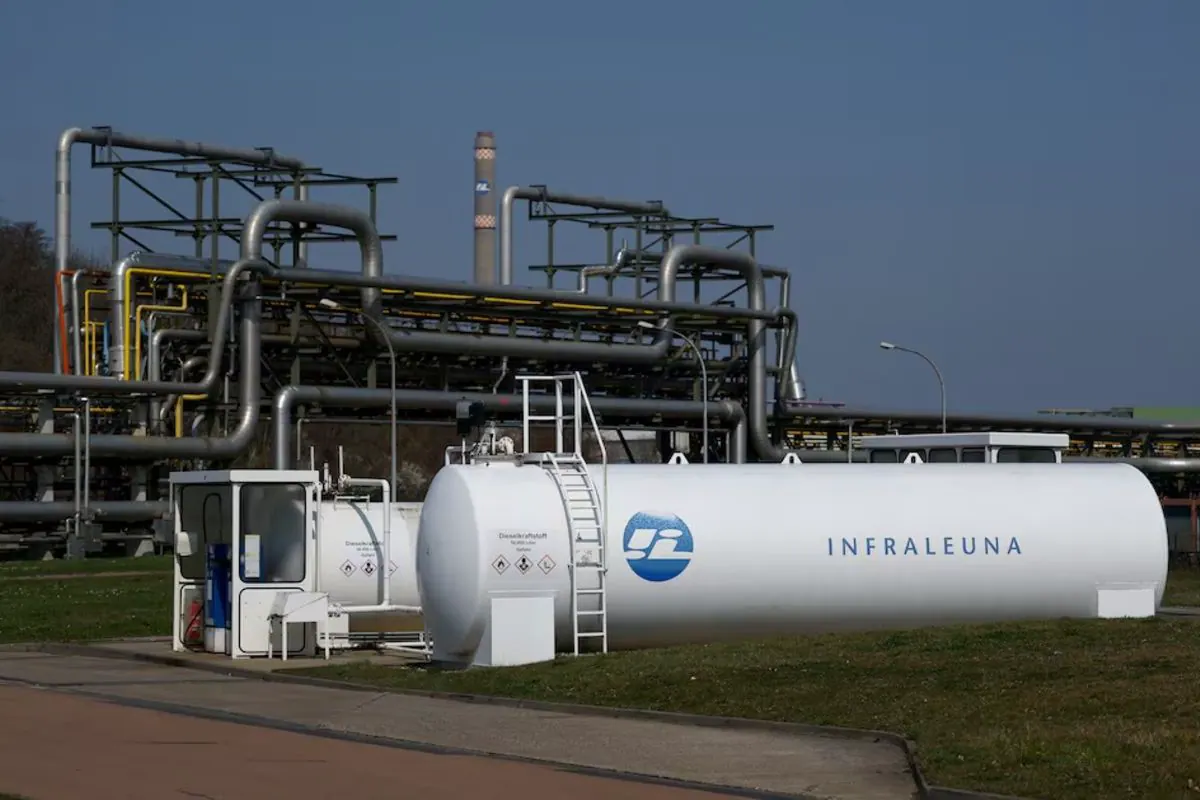
The US administration has urged Germany and France to release emergency diesel stocks to help alleviate soaring global fuel prices, or risk facing a potential US diesel export ban. According to sources close to the discussions, the Trump administration views this as a crucial step to bring down US fuel prices ahead of November's midterm elections. This development marks an escalation in pressure on Europe, amid strained relations between Washington and the EU due to tariff disputes and disagreements over military spending.
The European Union faces a dilemma in releasing more stocks, as it must balance the need to lower fuel prices at home with maintaining high stocks in case of a worsening fuel crisis. This could occur if US President Donald Trump and Iran do not reach a peace deal. An EU energy taskforce, comprising the European Commission and 27 EU member countries, is set to hold a call on Friday to discuss the situation. A Commission spokesperson confirmed the upcoming discussion.
The International Energy Agency, the West's energy watchdog, has not yet asked Germany to release stocks, according to Germany's economy ministry. It remains unclear when the IEA might meet next. The US administration has expressed frustration with France and Germany, which US officials believe have not fully followed through on earlier commitments to release emergency oil and petroleum product stocks.
A US official emphasized that it is in Europe's best interest to work with the United States to boost the supply of refined products and lower costs for consumers. The US has reportedly asked the EU to release 120 million barrels of diesel over the next six months. Europe has become increasingly dependent on US fuel after banning Russian imports due to Russia's invasion of Ukraine and disruptions to Middle Eastern supplies.
US Energy Secretary Chris Wright expressed confidence that Europe could ease fuel prices by drawing down emergency diesel inventories. He stated that now is the time for a coordinated release of diesel stores, particularly with the harvest season and winter heating oil season approaching. Wright hinted at positive news to come regarding the release of diesel stocks.
The global fuel market faces strain due to various factors, including Russia's extended ban on diesel exports until the end of October and disruptions to oil supplies from the Iran war. Chinese refiners have suspended October fuel exports to bolster domestic stocks, adding to the market pressure. US Treasury Secretary Scott Bessent emphasized that America has done its part in releasing 172 million barrels of US oil, as agreed upon by International Energy Agency members in March.
French President Emmanuel Macron and US President Donald Trump did not discuss the issue of diesel stock releases during their meeting at the UN General Assembly in New York last week. However, Macron is set to convene a video conference of G7 leaders to address rising fuel prices and the global availability of refined products, including the coordination of a release of reserves in conjunction with the International Energy Agency.
Key points
- The US has asked the EU to release 120 million barrels of diesel over the next six months.
- Europe faces a dilemma in releasing diesel stocks, balancing the need to lower fuel prices with maintaining high stocks in case of a worsening fuel crisis.
- The US administration has warned France and Germany that they may face a potential US diesel export ban if they do not release emergency diesel stocks.