The Pentagon has recently asked several NATO countries to be more measured in their public comments on Russia, according to a Reuters report citing four anonymous sources. The request comes as the US seeks to encourage European countries to take greater responsibility for their own defense. A European official summarized the US message as: "We're helping. The Americans are here. Just don't be loud. Don't make noise."
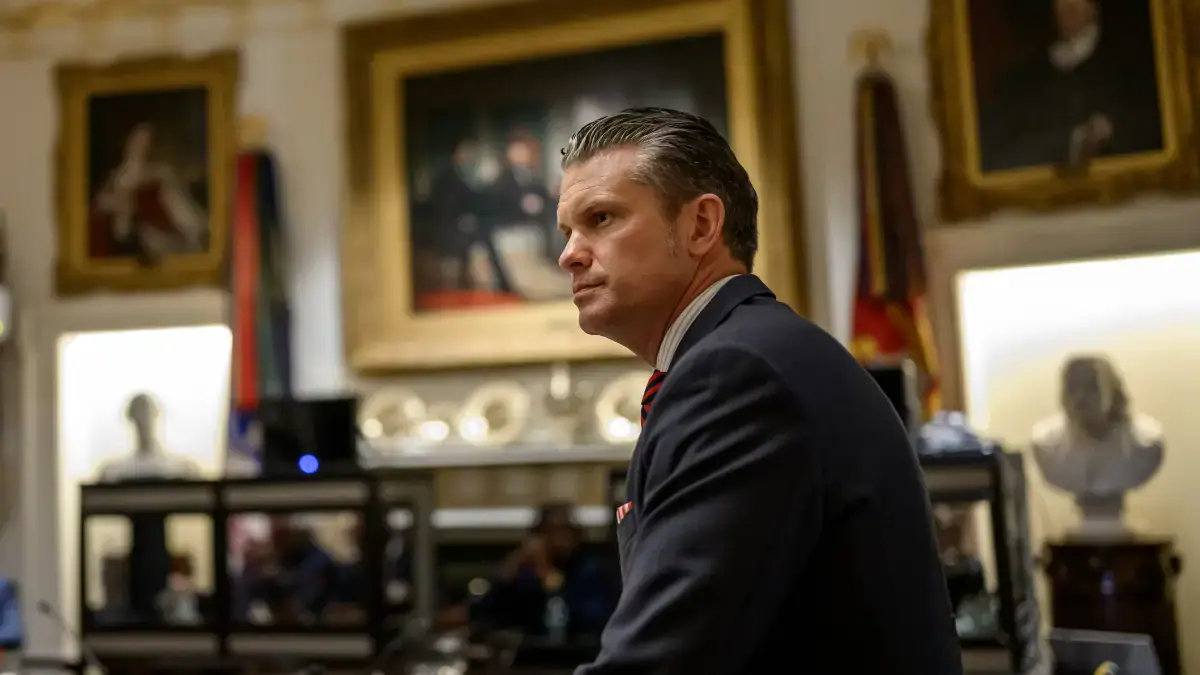
Elbridge Colby, the Pentagon's top policy official, reportedly cautioned against "provoking" Russia, citing as an example European comments that portray Russia as being "backed into a corner like a rat." The countries approached by the US include the Baltic states, with an Estonian delegation reportedly urged to be more restrained in their public comments. The Pentagon declined to comment on the report, saying that private conversations between allies remain private.
The US request comes amid a complex and evolving relationship between the US and Russia. Just two weeks ago, President Donald Trump signed a decree suspending a law that would have imposed significant tariffs on Russian goods. The law, known as the Graham Act, was passed by Congress in September and would have imposed duties of up to 500% on Russian products and up to 100% on the first five buyers of Russian oil and gas.
The suspension of the law was defended by Senator Marco Rubio, who argued that the sanctions were not solely aimed at Russia, but also affected other countries such as India. Rubio said that the president wanted to analyze the potential impact of the sanctions on the global economy and the US economy during a 60-day pause. Trump himself wrote on Truth Social that he wanted to avoid pushing Russia away from the negotiating table.
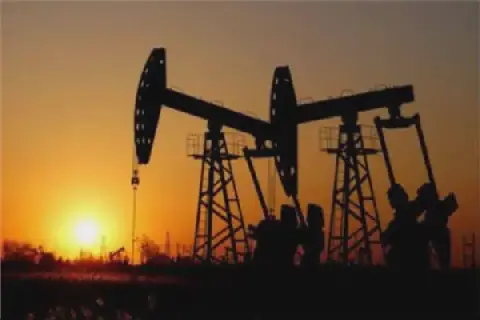
The US has also taken steps to mitigate the impact of sanctions on the global energy market. Since March, the US Treasury has issued temporary licenses for the purchase of Russian oil blocked in the sea due to disruptions in the Strait of Hormuz caused by the war in Iran. The Treasury has also extended until April 24, 2027, the authorization to operate Lukoil stations outside of Russia, with a ban on transferring funds to the country.
The US approach has been characterized as an effort to find a balance between maintaining pressure on Russia and avoiding actions that could be seen as provocative. Rubio summarized the US logic, saying that "this diesel will be sold one way or another." The US has made it clear that it will continue to work with its European allies to address concerns about Russian aggression.
The development highlights the ongoing debate within the US and Europe about the most effective approach to dealing with Russia. While some argue that a tough stance is necessary to counter Russian aggression, others believe that a more measured approach is needed to avoid escalating tensions. The US and its allies will likely continue to grapple with this question in the coming months.
Key points
- The US has asked NATO allies to be more measured in their public comments on Russia, citing concerns that harsh rhetoric could be counterproductive.