The National Emergency Management Agency (NEMA) has warned Nigerians to prepare for the potential effects of the developing El Niño phenomenon. Rising temperatures, changes in rainfall patterns, water shortages, drought, and flooding are expected in different parts of the country. El Niño is a natural climate phenomenon that occurs when sea surface temperatures in the central and eastern tropical Pacific Ocean become warmer than normal.
The Nigerian Meteorological Agency (NiMet) has confirmed the development of a strong El Niño event in 2026, warning that it could influence rainfall patterns and contribute to above-normal temperatures. NEMA has outlined eight measures Nigerians should adopt to reduce potential risks. These measures include drinking water regularly, avoiding direct sunlight during peak heat hours, and wearing lightweight clothing.
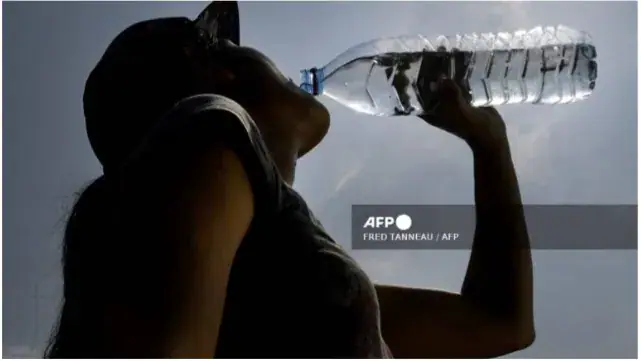
To stay safe during periods of extreme heat, NEMA advises Nigerians to drink clean water regularly, even when they do not feel thirsty. Carrying a bottle of water when traveling or working outdoors and avoiding waiting until one feels dehydrated before drinking is also recommended. Additionally, reducing outdoor activities between 11 am and 4 pm, when temperatures may be particularly high, can help prevent heat-related illnesses.
NEMA also emphasizes the importance of keeping the environment and water sources clean. Changes in weather conditions can create additional public health concerns. Clearing blocked drainage channels, avoiding stagnant water collection around homes, and storing drinking water in clean, covered containers can help reduce the risk of waterborne diseases.
Certain groups, including children, older adults, pregnant women, and people with certain health conditions, may be more vulnerable to extreme heat. NEMA encourages Nigerians to check on these individuals regularly, ensure they have access to clean drinking water, and help them stay in cool, well-ventilated spaces. Never leaving children or vulnerable individuals inside parked vehicles is also crucial.
NEMA has encouraged households to use water responsibly and prepare for possible shortages. Repairing leaking taps and pipes, avoiding unnecessary water consumption, and keeping stored water in clean, covered containers can help mitigate the effects of water scarcity. Households are also encouraged to plan their food needs, store essential supplies within their means, and avoid unnecessary waste.
Finally, NEMA advises Nigerians to follow official weather updates from the Nigerian Meteorological Agency and the National Emergency Management Agency for information about weather conditions and safety advisories in their area. Knowing the warning signs of heat-related illness, such as persistent headache, dizziness, and weakness, excessive sweating, nausea, and vomiting, can help prevent serious health issues.
Key points
- NEMA advises Nigerians to take precautions to protect themselves from potential effects of El Niño.
- Eight safety measures have been outlined by NEMA to reduce potential risks associated with El Niño.
- Certain groups, including children and older adults, may be more vulnerable to extreme heat.