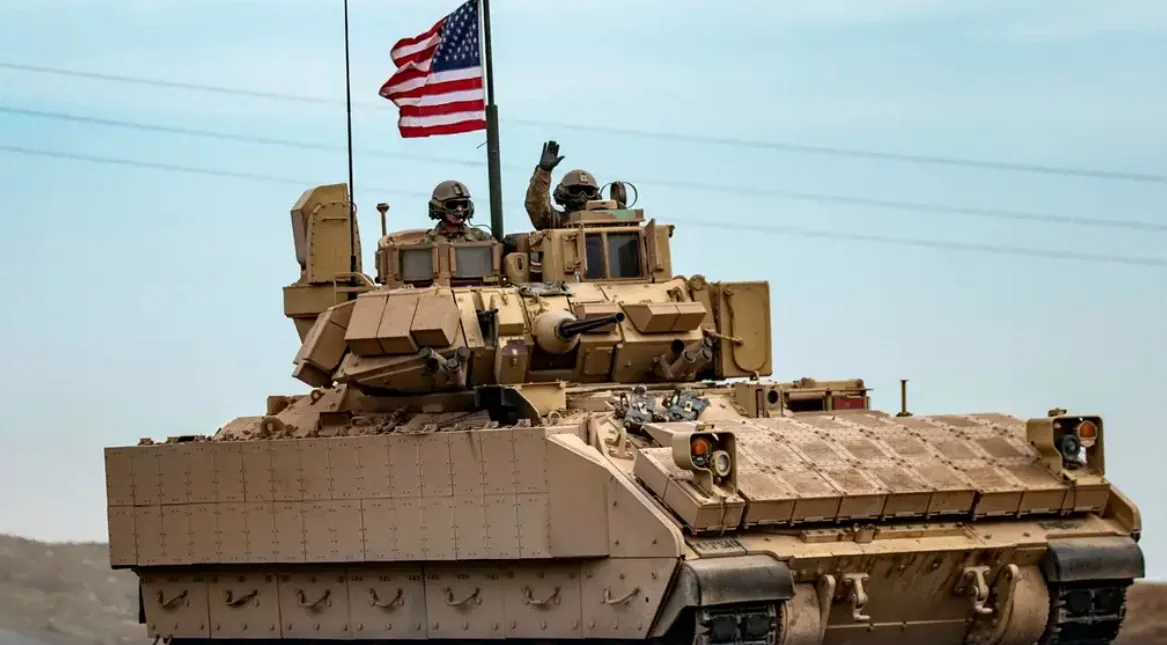
American troops are set to vacate their last bases in Iraq on Wednesday, formally ending the U.S.-led coalition’s combat mission against the Islamic State in the country. The Pentagon announced that Operation Inherent Resolve in Iraq has been formally concluded, in line with the September 2024 U.S.–Iraq joint statement and broader U.S. national interests. This marks a significant shift in the U.S. role in Iraq.
The withdrawal signals a shift from a wartime coalition to an Iraqi‑led security effort supported by a more routine bilateral relationship. Pentagon spokesperson Sean Parnell said the pullout marks the end of a 12‑year campaign that defeated IS as an organised military threat in Iraq and the wider region. The U.S. will continue to provide targeted training and intelligence support to Iraqi security partners.
Iraqi Prime Minister Ali al‑Zaidi declared October 1, the day after the coalition’s departure, as Sovereignty Day, a national occasion celebrating Iraq’s path toward full state authority. This move is seen as a step towards Iraq taking full control of its security. The U.S. presence in Iraq has been a contentious issue for years, with various groups having different views on the matter.
Iran and allied groups have welcomed the withdrawal, viewing it as a strategic victory for Tehran’s “axis of resistance” and a step toward a U.S.–free Middle East. Iranian officials have hailed the move as a significant achievement. The exit also raises security concerns, especially as Iran‑backed Shi’ite militias seek greater influence and the threat of an IS resurgence persists.
In Iraq’s semi‑autonomous Kurdistan region, residents and officials have expressed anxiety over the loss of U.S. protection, particularly against drone attacks targeting the area. The Kurdish regional government’s Peshmerga Ministry warned that the U.S. departure, without a defence system in place, is a matter of concern for regional security. This has sparked fears of an increased risk of attacks.
The U.S. pullout from Iraq has sparked mixed reactions, with some viewing it as a positive step towards Iraqi sovereignty and others expressing concerns over the potential security vacuum. The situation in Iraq remains fragile, with various groups vying for influence. The Iraqi government will need to navigate these complex dynamics to maintain stability.
The U.S. withdrawal from Iraq marks a significant milestone in the country’s history, with implications for regional security and stability. As Iraq moves forward, it will need to balance its relationships with various international partners while addressing internal security challenges. The road ahead will likely be complex and challenging for the Iraqi government.
Key points
- The U.S. will cease its on‑ground presence in Iraq but continue to provide targeted training and intelligence support to Iraqi security partners.
- Iranian officials have welcomed the U.S. withdrawal, viewing it as a strategic victory for Tehran’s “axis of resistance”.
- The U.S. departure has raised security concerns, particularly in Iraq’s semi‑autonomous Kurdistan region, where residents and officials fear an increased risk of attacks.