The United States has ended its military mission in Iraq after more than two decades, with the final troops withdrawing on Wednesday. The withdrawal was celebrated by Iran and its allies, while some Iraqis expressed concerns that the country's security forces may not be fully prepared to take over national security responsibility. The US-led invasion of Iraq in 2003 toppled Saddam Hussein but triggered years of instability.
The US troops, mainly stationed at an airbase in Erbil in Iraq's semi-autonomous Kurdish region, were withdrawn as part of an agreement made in 2024 under former US President Joe Biden. The pullout was carried out by President Donald Trump's administration as the US continues its engagement with Iran. More than 4,500 US troops died during the Iraq war, and over 200,000 Iraqi civilians were estimated to have been killed, according to the Iraq Body Count project.
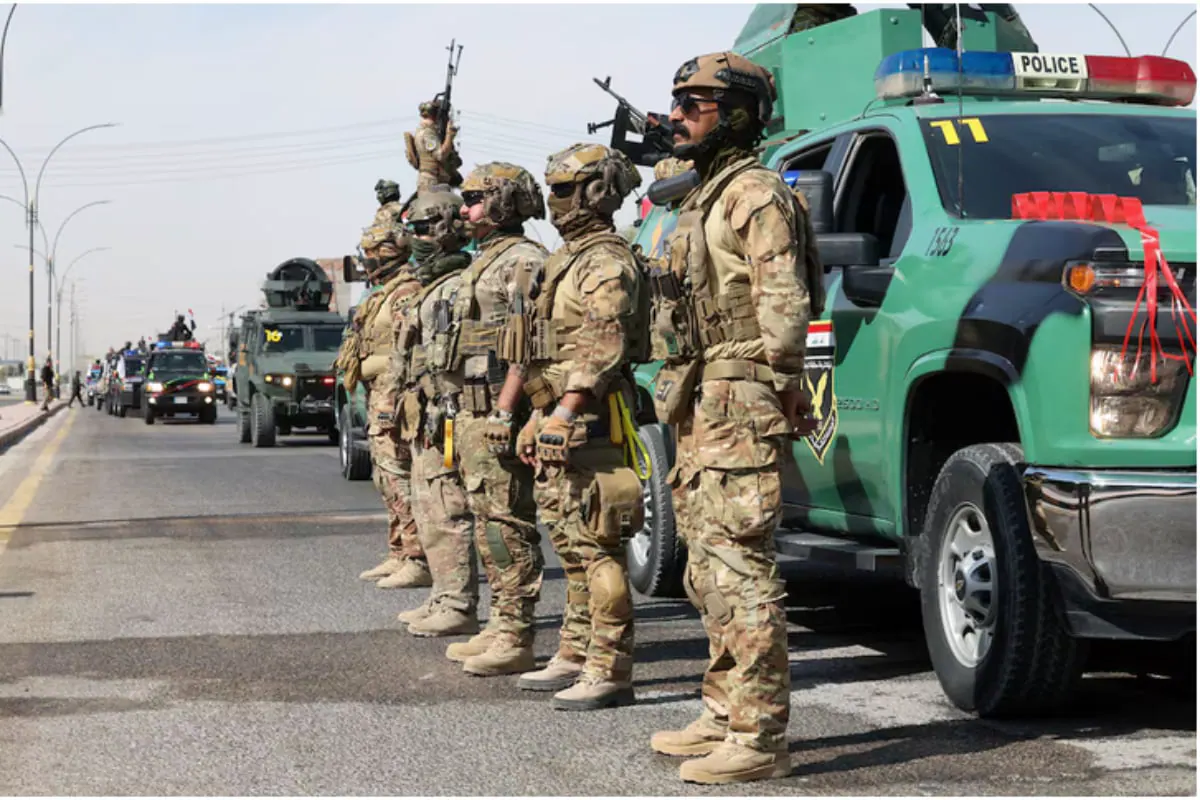
The Pentagon confirmed that the US and its coalition partners had formally concluded "Operation Inherent Resolve". However, Washington will continue providing targeted training and intelligence support to Iraqi partners. Iraqi forces are now expected to take the lead in securing the country and suppressing the remnants of Islamic State. Iraqi Prime Minister Ali Faleh al-Zaidi stated that the end of the international coalition's mission marked Iraq's transition to a phase where it assumes full responsibility for its security and stability.
Despite the withdrawal, concerns have been raised about potential security weaknesses. Iraqi analyst Jassim al-Bahadli, who advises the security forces, warned that security vacuums can be extremely dangerous. Adil Salman, a high school English teacher, expressed concerns that the US departure could lead to a new period of instability, citing the continued presence of militias outside state control and the survival of Islamic State networks.
Iran has welcomed the withdrawal, describing it as a victory for its network of allied armed groups across the region. Analysts have warned that Iranian-backed groups could become more influential in Iraq following the departure of US forces. Iraqi security officials have also expressed concerns that Islamic State could exploit the situation, as the group continues to maintain sleeper cells in the country.
US forces had provided Iraqi security forces with intelligence, aerial surveillance, and reconnaissance aimed at tracking Islamic State activity. Retired Iraqi Army General Mohammed al-Jubouri raised concerns about Iraq's preparedness for the post-coalition period, highlighting the potential threat of Islamic State obtaining armed drones or improvised explosive drones. The key question remains whether Iraq's security institutions have prepared adequately for the new phase.
The withdrawal of US troops has raised questions about the stability of the region in the coming years. While some have welcomed the move as a step towards Iraqi independence, others have expressed concerns about the potential for increased instability. As Iraq assumes full responsibility for its security and stability, the international community will be watching closely to see how the situation unfolds.
Key points
- The US military mission in Iraq has ended after more than two decades.
- The withdrawal has raised concerns about potential security weaknesses and the influence of Iranian-backed groups.
- Iraqi forces are now expected to take the lead in securing the country and suppressing the remnants of Islamic State.