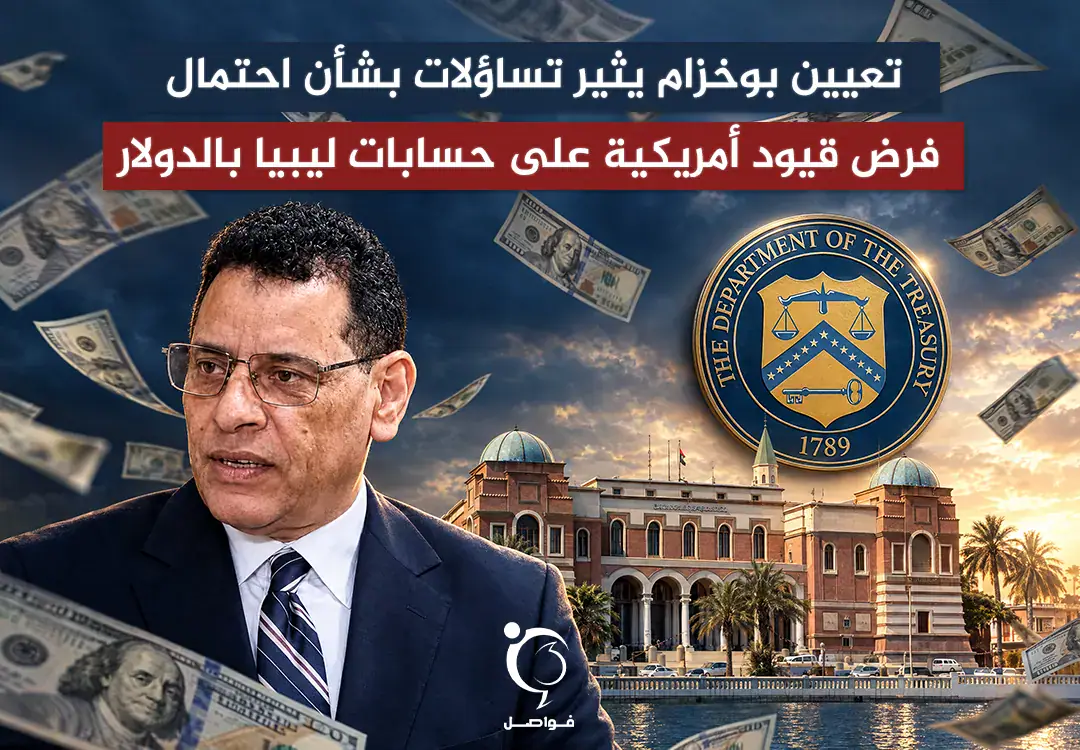
The US Treasury Department has suspended Libya's dollar transactions following the appointment of Fawzi Boukhamz as the new governor of the Central Bank of Libya. This move has raised questions about the potential restrictions on Libya's dollar accounts and the bank's ability to manage its foreign assets and conduct international transactions. The suspension means that some transactions, such as dollar transfers and payments, will be subject to additional approvals or may be delayed.
The Central Bank of Libya faced a similar situation in August 2024 when the Government of National Unity's Presidential Council appointed a new management team, which was not recognized by the House of Representatives. This led to some international banks reevaluating their relationships with the bank, and some institutions temporarily suspending their financial transactions. The US Treasury's decision may be related to concerns about the bank's governance and compliance with international financial regulations.
The appointment of Boukhamz as the new governor has sparked controversy, with some questioning the legitimacy of the process. The House of Representatives has defended the appointment, but the move has not been universally recognized. The Central Bank of Libya has significant foreign assets, and any restrictions on its dollar transactions could impact the country's ability to import essential goods and services.
The US Treasury's decision is not a freeze on Libya's assets, which would prevent the bank from accessing its funds or conducting transactions. However, it does raise concerns about the bank's ability to manage its foreign assets and conduct international transactions. The situation is being closely monitored by international financial institutions and Libyan authorities.
The suspension of dollar transactions has significant implications for Libya's economy, which is heavily reliant on imports. Any restrictions on the bank's ability to conduct international transactions could exacerbate existing economic challenges and impact the country's stability. The international community is closely watching the situation, and there are concerns about the potential consequences of the US Treasury's decision.
The situation highlights the complex interplay between international financial institutions, Libyan authorities, and global economic trends. The US Treasury's decision is not a unique event, as similar situations have occurred in the past. However, the current context is particularly challenging, given the ongoing economic and political challenges facing Libya.
The Libyan authorities and international financial institutions are working to resolve the situation and ensure that the country's financial systems continue to function smoothly. The US Treasury's decision will be closely monitored, and any further developments will have significant implications for Libya's economy and global financial markets.
Key points
- The US Treasury has suspended Libya's dollar transactions following the appointment of a new governor of the Central Bank of Libya.
- The suspension has raised questions about the potential restrictions on Libya's dollar accounts and the bank's ability to manage its foreign assets and conduct international transactions.
- The situation highlights the complex interplay between international financial institutions, Libyan authorities, and global economic trends.