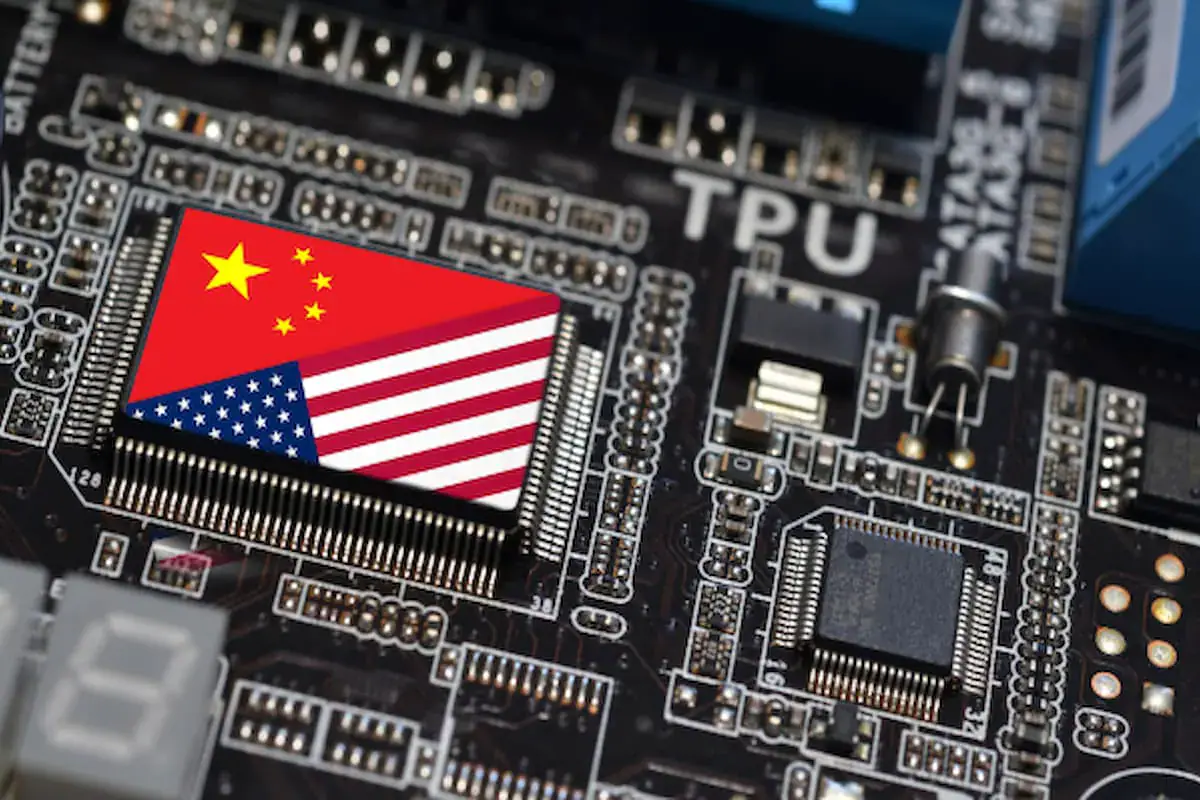
The US administration has strengthened restrictions on China's access to American artificial intelligence technologies. New rules impose additional controls on data centers in third countries to prevent Chinese companies from bypassing export bans by remotely renting computing capacities equipped with American chips. This move aims to close a loophole in the US export control system, specifically the remote access to chips installed in data centers outside China.
The new regulations, issued by the Bureau of Industry and Security (BIS) under the Commerce Department, require foreign data centers serving companies in sensitive countries, including China, Russia, Iran, and Cuba, to identify their end-users. The rules also introduce additional licensing requirements for chip exports to Indonesia, Malaysia, Singapore, Thailand, and Brazil, which Washington considers high-risk countries for technology diversion.
The measures specifically target cloud computing infrastructure and data centers in Southeast Asia, which can host American processors while providing computing capacities to Chinese clients. The US authorities aim to align remote access rules with those governing physical component shipments. This decision follows suspicions of chip diversion by Nvidia through Megaspeed International, a Singapore-based company under investigation for possible US export rule violations.
Singapore has confirmed investigating possible false declarations regarding servers exported to Malaysia. Malaysian authorities have also opened investigations to determine if imported chips were re-exported to unauthorized destinations. The crackdown comes as US President Donald Trump begins an Asian tour, including a meeting with Chinese President Xi Jinping, highlighting ongoing tensions between preserving a fragile trade truce and maintaining US technological advancement in artificial intelligence.
The issue has revealed divisions within the US administration, with Treasury Secretary Scott Bessent criticizing the Commerce Department for delaying restrictions on Megaspeed's activities. Several US lawmakers are calling for stricter controls on advanced chip exports, better monitoring of their foreign use, and enhanced coordination with US allies, such as the Netherlands and Japan.
The US aims to prevent its cutting-edge technologies from contributing to China's development of artificial intelligence capabilities. The control of semiconductors and computing power has become a key strategic competition area between the world's two largest economies. The new rules underscore the US determination to maintain its technological edge in artificial intelligence.
The restrictions reflect a broader concern about China's growing technological capabilities and their implications for global trade and security. The US and China have been engaged in a trade war, with both sides imposing tariffs on each other's goods. The semiconductor industry has become a critical component of this competition, with the US seeking to protect its technological advantages.
Key points
- The US has introduced new measures to prevent Chinese companies from accessing advanced American semiconductors.
- The rules target cloud computing infrastructure and data centers in Southeast Asia that provide computing capacities to Chinese clients.
- The move aims to close a loophole in the US export control system and maintain US technological advancement in artificial intelligence.
Reporting sources
- Washington veut empêcher Pékin d’accéder aux puces américaines via des pays tiers · L'Économiste maghrébin