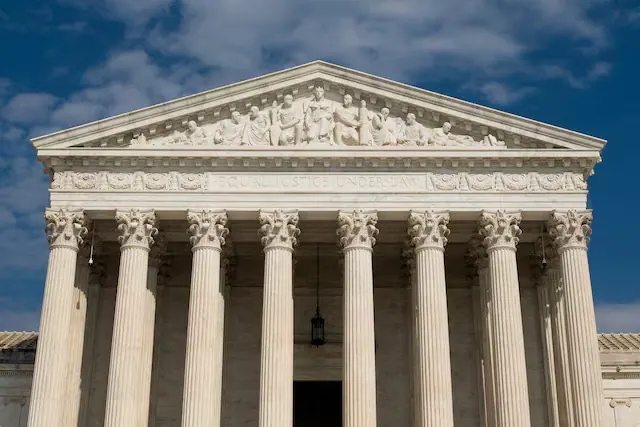
The United States Supreme Court has granted the US Justice Department's emergency request to suspend a ruling that blocked the Department of Homeland Security's third-country deportation policy. This policy allows migrants to be deported to countries other than their own without first being given an opportunity to raise concerns about possible persecution or torture. The court's decision enables the Trump administration to continue using third-country deportations as part of its broader immigration crackdown.
The Supreme Court's decision was issued by a six-member conservative majority, with the court's three liberal justices dissenting. The court also agreed to hear arguments in the case in December, with a final ruling on the legality of the policy expected later. This development comes after a class-action lawsuit was filed by immigrant rights groups on behalf of migrants challenging the government's practice of sending them to third countries without adequate notice and an opportunity to demonstrate the risks they could face.
According to human rights groups, more than 25,000 migrants have been deported to 29 countries under the policy introduced last year. The majority of these migrants were sent to Mexico, while others were deported to countries including South Sudan, Uganda, Equatorial Guinea, Liberia, and the Central African Republic. Notably, the US State Department advises Americans against traveling to South Sudan due to risks including crime, kidnapping, and armed conflict.
The Department of Homeland Security's General Counsel, James Percival, welcomed the Supreme Court's decision, describing it as a bad day for criminal illegals and open-borders activists alike. In contrast, Trina Realmuto, a lawyer representing the plaintiffs at the National Immigration Litigation Alliance, criticized the decision, stating that it allows the administration to resume sending people to third countries where they face persecution or torture.
The court's decision is a result of a long-standing legal battle that began in 2025 when the Department of Homeland Security expanded efforts to deport migrants who could not be returned to countries named in their deportation orders. Under the policy, migrants may be swiftly deported to third countries that have provided credible diplomatic assurances that they will not be persecuted or tortured. US District Judge Brian Murphy had previously ruled that the policy violated immigration law procedures and due process protections under the Fifth Amendment.
In February, Murphy ruled that the policy was unlawful, prompting the Supreme Court to intervene and suspend an earlier order that temporarily halted the third-country deportations. The court also lifted restrictions imposed by the judge to protect a group of migrants from being deported to South Sudan. The Supreme Court's decision to hear arguments in the case in December will determine the policy's legality.
The policy's impact on migrants and human rights groups has been significant, with many expressing concerns about the risks faced by those deported to third countries. The Supreme Court's decision will have far-reaching implications for the Trump administration's immigration policies and the rights of migrants.
Key points
- The US Supreme Court has allowed the Trump administration to resume deporting migrants to third countries without a hearing.
- Over 25,000 migrants have been deported to 29 countries under the policy introduced last year.
- The Supreme Court will hear arguments on the policy's legality in December.