A recent article by American-Israeli analyst Jose L. Alvarez suggests that the US should reassess its Libya policy and consider including the country's eastern region, known as Barqa, in the Abraham Accords. Alvarez argues that Washington's current approach, focused on Tripoli, overlooks the significant influence of eastern authorities, led by Khalifa Haftar, in the region. He highlights the historical significance of Barqa in US-Libya relations, dating back to the 1805 Battle of Derna.
Alvarez points to the growing economic and military capabilities of the eastern region, including oil production, ports in Benghazi, and air infrastructure. He believes that these factors grant the eastern administration significant regional weight, beyond international recognition. The analyst also links this to the competition for influence in the Eastern Mediterranean, suggesting that cooperation between Barqa, Israel, and the US could counterbalance Turkish and Russian presence in Libya.
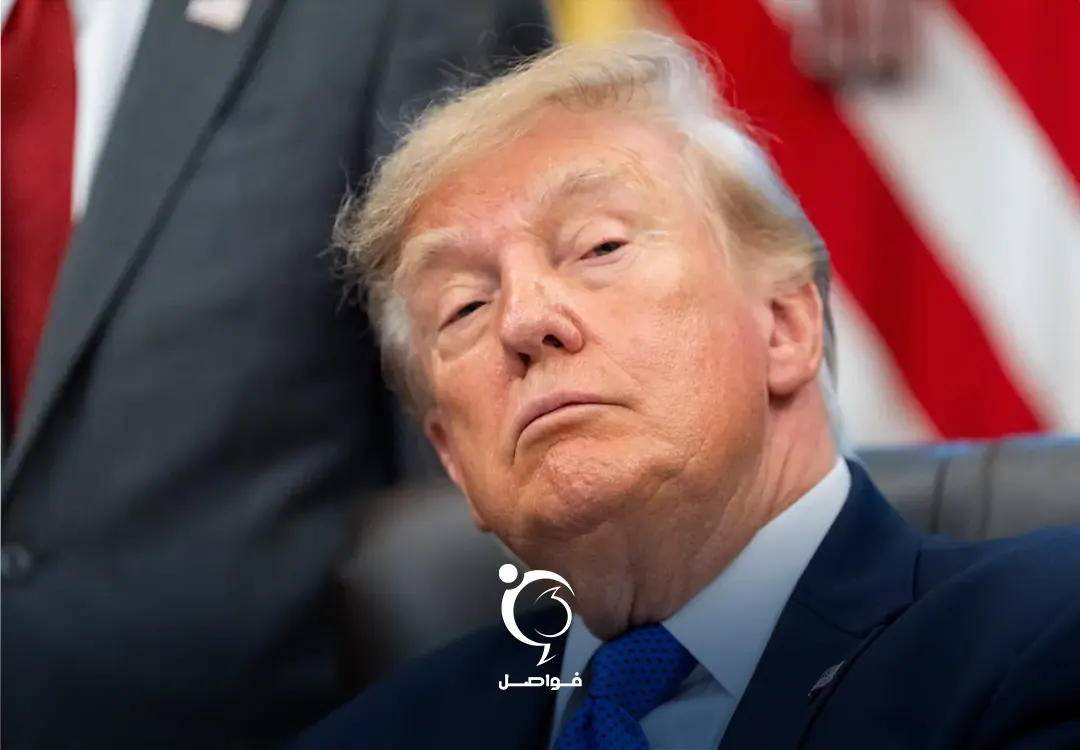
The article proposes that the US administration of President Donald Trump consider integrating Barqa into the Abraham Accords through naval, security, and economic cooperation. This could include protecting navigation, intelligence sharing, and enhancing oil facility security, in exchange for expanded US presence in eastern Libya. Alvarez's perspective is informed by his background as a US-Israeli security researcher and former military officer.
The Abraham Accords, brokered by the US in 2020, are a series of peace agreements and diplomatic normalizations between Israel and several Arab countries, including the UAE, Bahrain, and Morocco. Alvarez's article presents a vision that diverges from traditional US policy towards Libya, placing Barqa at the center of the country's security, energy, and influence dynamics in the Eastern Mediterranean.
Alvarez's proposal seeks to account for the current balance of power in Libya, suggesting that Washington should adapt its policy to engage with the eastern region as a key player. This approach aims to update US strategy in response to shifting realities on the ground. The analyst's argument is based on his expertise in international security and his studies on global intelligence and security.
The article's suggestions have implications for US policy in the region, potentially leading to a more nuanced approach to Libya that acknowledges the influence of eastern authorities. By considering Barqa's growing capabilities and strategic location, Washington may reassess its priorities in the country and explore new avenues for cooperation.
The development highlights the complexities of Libya's ongoing political and security situation, with multiple stakeholders vying for influence. As the country continues to navigate its challenges, analysts and policymakers will be closely watching the US response and its potential impact on the region.
Key points
- The US should consider integrating Libya's eastern region into the Abraham Accords to counterbalance Turkish and Russian influence.
- The eastern region's growing economic and military capabilities make it a significant player in Libya's security and energy dynamics.
- The US should adapt its Libya policy to engage with the eastern region as a key player, rather than focusing solely on Tripoli.