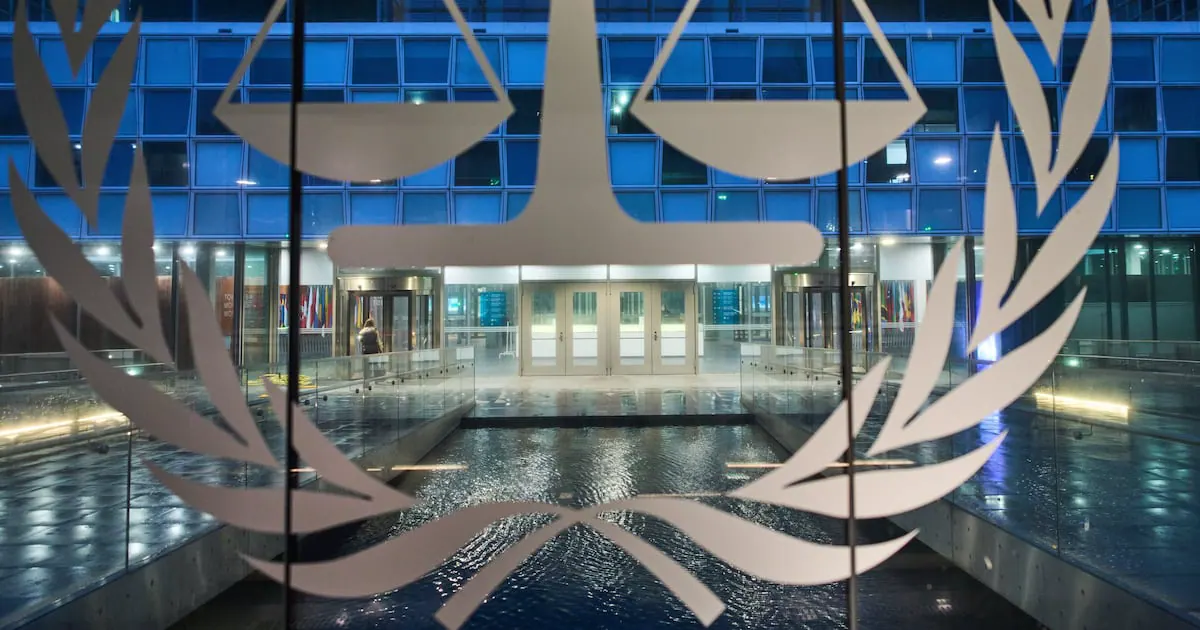
The United States is preparing to impose sanctions on the International Criminal Court, a move that could undermine the global institution's ability to prosecute war crimes. The Trump administration has been pushing back against the ICC, citing concerns over its arrest warrants for Israeli officials, including Prime Minister Benjamin Netanyahu, and a past investigation into the role of US forces in Afghanistan. The ICC, launched in 2002, has 125 member states and is tasked with prosecuting individuals accused of heinous crimes.
The US has described the ICC as a threat to its sovereignty and that of its allies, with Secretary of State Mike Pompeo announcing a campaign in July to isolate the court. The US government has asked member states to withdraw support for the ICC, and has imposed sanctions on individual judges and prosecutors. The latest move to impose entity-wide sanctions could have far-reaching consequences, affecting the court's access to the dollar-based financial system and restricting travel for court staff.
The sanctions, expected to be announced soon, could prohibit US citizens and companies from providing funds, goods, or services to the ICC without a licence from the US treasury's Office of Foreign Assets Control. This could impact the court's daily operations, from blocking personal credit cards and travel visas to forcing the cancellation of contracts with companies providing data storage and email services.
The impact of US sanctions on the ICC could extend beyond the court itself, having a chilling effect on non-US organisations and individuals that work with the ICC. Banks, companies, and contractors may seek to avoid risks by distancing themselves from the court, making it difficult for the ICC to continue its work. The US has significant clout in international finance, given the dollar's role in global trade, allowing it to choke access to regular payments and banking.
Despite the challenges, the ICC is exploring ways to continue functioning. ICC President Judge Tomoko Akane has urged the EU to invoke a blocking statute, a law that would prevent European companies from complying with US sanctions deemed unlawful. However, it is unclear whether there is enough support for the court in Brussels to take this step.
The US action against the ICC is unprecedented, as it targets an entire international institution rather than individual actors. Previous sanctions have targeted rogue actors, alleged terrorists, narcotics traffickers, and warlords. The move has raised concerns about the potential erosion of international cooperation and the ability of the ICC to hold individuals accountable for war crimes.
The ICC has faced challenges before, but the US sanctions threat poses a significant risk to its operations. With roughly 900 employees from 100 countries, the court's work is crucial in promoting accountability for international crimes. As the situation unfolds, the international community will be watching closely to see how the ICC responds to the US sanctions threat and what implications this may have for global justice.
Key points
- The US sanctions could undermine the ICC's ability to prosecute war crimes and crimes against humanity.
- The move has raised concerns about the potential erosion of international cooperation and the ability of the ICC to hold individuals accountable.
- The ICC is exploring ways to continue functioning, including seeking support from the EU.