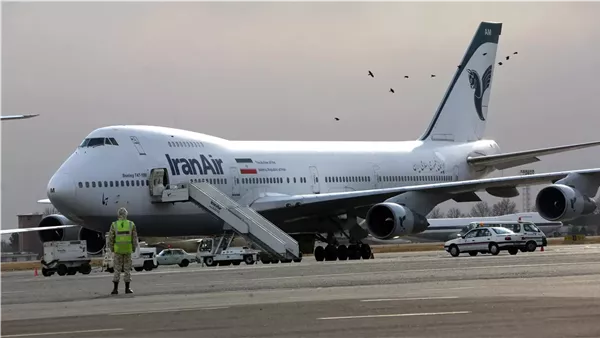
A new set of stringent US sanctions on Iran's aviation sector came into effect on Wednesday, September 23, 2026. The sanctions, announced by US Treasury Secretary Scott Bissett on Monday, aim to further pressure Iran's economy. The US has pledged to halt all Iranian airlines' operations and penalize any entity that engages with them. This move is part of the US efforts to increase economic pressure on Iran amid the military conflict.
The Iranian Civil Aviation Organization reported that Baghdad and Muscat airports would no longer accept Iranian flights as of midnight. However, international flights, including those to Istanbul, remain scheduled and have not encountered difficulties so far. Negotiations are underway to redirect flights to Najaf airport, according to the organization. Similar talks are being held with Oman.
The US sanctions have significant implications for Iranian airlines, which primarily transport Iranian pilgrims to Iraq's holy Shia shrines and Iraqi passengers in the opposite direction. Iraq is a crucial destination for Iranian airlines. The Iraqi government has not officially announced its procedures in response to the US sanctions, but sources, including a high-ranking government official, confirm that Baghdad will comply with the US restrictions.
In response to the sanctions, Iraqi travel agencies are exploring alternatives, such as organizing land trips to compensate for the loss of air travel. This comes as Iraqi airlines have not operated flights to Iran since the conflict in the Middle East began in late February. The sanctions have disrupted the operations of Iranian airlines, which have been a vital transportation link between the two countries.
The US Treasury Secretary emphasized that the sanctions aim to limit Iran's ability to access the global aviation market. The move is part of a broader effort to pressure Iran's government to change its behavior. The impact of the sanctions on Iran's economy and its people's ability to travel remains to be seen.
Iranian airlines have been subject to various restrictions and sanctions in recent years. The US has imposed sanctions on Iran's aviation sector, citing concerns over the country's ballistic missile program and support for terrorism. The latest sanctions have further restricted the operations of Iranian airlines and increased the pressure on Iran's economy.
The effects of the US sanctions on Iran's aviation sector are expected to be significant, with potential implications for the country's economy and its people's ability to travel. The international community will be watching closely to see how the situation unfolds and how Iran responds to the increased pressure.
Key points
- US sanctions on Iran's aviation sector have taken effect, targeting Iranian airlines and any entity that deals with them.
- The sanctions aim to further pressure Iran's economy and limit its access to the global aviation market.
- Iraqi airlines have not operated flights to Iran since the conflict in the Middle East began, and Baghdad is expected to comply with the US restrictions.