Nigeria and Russia have initiated discussions on deepening their cooperation in the fight against corruption. The talks followed the 4th Anti-Corruption Academy of Nigeria International Diplomatic Dialogue held in Abuja. The dialogue, organized by the research and training arm of the Independent Corrupt Practices and Other Related Offences Commission, examined Russia's experience in developing anti-corruption strategies and policies.
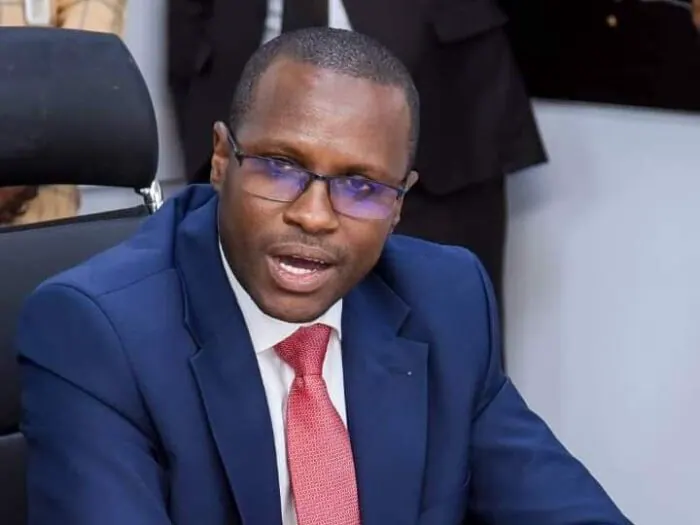
ICPC Chairman, Dr Musa Aliyu, emphasized the value of learning from international experiences to strengthen Nigeria's anti-corruption framework. He noted that knowledge exchanged through diplomatic dialogues should translate into practical measures to strengthen institutions, public trust, transparency, and accountability. Aliyu highlighted the importance of adapting approaches to anti-corruption legislation, institutional reforms, and enforcement mechanisms to Nigeria's circumstances.
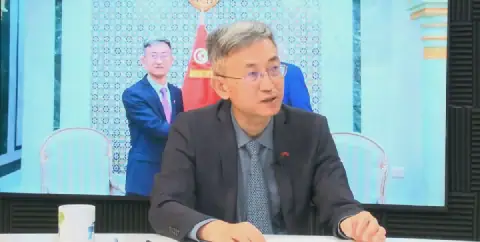
The Chargé d’Affaires of the Russian Embassy in Nigeria, Igor Ivannikov, presented Russia's anti-corruption framework, which has evolved through successive legal and institutional reforms. He explained that Russia's approach combines prosecution of corruption offences with measures to prevent corruption and address its underlying causes. Ivannikov mentioned that digitalisation and risk-based controls could contribute significantly to preventing corruption.
Ivannikov proposed closer professional cooperation between Nigerian and Russian authorities in areas including financial investigations, illicit-fund tracing, asset recovery, and public procurement risk assessment. He noted that Nigeria and Russia already have a legal basis for such cooperation, having signed a Treaty on Mutual Legal Assistance in Criminal Matters in 2018. This framework could support greater interaction between relevant institutions in both countries.
The ICPC chairman described Russia as a longstanding friend of Nigeria, with bilateral relations developed across several sectors. Previous Nigeria-Russia agreements covered areas including air communication, economic, scientific, and technical cooperation, and trade. The dialogue was the fourth in a series organized by ACAN to expose Nigerian anti-corruption practitioners to experiences from other countries.
The engagement comes as Nigeria continues to seek stronger international cooperation in tracing and recovering proceeds of corruption, particularly where illicit assets or financial transactions cross national borders. Both sides are expected to explore further professional and institutional exchanges as part of efforts to strengthen their respective anti-corruption systems.
The Provost of ACAN, Prof. Sheriff Ibrahim, provided historical and institutional perspectives on Russia's anti-corruption framework and its evolution over time. The initiative reflected the commission's commitment to international cooperation and evidence-based approaches to corruption prevention.
Key points
- Nigeria and Russia explore knowledge-sharing and asset recovery in anti-corruption cooperation.
- Russia's anti-corruption framework combines prosecution with preventive measures.
- Nigeria seeks stronger international cooperation in tracing and recovering proceeds of corruption.