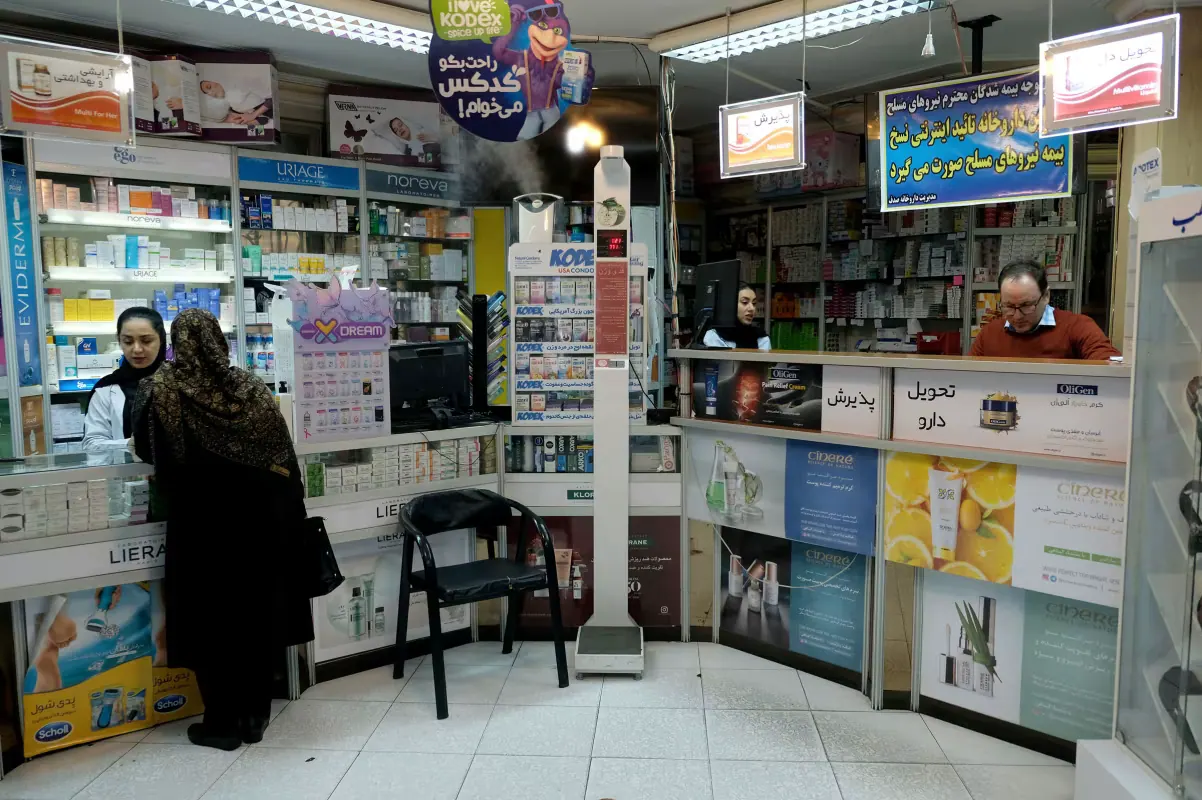
The economic strain caused by US sanctions has led to a severe shortage of essential medications in Iran, affecting people with chronic conditions and serious illnesses. Many, like 35-year-old Sima, are struggling to find the medication they need to survive. Sima's kidney medication has increased in price, forcing her to underdose the lifesaving medication. This situation is not unique to Sima, as many Iranians are facing similar challenges in accessing affordable medication.
The shortages and price hikes have resulted in many Iranians being forced to cut doses, postpone doctor visits, or self-medicate. Some have even resorted to selling their belongings to buy overpriced medication. A mother in Tehran lost her only daughter due to the lack of access to effective medication. The Iranian government has failed to procure seasonal flu vaccinations from Europe this year, further exacerbating the situation.
Pharmacies in Iran have confirmed shortages and price increases across several categories of medication, including heart medication, cholesterol-lowering pills, and migraine drugs. The head of the Iranian Pharmacists Association, Shahram Kalantari, reported that almost 800 medications are affected by the shortages. The rising costs have made it difficult for pharmacies to procure alternatives, leaving patients with limited options.
Despite Iran manufacturing over 97% of its medicines by volume, the country still relies on imported specialty drugs that must be paid for in foreign currency. The US sanctions have impeded Iran's exports of oil, the main source of foreign currency, making it challenging for the country to import essential medications. This has had a devastating impact on patients who rely on these medications to survive.
The Iranian government's inability to sell oil and obtain foreign currency has also led to a collapse in insurance payments to pharmacies. With millions of Iranians covered by insurance, patients are often required to pay out-of-pocket for medication. The debt owed to pharmacies by insurance companies has reached almost 800 trillion rials ($300 million), leaving many pharmacies struggling to stay afloat.
The US sanctions have also had a destructive impact on Iran's pharmaceutical industry. Airstrikes on pharmaceutical companies, equipment suppliers, and distributors have damaged critical infrastructure. The Israeli military's strike on the factory of a major Iranian pharmaceutical company, Tofigh Daru, has disrupted the production of active ingredients for anticancer drugs and anesthetics.
The US Treasury has announced plans to clamp down on Iran's network built to evade sanctions, adding pressure on the country amid a lack of diplomatic resolution. While the US has permitted transactions involving food, medicine, and medical devices to Iran, the laborious bureaucratic process has discouraged international firms from doing business with Iran. Experts say the sanctions have obstructed financing and international payments, reducing the willingness of foreign banks and suppliers to engage with Iran.
Key points
- Almost 800 medications are affected by the shortages in Iran.
- The US sanctions have impeded Iran's exports of oil, making it challenging for the country to import essential medications.
- The Iranian government's inability to sell oil and obtain foreign currency has led to a collapse in insurance payments to pharmacies.