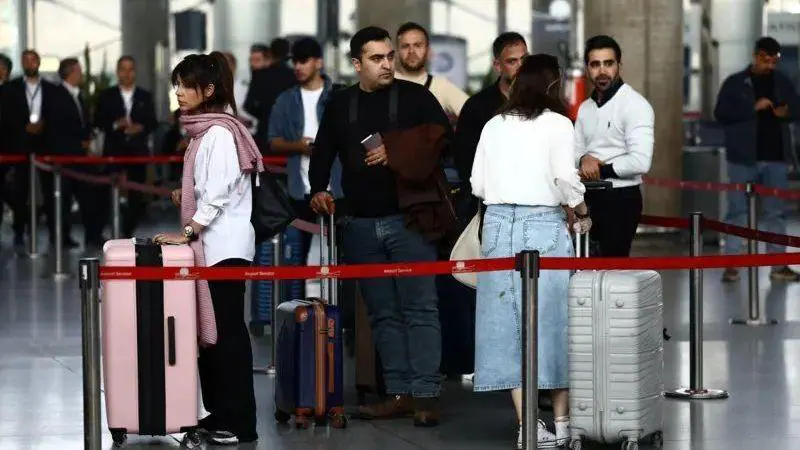
The US Treasury Department recently imposed sanctions on 27 Iranian airlines and nine individuals and companies associated with Iran's aviation sector. This move is part of the US campaign to economically isolate Iran. The sanctions target all remaining active Iranian airlines, including "Aseman", "ATA", "Iran Airtour", and "Kish Air". Several Iranian airlines were already under US sanctions.
The new sanctions expand the scope of existing restrictions, which will make it more challenging for foreign airlines to operate flights to Iran. The US Treasury Department also suspended several licenses related to certain flights and aviation services connected to Iran. Financial institutions were warned about networks involved in purchasing aircraft and spare parts for Iran. Turkish Airlines, which had previously suspended its flights to Iran due to the war, announced that the suspension would remain in effect until March 1, 2027.
The announcement of new sanctions raises questions about their practical impact, given the extensive sanctions already in place. The restrictions may not make a significant difference, but they can still create uncertainty for foreign airlines considering flights to Iran. The sanctions also target foreign companies that have assisted Iranian airlines, including Turkish and UAE-based firms. The UK has also imposed new sanctions on Iran, including a ban on Iranian cargo planes landing in the UK.
The current suspension of foreign flights to Iran began before the new sanctions were imposed. The war and security concerns led airlines such as Turkish Airlines, Emirates, and Qatar Airways to suspend their flights. The new sanctions may become a decisive factor in the next stage, as airlines assess the risks and regulatory compliance. Even if tensions ease, airlines will need to ensure that their aircraft, payment channels, insurance contracts, and airport services comply with US regulations.
The US Treasury Department's Office of Foreign Assets Control (OFAC) suspended several licenses, including the "General License J-1", which allowed non-US airlines to operate US-regulated aircraft to Iran for short periods. The suspension means that airlines will need to evaluate the status of their aircraft, payment channels, and contracting parties. They may require a special license from US authorities to continue operations.
The changes to US regulations affect not only US-made aircraft but also foreign-made planes that contain US components or technology. This means that even non-US airlines may need to comply with US regulations if their aircraft contain US-origin parts. The new sanctions and license suspensions will require foreign airlines to reassess their operations to Iran and may lead to further restrictions on flights.
The US sanctions and license suspensions are designed to restrict Iran's access to the global aviation market. The impact on foreign flights to Iran will depend on the response of airlines and the effectiveness of the US measures. The situation remains uncertain, and airlines will need to carefully evaluate the risks and regulatory requirements before resuming flights to Iran.
Key points
- The US sanctions target all remaining active Iranian airlines.
- The sanctions also target foreign companies that have assisted Iranian airlines.
- The restrictions may make it more challenging for foreign airlines to operate flights to Iran.