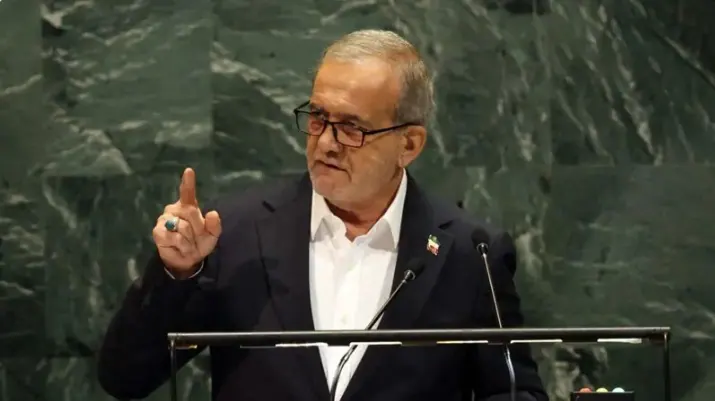
The United States has refused to grant visas to several members of Iranian President Masoud Pezeshkian's high-level delegation and media team, who were set to attend the United Nations General Assembly meetings in New York. This move has been met with criticism from Iranian officials, who view it as an attempt to limit Tehran's media coverage during the assembly. The Iranian president is scheduled to deliver a speech and engage in meetings with world leaders on the sidelines of the event.
According to Abbas Rashidi, a member of the Iranian Parliament's leadership, the US decision aims to "reduce the space for Iranian media coverage" during the General Assembly. Rashidi emphasized that President Pezeshkian's presence in New York provides an opportunity for Iran to present its stance and engage with regional and global leaders. He also stated that despite the visa denials, Iran will continue to report on the events in New York, describing them as "facts and news."
The Iranian Foreign Ministry has announced that the issue will be raised during the UN meetings. The US move has been seen as part of a broader "media boycott" against Iran, alongside economic and military sanctions imposed on the country. Iranian officials believe that Washington is trying to limit Tehran's media presence at the assembly. Meanwhile, Iranian Foreign Minister Abbas Araghchi has traveled to New York to attend the General Assembly meetings, with a brief stop in Qatar.
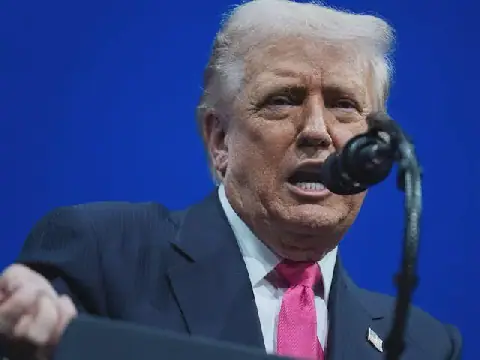
President Pezeshkian is set to travel to the US on Tuesday to participate in the General Assembly, where he will deliver a speech and meet with several world leaders. The US decision on visas comes amid heightened tensions between Washington and Tehran, as well as signals of a potential return to diplomatic negotiations. US President Donald Trump has expressed openness to meeting with President Pezeshkian during his visit to New York.
The US Ambassador to the UN, Michael Waltz, stated on Monday that the "door is open" for Iran to return to the negotiating table. However, Trump also indicated that his administration is considering several options regarding Iran, including economic pressure, military action, or a new agreement. The US has not yet finalized its approach in the next phase of the conflict.
Iranian officials have reiterated that Tehran will only return to negotiations if its seven conditions are met. Iranian Parliament Speaker Mohammad Bagher Ghalibaf emphasized that his country will not allow the Strait of Hormuz to be reopened before its demands are addressed. This stance suggests that a key point of contention in the conflict remains unresolved.
The tensions between the US and Iran continue to escalate, with both sides maintaining firm positions. The Iranian delegation's participation in the UN General Assembly will be closely watched, as it may provide insight into potential future developments in the relationship between the two nations. The international community remains attentive to any signs of progress or further escalation in this critical geopolitical situation.
Key points
- The US has denied visas to several members of Iranian President Masoud Pezeshkian's delegation.
- Iranian officials view the US decision as an attempt to limit Tehran's media coverage during the UN General Assembly.
- The tensions between the US and Iran continue to escalate, with both sides maintaining firm positions.