The United States has unveiled a proposal to impose new tariffs on 14 economies, including China, the European Union, and India, following an investigation into excess production capacity. The tariffs, which could reach up to 20%, are aimed at addressing concerns that these economies are encouraging production and capacity without regard for market principles or demand. The proposal is subject to a public comment period before it can take effect.
The proposed tariffs target some of the US's largest trading partners, including China, the EU, and India. China would face tariffs of up to 20%, while the EU, Korea, and Taiwan would face tariffs of up to 15%. The tariffs are part of the US's efforts to renegotiate trade relationships and address what it sees as unfair trade practices. The US Trade Representative, Jameson Grier, said that the tariffs are part of a broader effort to address excess production capacity and that China is aware that the US will impose some level of tariffs.
The European Union has expressed strong opposition to the proposed tariffs, saying that it expects the US to abide by the agreement reached between Brussels and Washington last year. The EU's spokesperson, Olov Gill, said that the EU rejects the notion that it is a source of structural excess capacity and that it is instead one of the most affected parties by this excess. He also expressed disappointment at the lack of joint action between Brussels and Washington on this issue.
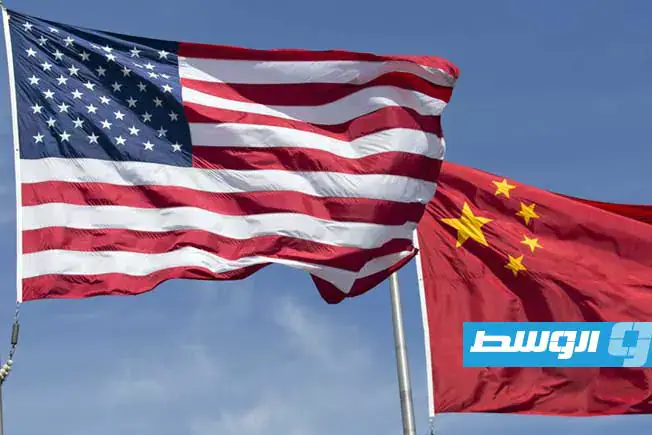
The proposed tariffs have sparked concerns about a potential trade war, with China warning the US against imposing new tariffs. The US and China have been engaged in ongoing trade tensions, with the US imposing tariffs on Chinese goods and China responding with tariffs of its own. The situation has raised concerns about the impact on the global economy and the potential for a broader trade conflict.
The tariffs are also seen as a way for the US to pressure its trading partners to address issues related to excess production capacity. The US has been concerned about the impact of excess capacity on US industries, particularly in sectors such as steel and aluminum. The tariffs are part of a broader effort by the US to address these issues and to promote fair trade practices.
The proposed tariffs have also raised concerns about the potential impact on inflation. The US Federal Reserve has been monitoring the situation closely, and some policymakers have expressed concerns that the tariffs could lead to higher prices. The US has already seen an increase in inflation, with the Fed's preferred inflation gauge reaching its highest level in three years in October.
The tariffs are expected to take effect in January, although the exact timing is still uncertain. The US Trade Representative's office will review comments from the public before making a final decision. The situation remains uncertain, with many stakeholders closely watching the developments and their potential impact on the global economy.
Key points
- The US has proposed new tariffs on 14 economies, including China, the EU, and India, citing concerns over excess production capacity.
- The proposed tariffs have sparked concerns about a potential trade war and the impact on inflation.
- The tariffs are part of the US's efforts to renegotiate trade relationships and address what it sees as unfair trade practices.