The United States is set to implement a ban on Chinese telecom firms from directly accessing US phone numbers, citing national security concerns. This move aims to prevent scam-related robocalls and is part of a broader effort to strengthen the country's defenses against malicious actors. The ban, which is scheduled to be voted on by the US Federal Communications Commission (FCC) on November 19, targets major Chinese telecom companies, including China Mobile, China Telecom, and China Unicom.
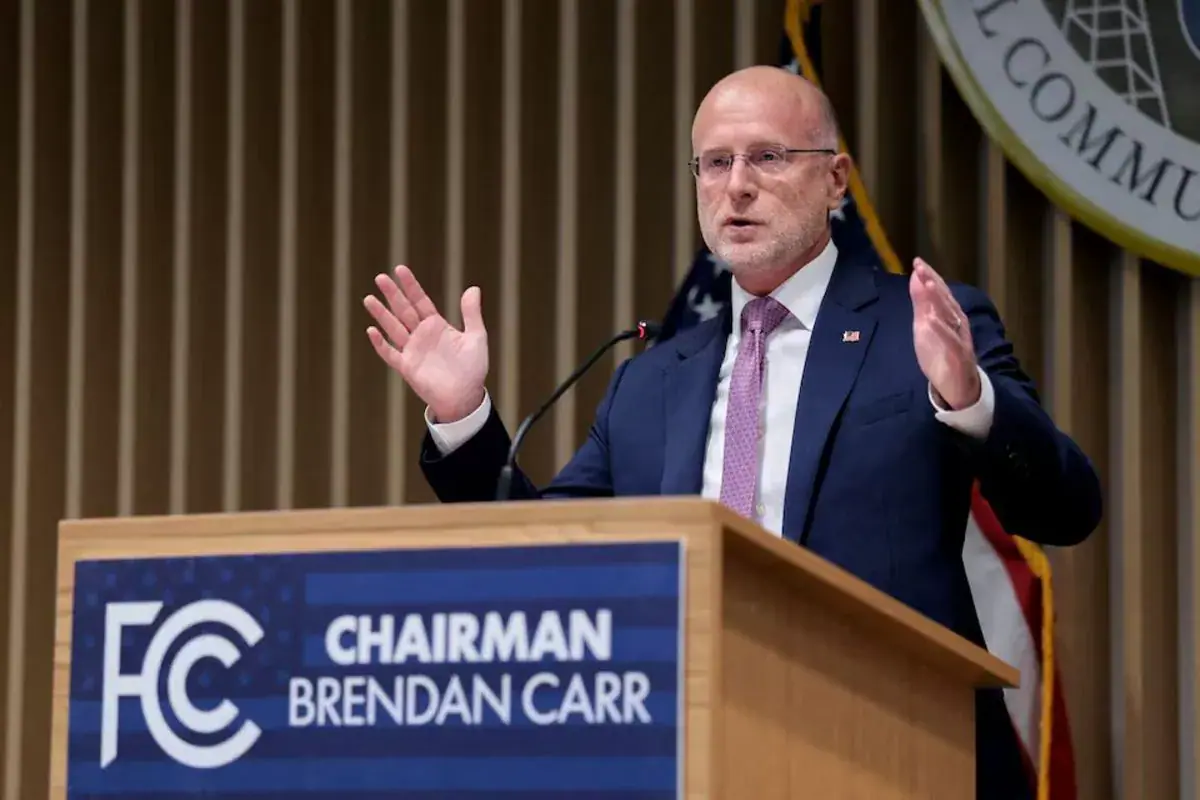
The proposed ban would restrict these Chinese telecom firms from accessing US phone numbers directly, a much cheaper option that enables them to offer advanced features. Instead, they would have to route their calls through US-based companies, increasing costs and complexity. FCC Chair Brendan Carr emphasized that this decision would strengthen the country's first line of defense against bad actors and illegal robocallers.
China's foreign ministry has expressed strong opposition to the likely US ban, accusing Washington of overstretching the concept of national security and abusing state power to suppress Chinese enterprises. Chinese foreign ministry spokesperson Guo Jiakun stated that China would take necessary measures to resolutely safeguard its legitimate rights and interests.
The FCC's move is part of a larger effort to address concerns about the potential for spying and other harms arising from Chinese access to US telecom data and infrastructure. In recent years, there have been growing concerns about the risks posed by Chinese telecom companies, including Huawei and ZTE. The FCC has previously barred China Mobile, China Telecom, and China Unicom from providing international telecommunications services to the United States.
The FCC also plans to bar IP-enabled service providers that use equipment from companies on the FCC's list of national security risks, such as Huawei or ZTE. Additionally, the agency intends to ban all Chinese labs from testing US electronics in December 2028 and may revoke direct number authorizations for Chinese companies deemed to pose national security risks.
The US government has cited specific instances of Chinese cyber espionage, including the activities of a Chinese state-sponsored group known as Salt Typhoon, which allegedly stole consumers' call records and infiltrated US telecommunications and telecom infrastructure firms. The FBI has warned that threats from this group are still ongoing.
The FCC's actions are part of a broader US effort to address national security concerns related to Chinese telecom companies. Other measures under consideration include barring Chinese telecom firms from connecting to US networks and operating their data centers in the US. The US government has consistently expressed concerns about the potential risks posed by Chinese access to US telecom infrastructure.
Key points
- The US FCC plans to vote on a proposal to ban Chinese telecom firms from direct access to US phone numbers on national security grounds.
- China has opposed the likely US ban, accusing Washington of suppressing Chinese enterprises.
- The FCC also plans to bar IP-enabled service providers using equipment from companies on the FCC's national security risk list.