US mining company KoBold Metals is leveraging artificial intelligence (AI) to explore for critical minerals in the Democratic Republic of Congo (DRC). The company's geologists are using high-precision GPS units and tablets connected to an AI system running in real-time on servers in California. This technology allows them to collect and analyze data, including soil samples, to detect the presence of minerals such as lithium, copper, and cobalt. The DRC is the world's second-largest producer of copper and the top producer of cobalt.
KoBold Metals, founded in 2018 with backing from investors including Bill Gates and Jeff Bezos, is part of a US strategy to secure supplies of strategic minerals and reduce China's dominance in the sector. China controls 70 to 80 percent of the Congolese copper and cobalt market, having invested massively in the DRC since the 2000s. The US company's arrival in the DRC is seen as a significant move in the global race for critical minerals, which are crucial for powering clean energy technologies, including rechargeable batteries.
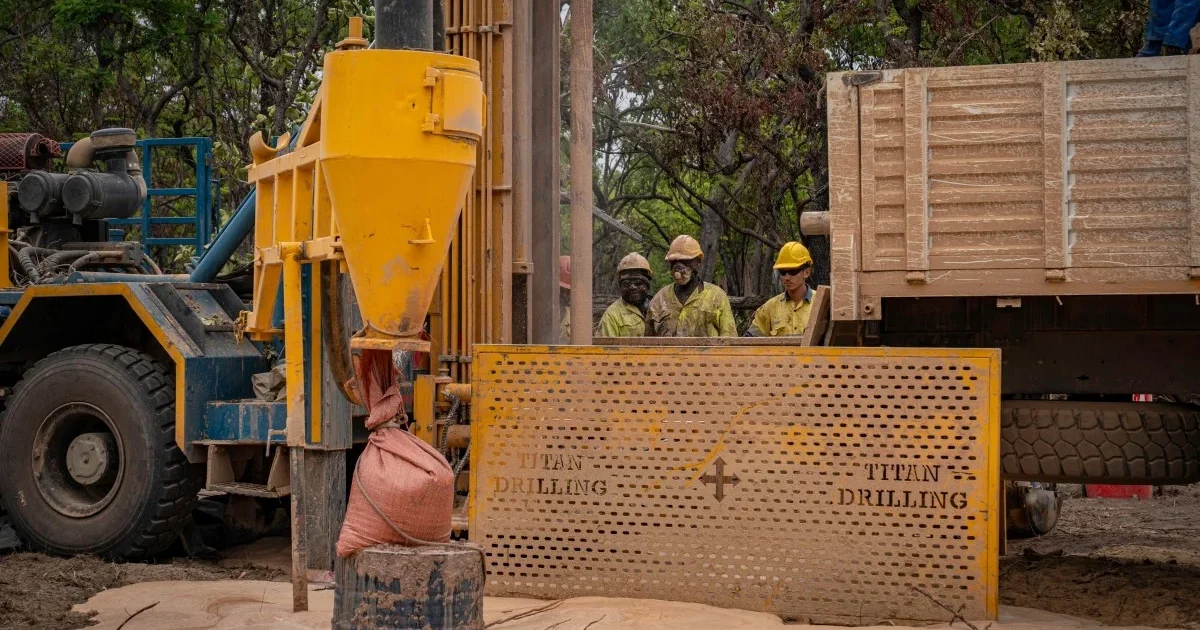
The DRC's vast territory of over 2.3 million square kilometers remains largely unexplored, presenting opportunities for major discoveries. KoBold Metals has obtained 14 exploration permits, covering an area of more than 3,000 square km, since 2025. The company plans to invest more than $50 million in the DRC by early 2027 and has already begun collecting soil samples, with its AI system creating predictive models to target drilling. The company's managing director in the DRC, Benjamin Katabuka, expressed optimism about the results.
KoBold Metals is focusing on lithium, an essential component in the production of electric cars, with global demand expected to more than double by 2030. The company's AI system has ingested huge amounts of data, including historical geological maps, old drill logs, and satellite images. This technology enables KoBold to compete with giants such as China's Zijin, which has already begun shipping concentrate from a nearby mine. KoBold hopes to move into production in a few years' time.
The arrival of KoBold Metals in the DRC has raised hopes in the local community, but also concerns about working conditions and environmental impact. The town of Manono, where KoBold has set up its base, has been affected by mining operations, with poverty and poor living conditions prevalent. Local leaders, including Vicar General Wilson Katende, hope that the presence of KoBold will lead to improved working conditions and better treatment of local workers.
Despite the optimism, challenges remain in attracting American investment to the Congolese mining sector, which is marred by corruption and financial scandals. Talks are underway to work out how to attract investment, with KoBold's investment pledge of over $50 million seen as a positive step. The company's lab manager, Kevin Tambwe, explained that the AI system has enabled the company to target drilling more effectively, based on data analysis.
The DRC government is seeking to increase investment in the mining sector, with the US strategic partnership agreement signed in December seen as a key development. However, progress has been slow, with only one other American company, Virtus Minerals, holding assets in the DRC. KoBold's investment and use of AI technology may help to unlock further investment and growth in the sector.
Key points
- KoBold Metals is using AI to explore for critical minerals in the DRC.
- The company's investment pledge of over $50 million is seen as a positive step in attracting American investment to the Congolese mining sector.
- The DRC's vast territory remains largely unexplored, presenting opportunities for major discoveries.