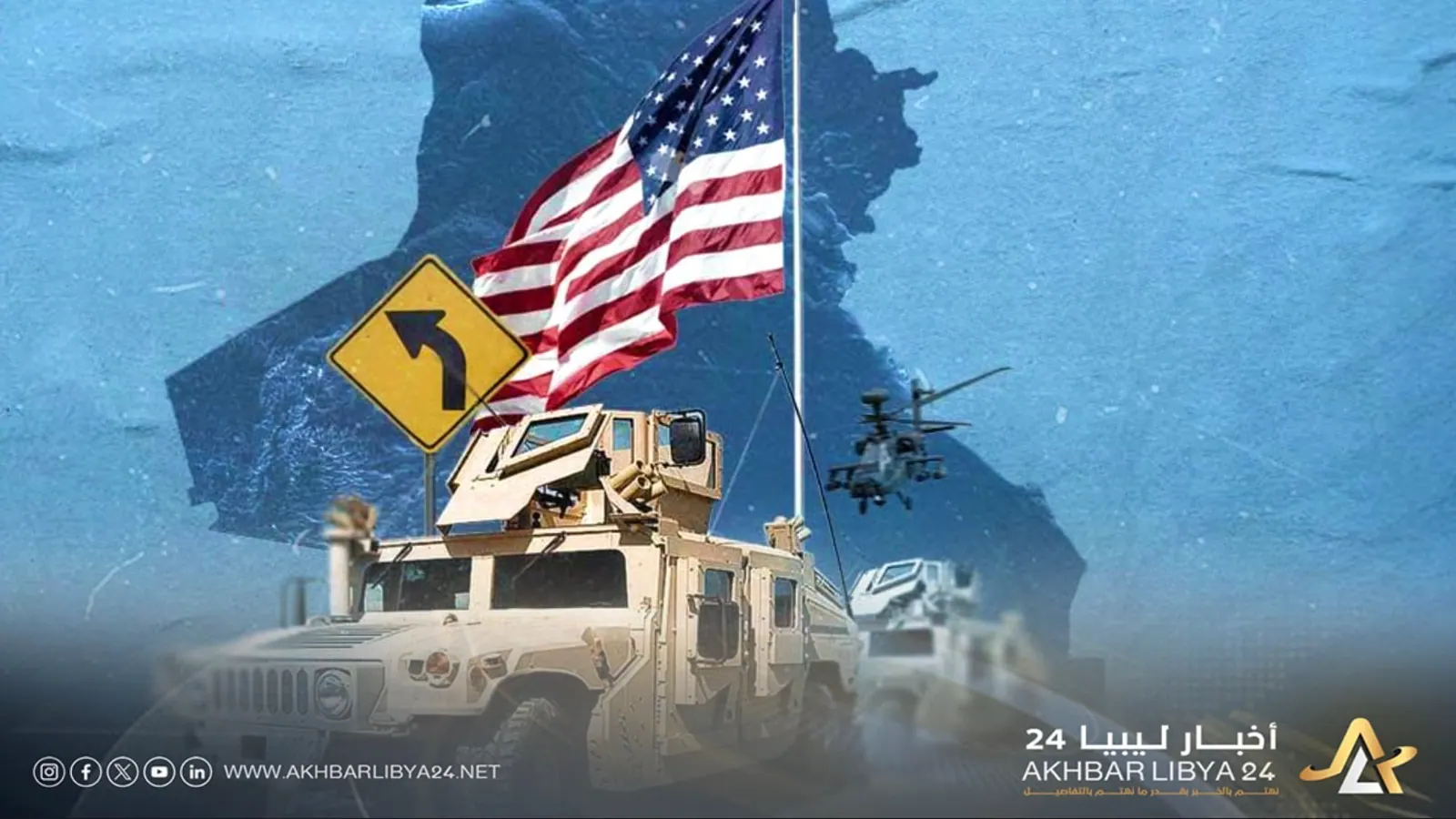
The United States is withdrawing its military forces from Iraq, with a planned departure from the country by Wednesday. This move marks the end of a military presence that began in 2003 with the invasion of Iraq, led by the US. The withdrawal is based on an agreement made in 2024 during the presidency of Joe Biden. The US military presence in Iraq has been a significant aspect of the country's security landscape for over two decades.
The withdrawal of US forces is expected to have significant implications for Iraq's security situation. Iraqi security experts believe that the departure of US forces may create an opportunity for Iran and its allied militias to expand their influence in the country. The US military presence has been a factor in balancing the influence of Iran in Iraq. The Iraqi government will face challenges in maintaining stability and preventing any potential security vacuums.
The US military presence in Iraq has been marked by significant bloodshed, with nearly 4500 US soldiers killed during the war that began with the invasion in 2003. The withdrawal of US forces has been welcomed by some Iraqi factions as a victory for the country's resistance movement. However, others have expressed concerns about the potential security implications of the withdrawal.
There are concerns that the withdrawal of US forces may create a security vacuum that could be exploited by extremist groups, including the Islamic State. The Islamic State, although defeated, still maintains sleeper cells in various parts of Iraq. Iraqi security forces have reported recent movements by these cells, highlighting the ongoing security challenges facing the country.
The Iraqi government faces a delicate balancing act in managing the country's security situation. The government must navigate the complexities of maintaining stability while preventing any potential security vacuums that could be exploited by extremist groups. The withdrawal of US forces will require the Iraqi government to take full responsibility for the country's security.
The US withdrawal from Iraq also has implications for the country's relationships with regional and international powers. The withdrawal comes at a time of heightened tensions between the US and Iran, and Iraq's relationships with both countries will be closely watched. The Iraqi government will need to carefully manage its relationships with these powers to maintain stability and security.
The withdrawal of US forces from Iraq marks a significant shift in the country's security landscape. The Iraqi government will face challenges in maintaining stability and preventing security vacuums. The country's relationships with regional and international powers will also be closely watched. The US withdrawal is a significant development in the region, and its implications will be closely monitored.
Key points
- The US military withdrawal from Iraq marks the end of a military presence that began in 2003.
- The withdrawal is expected to create a security vacuum that could be exploited by extremist groups.
- The Iraqi government faces a delicate balancing act in managing the country's security situation.