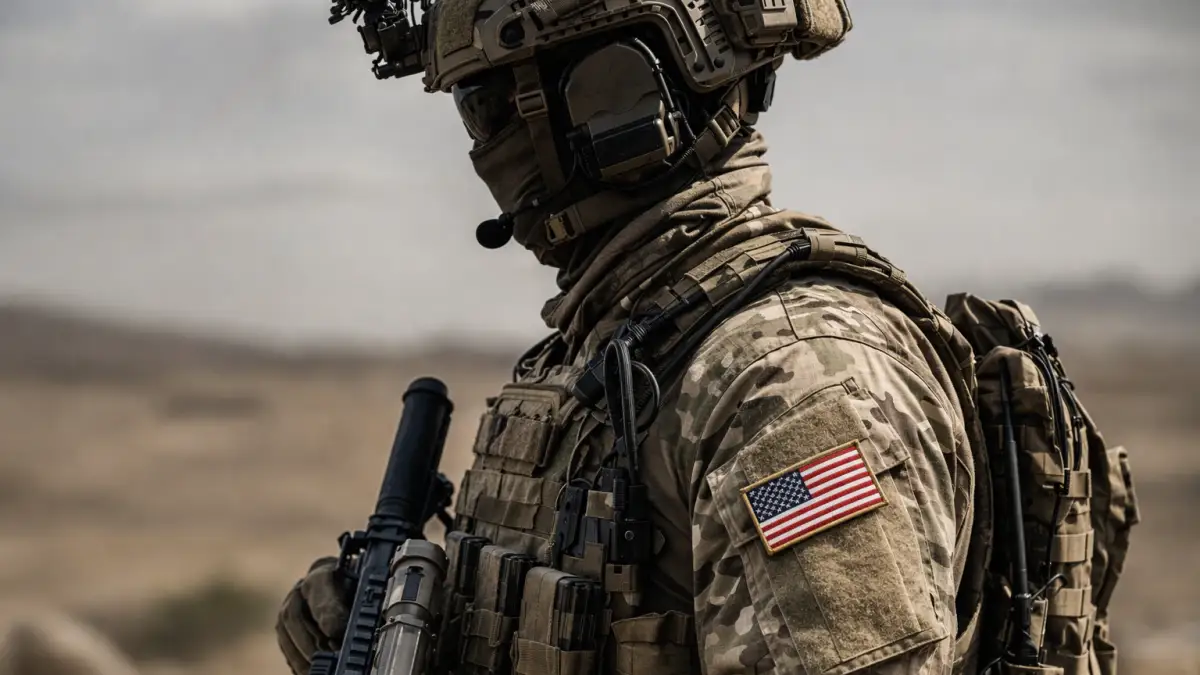
The US Marines recently completed 'Operation Slingshot', a military exercise that demonstrated their capabilities in the Pacific. The operation involved F-35B fighter jets and KC-130J tanker aircraft, which conducted a series of flights from a base in Australia to Hawaii, with several stops in the Pacific. The exercise was designed to test the Marines' ability to deploy combat aircraft quickly and efficiently from remote sites with limited infrastructure. The operation covered a vast distance of several thousand kilometers.
The KC-130J played a crucial role in the operation, serving as a mobile logistics hub that provided maintenance personnel, equipment, and fuel to the F-35B aircraft. The KC-130J followed a route that took it through several Pacific islands, including Cairns, Pohnpei, Kwajalein, and Wake Island, before reaching Hawaii. The aircraft's ability to deliver ground refueling capabilities allowed the F-35B to operate from austere sites without the need for permanent infrastructure. This capability is critical in a region where the US military is seeking to expand its presence.
The operation was conducted by the 3rd Marine Aircraft Wing, which sought to test its ability to deploy fifth-generation fighter jets quickly and efficiently from remote sites. The exercise involved a range of logistical and maintenance challenges, including the use of Aviation-Delivered Ground Refueling, which allows aircraft to refuel from tanker planes. The KC-130J was described by Lieutenant Christian Schwien, a KC-130J copilot, as the "workhorse in the background", providing critical support to the F-35B aircraft.
The 'Operation Slingshot' exercise takes place against a backdrop of growing military competition between the US and China in the Pacific. According to the Center for Strategic and International Studies (CSIS), Chinese aircraft carriers have been increasingly active in the Pacific, with the Liaoning and Shandong carriers operating beyond the first island chain for a total of 58 days in 2025. The exercise is seen as a demonstration of US military capabilities in the region, where China is seeking to expand its military presence.
The US military is seeking to develop its ability to deploy and maintain forces in the Pacific, where China is increasingly active. The operation is part of a broader effort to develop the US military's capabilities in the region, including the use of mobile logistics hubs and austere sites. The exercise also highlights the importance of the KC-130J tanker aircraft, which played a critical role in supporting the F-35B fighter jets.
The growing military competition between the US and China is not limited to the issue of Taiwan or the presence of aircraft carriers. It also involves the ability to deploy, refuel, repair, and maintain military forces over long distances in the Pacific. The 'Operation Slingshot' exercise is a demonstration of US military capabilities in this regard, and it comes as China continues to develop its military presence in the region.
The 'Operation Slingshot' exercise is a significant demonstration of US military capabilities in the Pacific, and it highlights the importance of mobile logistics and austere sites in modern military operations. The exercise involved a range of complex logistical and maintenance challenges, and it demonstrates the US military's ability to operate in a rapidly changing security environment.
Key points
- The US military conducted a military operation in the Pacific to test its ability to deploy combat aircraft from austere sites.
- The operation involved F-35B fighter jets and KC-130J tanker aircraft, which conducted flights from Australia to Hawaii.
- The exercise was designed to demonstrate US military capabilities in the face of growing competition from China in the Pacific.