The US midterm elections, set for November 3, are being closely watched both domestically and internationally. These elections come at a time of global disruption, with the international order established by the United Nations Charter in 1945 being significantly challenged. According to Decision Desk HQ, a US electoral projection body, Democrats have a 78% chance of regaining control of the House of Representatives and a 57% chance of winning the Senate.
Historically, the party of the sitting US President tends to lose seats in the House of Representatives during midterm elections. Since 1946, this has occurred 18 times out of 20. The four most recent midterm elections have followed this trend, with the President's party losing seats in the House. In 2010, Republicans gained 63 seats; in 2014, they gained 13; in 2018, Democrats gained around 40; and in 2022, Republicans gained 9.
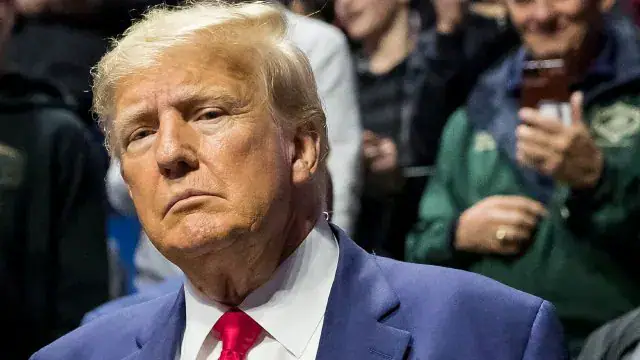
The current President, Donald Trump, has been criticized for his governance style and policies. Many Americans are struggling with the rising cost of living, with 47% citing it as their top concern, according to Reuters/Ipsos. Trump's approval rating stands at around 37%, with only 23% approving of his handling of inflation. The price of fuel has also increased significantly, with the average price of a gallon rising to $4.27, according to the American Automobile Association.
Trump's military intervention in Iran has also been widely criticized. The conflict, which began in March, has lasted for seven months, and 60% of voters disapprove of Trump's handling of the situation, according to an IGA poll. Furthermore, 81% of voters believe the war has increased the cost of living. Some voters who supported Trump in the past are now considering voting for Democratic candidates.
The midterm elections may have significant implications for Trump's future policies. If Democrats gain control of Congress, they could potentially limit Trump's ability to launch new military interventions. However, it is essential to note that the President retains significant authority in foreign policy and can veto legislation.
A change in the balance of power in Congress could also impact US relations with Africa. While a Democratic victory would not automatically lead to a more peaceful foreign policy, it could result in increased congressional oversight and more nuanced decision-making.
Ultimately, the midterm elections will be an important test of Trump's popularity and the direction of US politics. The outcome will likely have far-reaching consequences, both domestically and internationally. As the elections approach, voters are weighing their options, and the final result remains uncertain.
Key points
- Democrats are favored to gain control of the House of Representatives and possibly the Senate.
- Trump's governance style and policies, including his handling of the economy and military intervention in Iran, are under scrutiny.
- The midterm elections may have significant implications for US foreign policy and relations with Africa.