With six days remaining until the US midterm elections on November 3, Democrats are currently leading Republicans in national polls. A Reuters/Ipsos survey conducted from October 22 to 26 shows 47% of voters supporting Democrats, compared to 36% for Republicans. When factoring in undecided voters, the Democratic lead rises to 50% against 41% for the Republicans. This poll suggests a significant advantage for Democrats, but several critical Senate races remain too close to call.
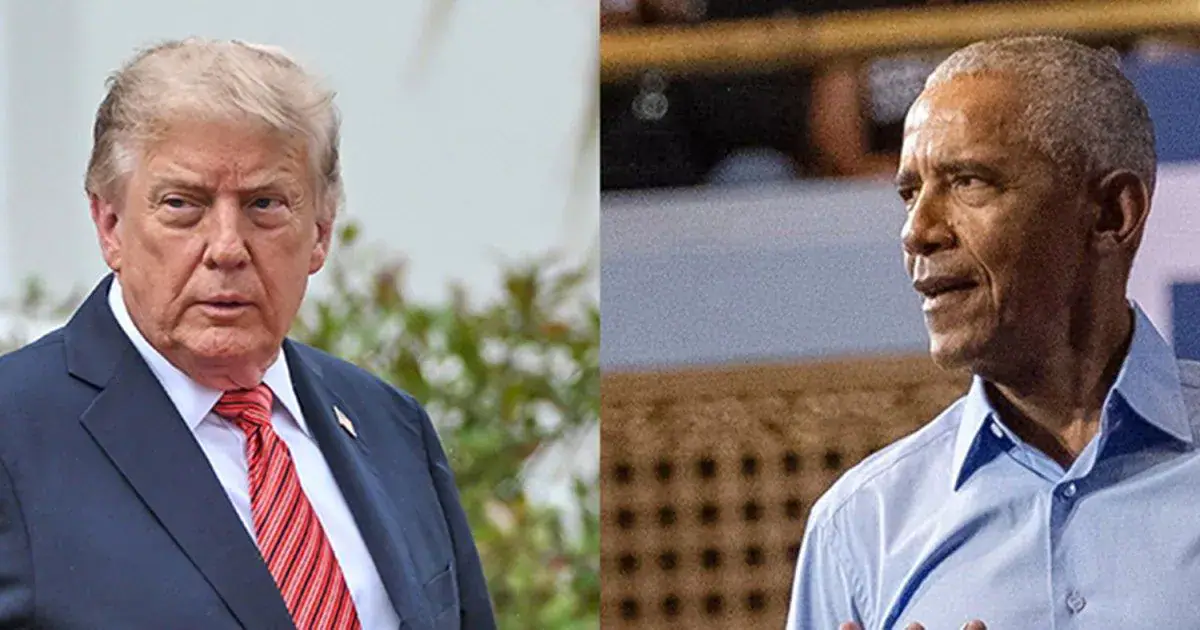
President Donald Trump intensified his campaigning this week, holding two rallies in Texas on Tuesday before heading to Ohio on Wednesday. In Texas, a traditionally Republican stronghold, the race between Democrat James Talarico and Republican Ken Paxton is virtually tied. Trump has made multiple visits to Texas in the lead-up to the elections, yet polls suggest a tighter competition than he has portrayed. Local analysis shows a higher number of early Republican voters, but Talarico is appealing to dissatisfied Trump voters.
Former President Barack Obama and ex-Vice President Kamala Harris are actively campaigning for the Democratic Party in Georgia. They will collaborate on a campaign effort in Georgia alongside local Democratic candidates. On Friday, early in-person voting will conclude in Georgia, while Wisconsin’s Marquette Law School is set to release a new statewide poll examining public sentiment on inflation and various political issues. This poll could provide valuable insights into voter sentiment in a critical state.
In Michigan, Democrat Abdul El-Sayed and Republican Mike Rogers are locked in a closely contested race. Michael Alexander, a voter who shifted from Republican to independent, remarked that he votes for who he thinks will do the best job, rather than a party. This sentiment reflects a broader trend of voters prioritizing individual candidates over party loyalty. The Michigan Senate race is one of several critical contests that could determine the balance of power in the Senate.
Kansas is experiencing a competitive Senate race for the first time since 1932, as Republican incumbent Roger Marshall faces a challenge from Democrat Adam Hamilton. Both parties have committed around $71 million for campaign advertising in what is now the state’s costliest Senate contest. This significant investment reflects the importance of the Kansas Senate seat in the broader context of the midterm elections.
Trump addressed supporters during his rallies in Texas, touting a deal involving Venezuelan oil and his intention to roll back methane emission regulations to ease energy prices. Fuel costs have emerged as a significant election issue amid ongoing conflicts in the region. On Wednesday, Trump will rally in Ohio, defending a Senate seat against former Democratic Senator Sherrod Brown. The contest is tight, with over $400 million directed towards campaign ads as of early October.
Republicans face challenges in Texas, Ohio, Kansas, and Iowa, where small shifts in voter preference could significantly impact outcomes. Besides Trump, Vice President JD Vance will campaign in North Carolina for Republican candidate Michael Whatley. Meanwhile, Obama and Harris will collaborate on a campaign effort in Georgia alongside local Democratic candidates. The next few days will be crucial in determining the outcome of the midterm elections, with early voting concluding in several states and new polls providing insight into voter sentiment.
Key points
- Democrats lead Republicans by 9 points in national polls with 6 days to go until US midterms
- Several critical Senate races remain too close to call, including in Texas, Michigan, Kansas, and Ohio
- Trump, Obama, and Harris are actively campaigning in key states, including Texas, Georgia, and Ohio