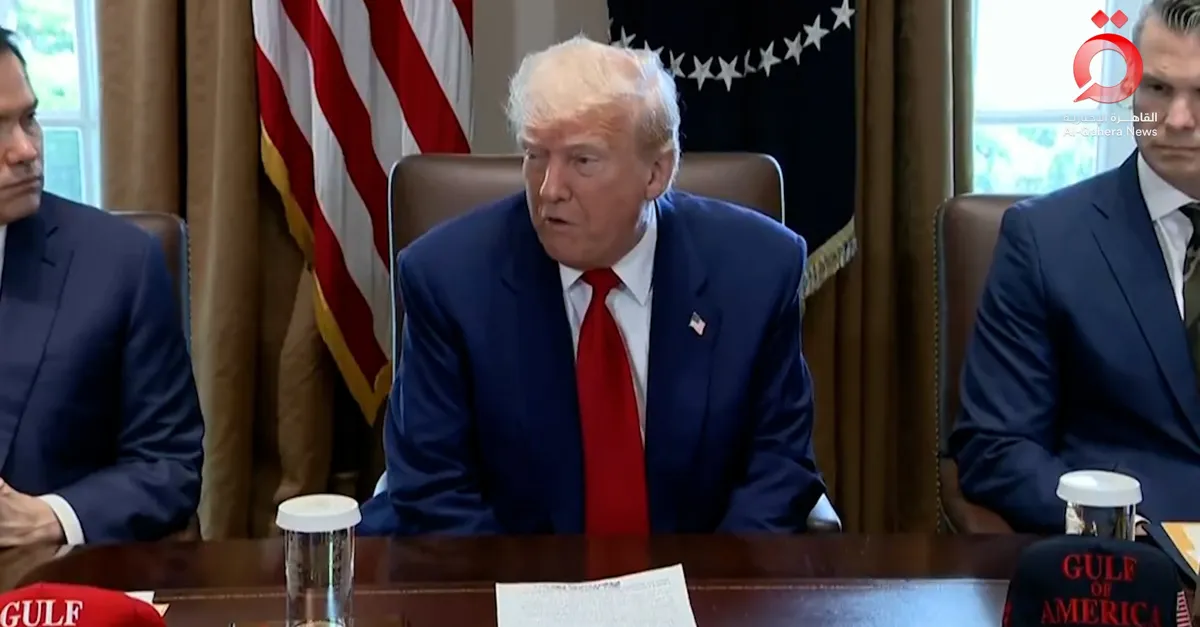
As the US midterm elections approach, recent polls have highlighted a growing divide between the issues that voters consider a priority and those that President Donald Trump is focusing on. According to a CNN-SSRS poll conducted in September, 68% of Americans consider the economy a crucial issue when deciding their vote, while 60% cite inflation, 54% healthcare, and 48% the war with Iran.
The economy and cost of living have become a primary concern for voters, with many Americans not seeing a significant improvement in their financial situation. The poll found that only 27% of participants trust Trump's handling of the economy, while 68% say it will be a critical issue in their voting decision. This disparity between voter priorities and the administration's economic message has become a key area of discussion ahead of the elections.
The ongoing war with Iran has also become a significant factor in voters' calculations, with many linking it directly to their economic concerns. The poll showed that nearly three-quarters of Americans do not believe Trump has a clear plan to end the conflict, which is approaching its eighth month. Only 26% of respondents approved of Trump's handling of the war, adding to the pressure on the administration to find a resolution.
The issue of artificial intelligence has emerged as a new concern for Americans, with a separate CNN-SSRS poll finding that people view its development with more fear and anxiety than hope and enthusiasm. Around seven in ten respondents supported increased government regulation of AI, which contrasts with Trump's stance of leaving the regulatory situation "exactly as it is."
The divide between the administration and voters on AI has raised questions about the technology's impact on jobs, society, privacy, and infrastructure. As the debate surrounding AI continues, it has become linked to concerns about energy costs, the environment, and employment, further highlighting the differences between Trump's agenda and voter priorities.
The polls have also shown that Democrats are currently leading in the generic congressional vote, with a recent SSRS poll indicating an eight-point advantage. However, this does not necessarily translate to a decisive electoral outcome, as the numbers can change and other factors, such as campaign spending and last-minute developments, will influence the final result.
The midterm elections will be decided on November 3, with early voting beginning in some states in October. As the campaigns enter their final stretch, both parties are preparing to invest heavily in advertising, with Democrats seeking to capitalize on voters' concerns about the economy, war, and AI, and Republicans aiming to tie their opponents to policies that align with or diverge from Trump's agenda.
Key points
- The US midterm elections will be influenced by factors such as the economy, foreign policy, and artificial intelligence.
- Recent polls show a gap between voters' priorities and President Donald Trump's agenda.
- The elections will be decided on November 3, with early voting beginning in some states in October.