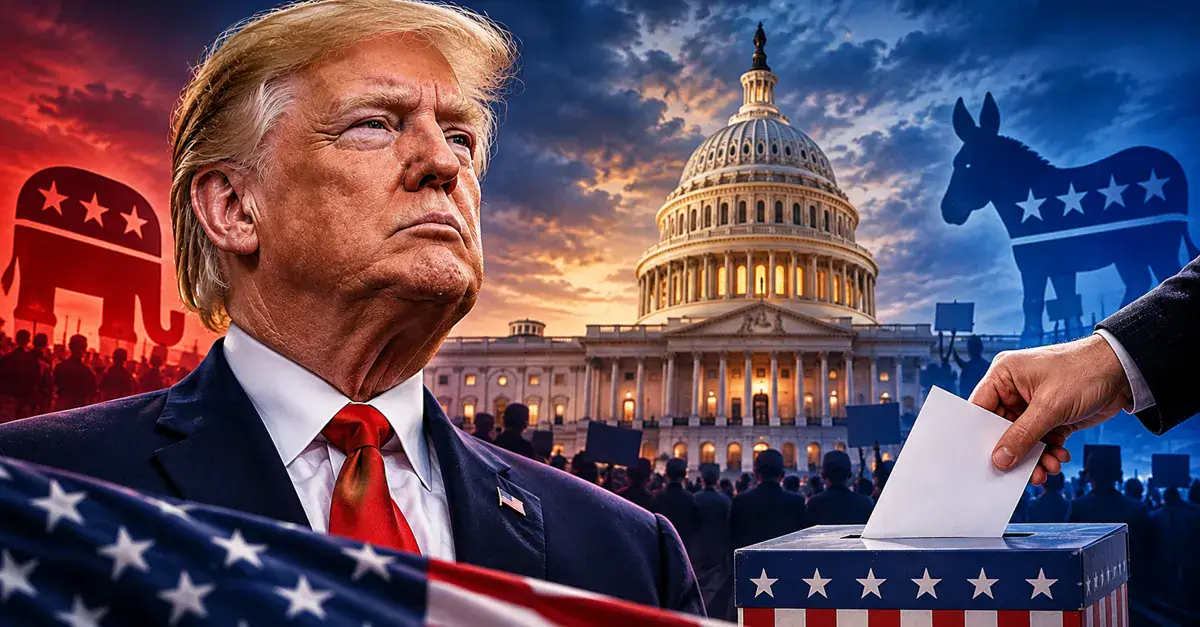
The US midterm elections, set to take place on November 3, 2026, are a critical test of President Donald Trump's popularity and the Republican Party's ability to maintain its legislative majority. The elections will determine the balance of power in Congress, with all 435 seats in the House of Representatives and 35 seats in the Senate up for grabs. The outcome will have significant implications for Trump's agenda and the ability of his administration to pass legislation.
The US Congress is a bicameral legislature consisting of the House of Representatives and the Senate. The House has 435 members, each serving a two-year term, while the Senate has 100 members, with each state represented by two senators serving six-year terms. The midterm elections will determine which party controls Congress, with the potential for significant changes in the balance of power. The elections will also influence the ability of the president to appoint judges, ambassadors, and other senior officials.
The midterm elections are crucial for Trump's agenda, as a Republican-controlled Congress would provide him with a significant advantage in passing legislation. Conversely, a Democratic-controlled Congress could lead to increased scrutiny of the administration and a more challenging environment for passing legislation. The elections will also be influenced by a range of issues, including the economy, healthcare, and foreign policy, with many voters expressing concerns about the rising cost of living and the impact of the Trump administration's policies.
The economy is a key issue in the midterm elections, with many voters expressing concerns about the rising cost of living, including the cost of food, fuel, and housing. The Trump administration has faced criticism for its handling of the economy, with many voters blaming the administration for the rising costs. The Democrats have capitalized on these concerns, arguing that the administration's policies have benefited the wealthy at the expense of working-class Americans.
Healthcare is another critical issue in the midterm elections, with many voters concerned about the future of the Affordable Care Act and access to healthcare. The Trump administration has faced criticism for its efforts to repeal and replace the ACA, with many voters expressing concerns about the potential impact on their healthcare. The Democrats have argued that the administration's policies would lead to significant increases in the number of uninsured Americans.
Foreign policy is also a key issue in the midterm elections, with many voters concerned about the administration's handling of the conflict in Iran and the ongoing tensions with North Korea. The administration's decision to withdraw from the Iran nuclear deal has been a point of contention, with many voters expressing concerns about the potential impact on national security. The Democrats have argued that the administration's policies have increased the risk of conflict and undermined global stability.
The midterm elections will also be influenced by a range of other issues, including immigration, climate change, and social justice. The outcome of the elections will have significant implications for the balance of power in Washington and the ability of the Trump administration to pass legislation. The elections will also provide insight into the mood of the American electorate and the key issues that will shape the 2024 presidential election.
Key points
- The US midterm elections will determine the balance of power in Congress, with control of the House of Representatives and the Senate hanging in the balance.
- The economy, healthcare, and foreign policy are key issues in the midterm elections, with many voters expressing concerns about the Trump administration's policies.
- The outcome of the midterm elections will have significant implications for the Trump administration's agenda and the ability of the president to pass legislation.