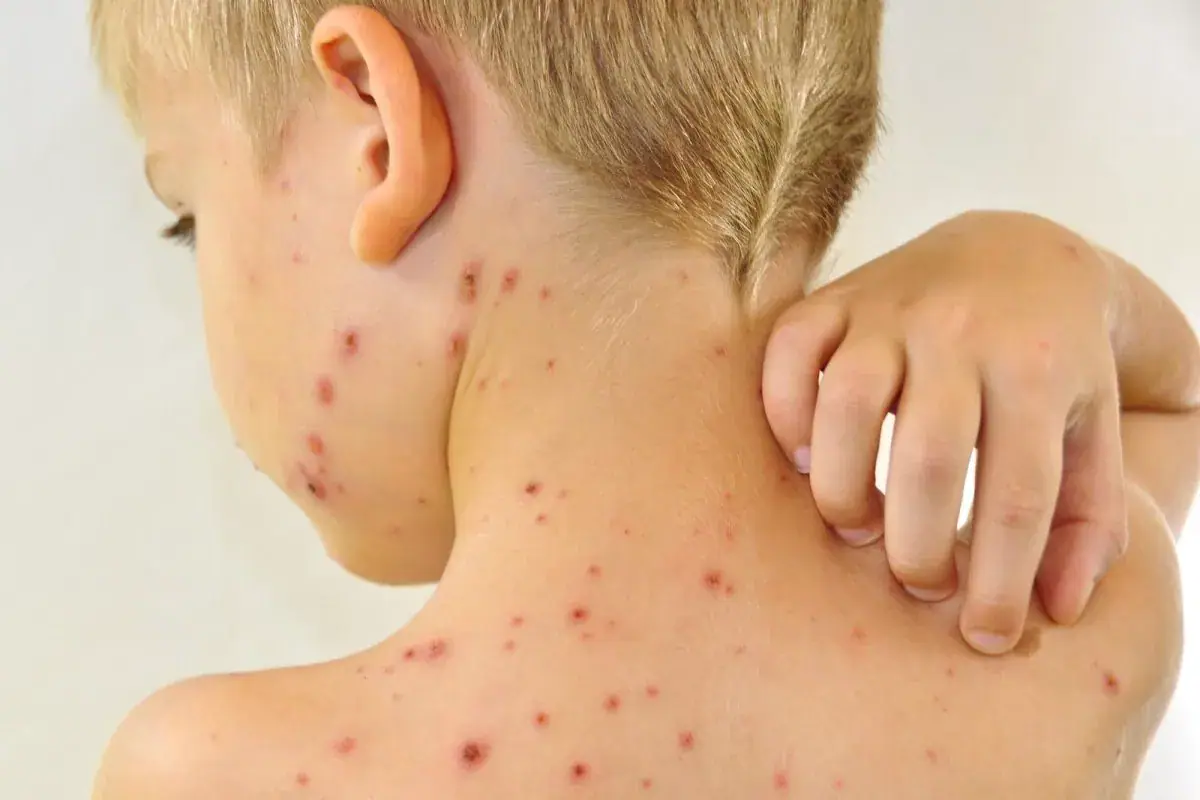
The World Health Organization's regional office for the Americas, the Pan American Health Organization (PAHO), announced on Tuesday that the United States, Mexico, and Bolivia have lost their measles elimination status. This decision was made due to the continuous circulation of the virus in each country for at least 12 months. The PAHO's director, Jarbas Barbosa, warned that losing elimination status means the virus has been circulating for an extended period, exposing families and communities to preventable illnesses, hospitalizations, and deaths.
The Americas had previously made significant progress in eliminating measles, with the region being the first in the world to achieve this in 2016. However, in recent years, there has been a resurgence of the virus. As of November 13, the region reported 58,213 confirmed cases and 82 deaths since the beginning of the year, compared to 12,806 cases during the same period in 2025. This represents a more than four-fold increase in infections over the past year.
The United States, which had eliminated measles in 2000, has confirmed over 5,400 cases since January 2026, more than double the total recorded for the entire previous year. According to reports, the country is experiencing its largest measles outbreak in over 30 years. Mexico and Bolivia are also experiencing prolonged transmission of the virus, despite vaccination campaigns and efforts to contain outbreaks.
Measles is a highly contagious infectious disease that can cause serious complications, including pneumonia, encephalitis, and blindness. In severe cases, it can be fatal. The disease can also weaken the immune system, making individuals more susceptible to other infections. The PAHO emphasizes that measles elimination is not a one-time achievement, but rather a continuous process that requires sustained efforts to maintain high vaccination coverage.
The PAHO attributes the resurgence of measles to a buildup of populations with insufficient protection against the virus. Factors contributing to this include limited access to healthcare, missed vaccinations, misinformation, and vaccine hesitancy. The organization stresses that a coverage of at least 95% with two doses of vaccine in every community is necessary to interrupt transmission sustainably.
The loss of elimination status for these countries is a significant setback for the region. In November 2025, Canada also lost its measles elimination status, but has since managed to interrupt the transmission chain and is working to regain certification. The PAHO is calling on governments to strengthen vaccination campaigns, epidemiological surveillance, and rapid detection of new outbreaks.
The PAHO's director, Jarbas Barbosa, emphasized that elimination is not a permanent achievement, but rather a continuous process that requires daily effort to protect. He noted that the region has previously overcome similar challenges, and that with concerted efforts, it can regain its measles elimination status. The organization is urging governments to take immediate action to address the resurgence of measles and prevent further spread of the virus.
Key points
- The US, Mexico, and Bolivia have lost their measles elimination status due to sustained virus transmission.
- The Americas reported 58,213 confirmed measles cases and 82 deaths as of November 13, a significant increase from 2025.
- The PAHO is calling for strengthened vaccination campaigns and surveillance to address the resurgence of measles.