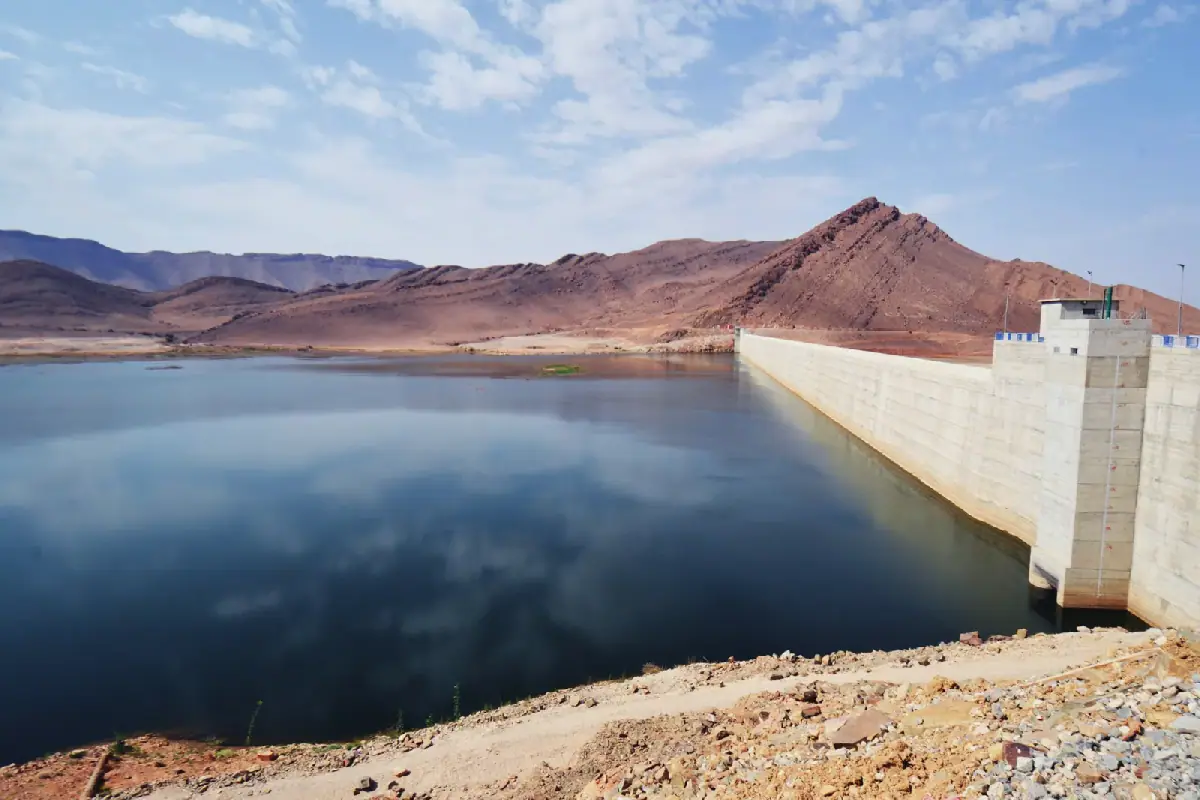
Morocco's water barrage fill rate has reached 66.2%, according to Nizar Baraka, Minister of Water and Environment, who presented the latest indicators on water resources and measures to enhance security and prevent flood risks. Baraka's statement came during a session at the Chamber of Counselors on November 17. He highlighted that water inflows since September have more than tripled compared to the same period in 2025, rising from 340 million to 1.2 billion cubic meters. This significant increase has contributed to reconstituting barrage reserves and improving water supply prospects.
Despite this improvement, Baraka emphasized the need for sustained investments and anticipation measures due to the increasing frequency of extreme climate phenomena. The government aims to continue strengthening hydraulic infrastructures to reduce the country's vulnerability to drought periods. To achieve this, Baraka's department is working on a water security strategy set to 2050, based on projections established at the scale of hydraulic basins. This approach seeks to anticipate the evolution of available resources and water needs, taking into account regional climate and geographical specificities.
The strategy includes continuing the construction of barrages, accelerating ongoing projects, and reinforcing interconnections between hydraulic basins. It also focuses on developing seawater desalination and the reuse of treated wastewater. These investments must be accompanied by rationalizing consumption and improving the efficiency of drinking water and irrigation networks to limit losses and optimize the use of mobilized resources. This multi-faceted approach aims to ensure sustainable management of water resources.
In parallel to efforts on water supply, the ministry is enhancing flood prevention mechanisms, which can be exacerbated by intense rainfall events. Baraka mentioned the implementation of the "Vigicrues" system, designed to monitor watercourses and anticipate flood risks. This system enables alerts to be triggered up to three days before a potential danger, facilitating the preparation of authorities and the protection of populations, especially in exposed rural areas.
In coordination with the Ministry of Interior and the Fund for Combating the Effects of Natural Disasters (FLCN), arrangements have been made to send SMS messages to inhabitants of threatened zones. The goal is to rapidly disseminate information on risks and provide concerned populations with more time to take necessary precautions. This measure aims to enhance the effectiveness of early warning systems and minimize the impact of floods.
The development of meteorological forecasts also plays a crucial role in this strategy, allowing for better anticipation of climate events and more effective management of water resources. By combining these different approaches, the Moroccan government seeks to strengthen its water security and reduce the country's vulnerability to climate-related risks. This strategy is set against the backdrop of a global context where climate change is increasingly impacting water resources.
The situation in Morocco highlights the importance of proactive measures in managing water resources and mitigating the effects of climate change. As the country continues to face challenges related to water security, the government's strategy aims to ensure a more sustainable and resilient management of this vital resource. With a focus on both short-term actions and long-term planning, Morocco is working to address its water challenges and provide a model for other regions facing similar issues.
Key points
- The Moroccan government's water security strategy to 2050 includes developing seawater desalination and reusing treated wastewater.
Reporting sources
- Ressources hydriques : les barrages marocains affichent un taux de remplissage de 66,2 % · La Nouvelle Tribune