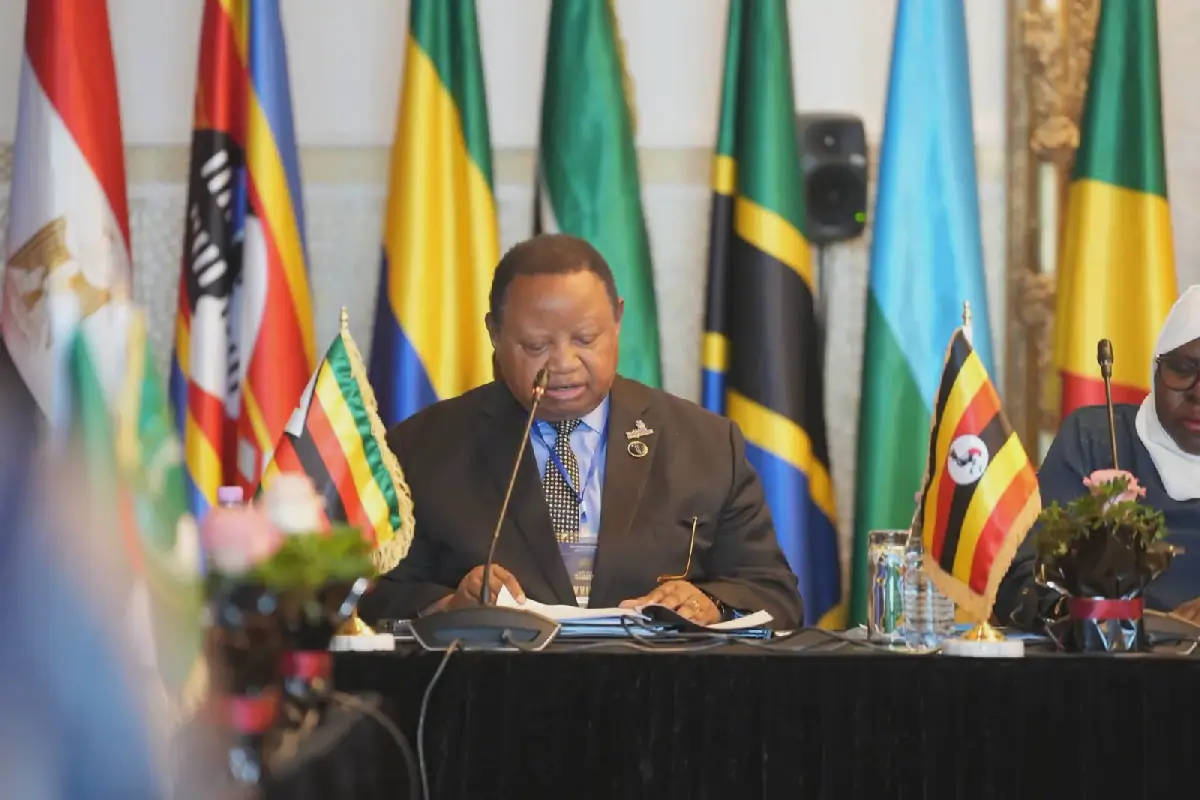
Zimbabwe has called on the African Union Commission to establish a continental system for mutual recognition of technical and vocational qualifications by 2030. This proposal was presented by Higher and Tertiary Education minister Frederick Shava at the Ministerial Roundtable of the African Skills Policy Forum in Oran, Algeria. The forum, hosted by Algeria's Ministry of Vocational Training and Professional Education and the AU Commission, runs from November 16 to 18.
Minister Shava's proposal is part of four recommendations written into the Oran Declaration on the Future of Skills in Africa. The declaration aims to strengthen skills portability, labor mobility, and regional economic integration. Shava emphasized the need for a continental mechanism to recognize TVET qualifications, building on existing national, regional, and continental qualifications frameworks.
Another proposal by Zimbabwe is the development of an African Qualifications Passport. This passport would facilitate the recognition of TVET qualifications and the movement of skilled professionals across borders. The passport would be based on national and continental qualifications frameworks. Minister Shava also suggested a biennial African Skills Competition Calendar, aligned with WorldSkills Africa and WorldSkills International cycles.
The African Skills Competition Calendar would enable countries to plan, mobilize resources, and prepare competitors systematically. Zimbabwe also proposed a Continental TVET Trainer Mobility Programme, which would offer funded short-term exchanges and placements for instructors, assessors, and institutional managers. The program would prioritize emerging and under-resourced TVET systems.
Minister Shava urged the African Union Commission to make the Oran Declaration a living implementation mechanism with regular progress reporting. The reporting would be based on measurable indicators, including apprenticeships created, trainers exchanged, qualifications recognized, industry partnerships established, competitors prepared, and youth employment outcomes achieved.
Zimbabwe is preparing for its first WorldSkills International competition in 2028 and welcomes trainer exchanges, technical expert placements, and joint preparation with African partners. Minister Shava acknowledged that Zimbabwe faces critical skills shortages, citing the 2018 National Critical Skills Audit, which reported a national critical skills level of 38.25 percent. The shortages are significant in engineering, technology, and natural and applied sciences.
To address skills shortages, Zimbabwe's Integrated Skills Expansion Outreach Programme (ISEOP) has certified 15,338 artisans and deployed 12,819 trainees into local infrastructure projects. The program's apprenticeship training is financed through the Zimbabwe Manpower Development Fund (ZIMDEF), which spent about US$187.5 million during the 2021 to 2025 National Development Strategy 1 period. Minister Shava emphasized that TVET must equip people to create enterprises, operate modern industries, adapt to technological change, and contribute directly to national development.
Key points
- Zimbabwe urges African Union to recognize technical and vocational qualifications across the continent by 2030.
- Proposal includes development of an African Qualifications Passport to facilitate recognition of TVET qualifications.
- Zimbabwe's Integrated Skills Expansion Outreach Programme has certified 15,338 artisans and deployed 12,819 trainees into local infrastructure projects.