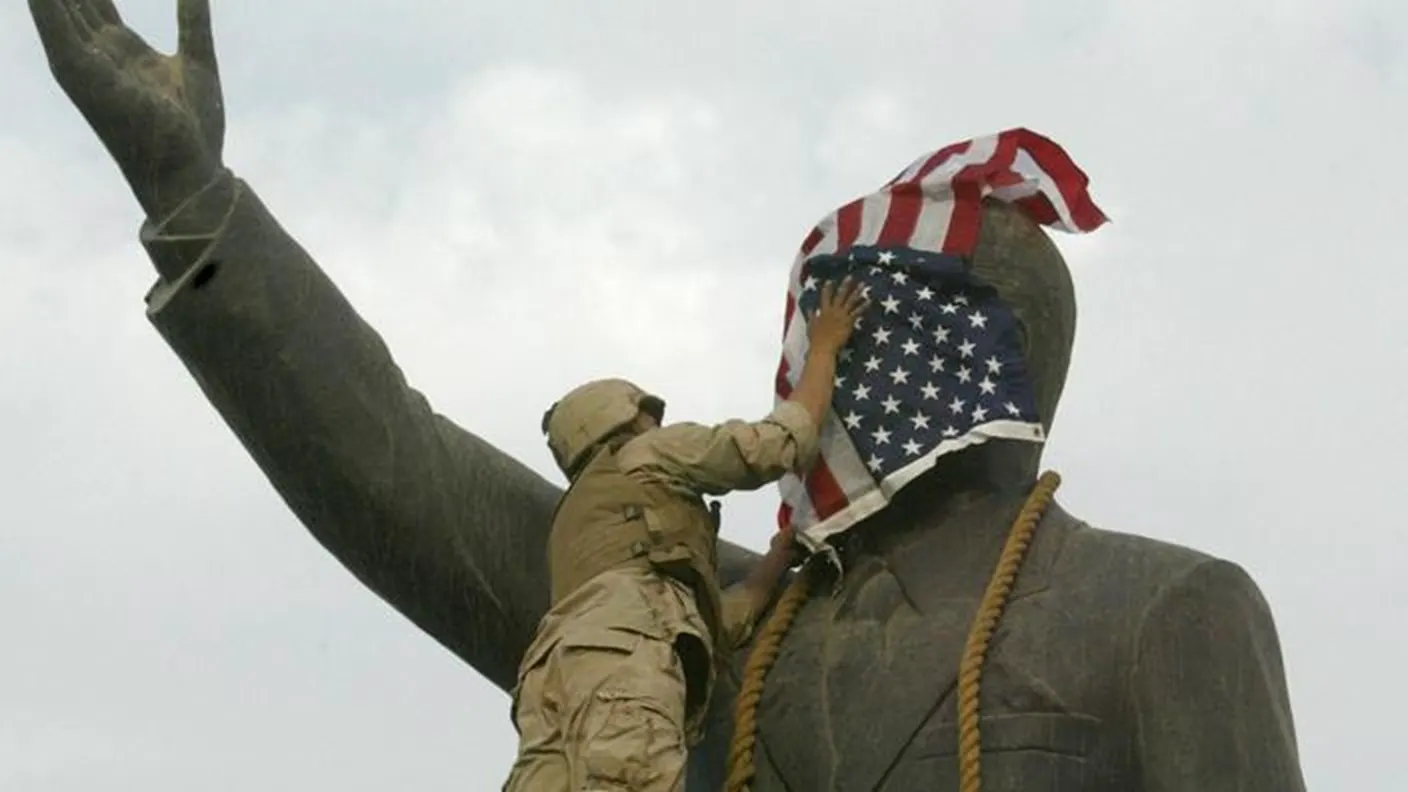
The United States and its international coalition partners have formally ended their military mission in Iraq, 20 years after the invasion began. The Pentagon announced that a "planned withdrawal" of troops and equipment from a base in Erbil had been completed, marking the end of the military mission. However, the US will maintain intelligence and reconnaissance capabilities in the region. The US will continue to provide training and intelligence support to Iraqi forces.
The end of the military mission marks a significant shift in the US presence in Iraq. The US had maintained a significant military presence in the country since the 2003 invasion, which resulted in significant human and material losses. According to the Costs of War project at Brown University, the invasion and subsequent conflict resulted in the deaths of over 210,000 Iraqi civilians. The US military mission in Iraq has been scaled back in recent years, with a focus on providing training and support to Iraqi security forces.
The Iraqi government has welcomed the end of the US military mission, saying that its security forces are now capable of taking full responsibility for security in the country. Iraqi Prime Minister Mohammed Shia al-Sudani said that the country had entered a new phase of sovereignty and institutional strengthening. The Iraqi government has been working to rebuild the country's security forces and infrastructure, which were severely damaged during the conflict.
Despite the end of the military mission, the US will maintain a significant presence in the region. The US has emphasized the need for Iraq to prevent attacks by Iranian-backed militias from its territory. The US will also maintain intelligence capabilities that can be used within Iraq. The US presence in the region will continue to play a significant role in efforts to combat terrorism and stabilize the country.
The US military withdrawal from Iraq is part of a broader shift in US strategy in the region. The US has been working to reduce its military presence in Iraq and Syria, while maintaining a focus on counter-terrorism efforts. Some US troops will be redeployed to Jordan, where they will continue to play a role in combating the Islamic State. Other troops will remain in Iraq to provide security for the US embassy and consulate.
The end of the US military mission in Iraq marks a significant milestone in the country's history. The invasion and subsequent conflict had a profound impact on Iraq, resulting in significant human and material losses. The US military presence in Iraq will continue, albeit in a reduced form, as the country works to rebuild and stabilize. The US will continue to play a significant role in supporting Iraqi security forces and providing intelligence and counter-terrorism support.
The US military mission in Iraq has been the subject of significant debate and controversy. The invasion and subsequent conflict were widely criticized, and the US military presence in Iraq has been the subject of ongoing protests and criticism. Despite these challenges, the US has maintained a significant military presence in Iraq, and has worked to support the country's security forces and stabilize the region.
Key points
- US formally ends military mission in Iraq 20 years after invasion
- US to maintain intelligence and reconnaissance capabilities in region
- Iraqi government welcomes end of US military mission, cites improved security