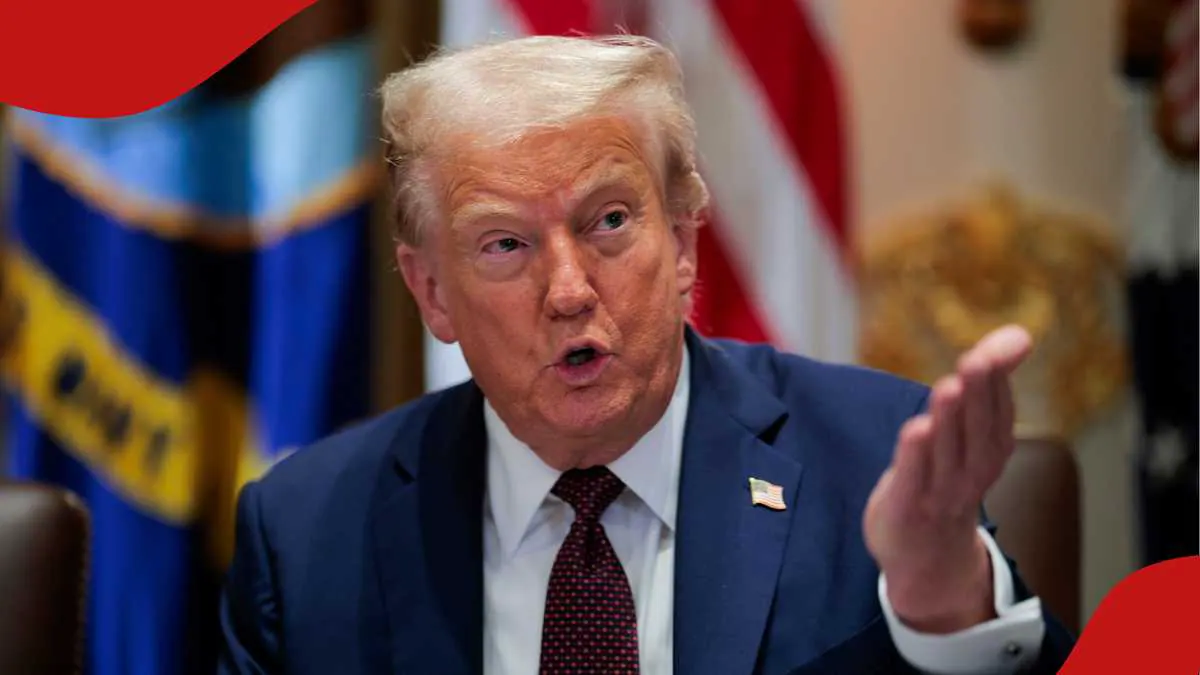
A federal judge in California has ruled that US Citizenship and Immigration Services (USCIS) and the State Department bypassed required rule-making procedures before enforcing the fee. The ruling is a fresh blow to the Trump administration's effort to dramatically raise the cost of hiring skilled foreign workers. The fee, which was set at KSh 12.9m (USD 100,000), was introduced as part of a wider immigration crackdown.
This is the second time a federal court has stepped in to suspend the charge. In June, US District Judge Leo Sorokin in Boston blocked the fee in a separate lawsuit filed by 20 US states, concluding that the administration had acted without the required authorisation from Congress. A federal appeals court in Boston declined in July to pause that ruling while the administration appealed.
The H-1B programme, created by Congress in 1990, allows American employers to bring in foreign workers for specialist roles that require advanced education or training. It provides 65,000 visas annually, plus an additional 20,000 for workers holding advanced degrees from US universities. Technology companies are among its heaviest users, drawing heavily on workers from India and China.
Trump's original fee was set to expire on September 21, but the White House extended it by a further year, potentially keeping the policy alive through September 2027, even as court orders currently block its enforcement. The Department of Homeland Security has separately put forward a proposal for a permanent fee of roughly KSh 13.3m (USD 100,000), pursued through a formal rule-making process.
The US Chamber of Commerce has filed its own lawsuit against the original fee and is currently appealing after a judge rejected its initial arguments. Notably, very few employers have actually paid the USD 100,000 charge since it was introduced. For businesses and prospective H-1B workers, the overlapping court battles and the pending permanent fee proposal mean that the costs and rules governing new skilled-worker hires remain deeply uncertain.
In other news, President Donald Trump signed an Executive Order on September 18, 2026, directing US agencies to apply greater scrutiny to H-1B visa applications, particularly where sponsoring employers have recently laid off or plan to lay off US workers in similar roles. The review will apply throughout the visa process, including labour certification, petition adjudication, visa issuance and entry into the US.
Kenyan workers in fields such as technology, engineering and healthcare may therefore face additional scrutiny, with applicants advised to consider their prospective employers’ recent workforce changes and prepare for increased documentation requirements. The order also extends a USD 100,000 payment requirement for certain H-1B applications through September 21, 2027, adding financial and administrative hurdles for employers sponsoring foreign professionals.
Key points
- A US judge has blocked President Donald Trump's KSh 13m visa fee for skilled Kenyan workers, citing bypassed rule-making procedures.