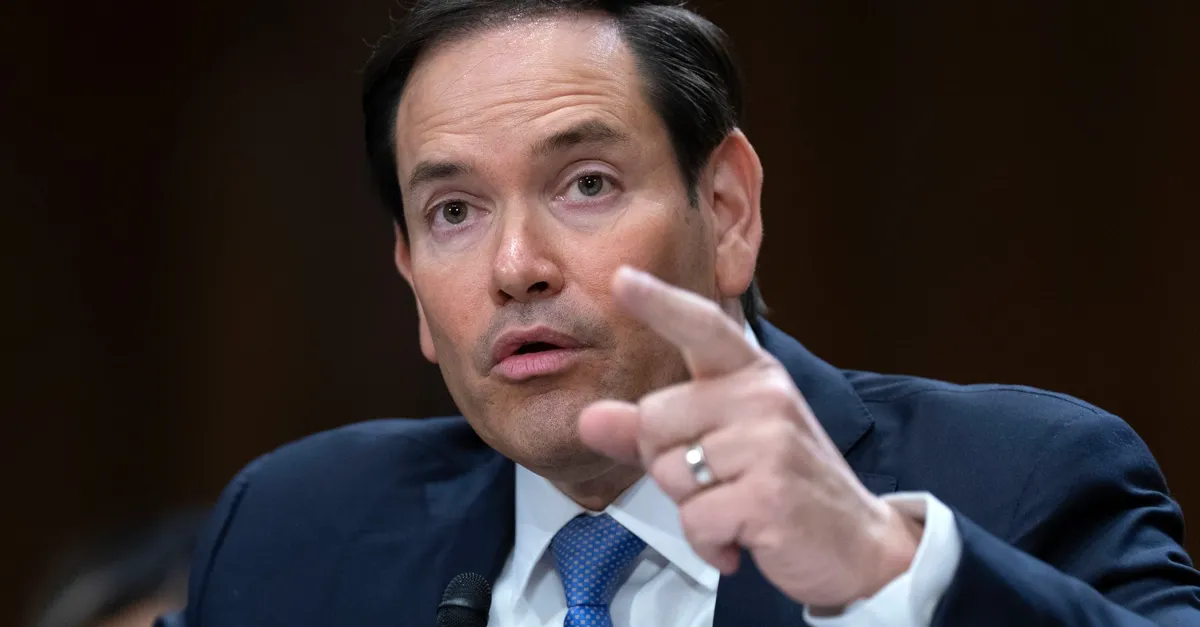
A dramatic turn of events unfolded on the sidelines of the UN General Assembly as US Secretary of State Marco Rubio abruptly ordered the Iranian delegation to leave US soil. According to Axios, citing a US official and a second source, Rubio's directive came after a meeting between US and Iranian officials failed to produce any breakthroughs. The talks, which had begun with optimism, stalled as both sides refused to budge from their positions.
The sudden collapse of the talks was marked by a stark contrast in atmosphere, from morning optimism to an impasse by the afternoon. US officials had initially seen a genuine opportunity for progress, but as the day wore on, it became clear that neither side was willing to make concessions. The failure to reach an agreement led Rubio to instruct the US mission to the UN to inform the Iranian delegation that they must leave New York immediately.
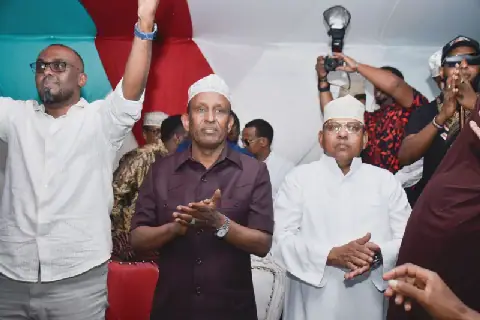
The Iranian delegation, led by Foreign Minister Abbas Araghchi, complied with Rubio's directive, departing for Doha on a flight that took off at 1:20 am on Tuesday. However, a source close to the matter suggested that Araghchi had already planned to return to Tehran on Monday night, raising questions about the true nature of Rubio's order. This has sparked debate over whether the US move was a genuine attempt to pressure Iran or simply a diplomatic maneuver.
A US official described the situation as Rubio "kicking out" the Iranian delegation, which had overstayed its welcome. The official's comments underscored the deep-seated tensions between the two sides and the significant gap between their positions. The collapse of the talks has raised concerns about the prospects for future negotiations and the potential for escalation in the region.
Despite the setback, Qatari mediators have continued to engage with both sides, seeking to broker a breakthrough. According to regional sources, Qatar has been working to facilitate a middle-ground proposal, but so far, progress has been elusive. The Qatari efforts suggest that diplomatic channels remain open, even if the talks have stalled.
In a separate development, US President Donald Trump weighed in on the situation, describing Iran as a "crazy regime." When asked about the possibility of a deal, Trump responded with a mix of belligerence and pragmatism, suggesting that the US might either "blow them up" or reach an agreement. Trump's comments have added to concerns about the potential for military conflict and the urgency of finding a diplomatic solution.
The collapse of the US-Iran talks has significant implications for regional stability and global security. As the situation stands, it remains unclear whether future negotiations will be possible or if the two sides will continue to engage in a cycle of recrimination and posturing. One thing is certain, however: the clock is ticking, and a resolution to the crisis will be needed soon to prevent further escalation.
Key points
- US Secretary of State Marco Rubio ordered the Iranian delegation to leave New York immediately after indirect talks failed to yield progress.
- The collapse of the talks has raised concerns about the prospects for future negotiations and the potential for escalation in the region.
- Qatari mediators continue to engage with both sides, seeking to broker a breakthrough.