As the world enters an era defined by Artificial Intelligence (AI), Africa has become a destination for technology companies searching for countries with the land, energy, and natural resources needed to power the digital economy. Governments across the continent are embracing digital transformation as a pathway to economic growth, with Kenya positioning itself as the 'Silicon Savannah', leveraging its strategic location, digital ecosystem, and connectivity through undersea fibre-optic cables to become East Africa's technology hub.
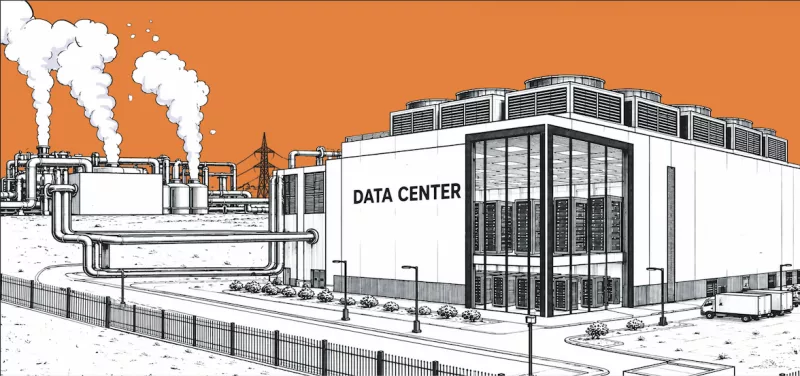
However, behind the promise of innovation lies an uncomfortable reality: the infrastructure powering the digital future depends on one of the most finite resources - water. The 'cloud' is not weightless and invisible, as every AI prompt, streamed movie, online payment, and cloud-stored document relies on vast data centres housing thousands of servers operating around the clock. These servers generate enormous amounts of heat and require substantial quantities of freshwater to remain operational.
Unesco estimates that AI could consume between 4.2 and 6.6 billion cubic metres of water annually by 2027, a volume exceeding the annual freshwater withdrawals of several countries. This begs the question: as Africa races to become a global digital powerhouse, are we paying enough attention to the environmental costs hidden behind the cloud? The timing could not be more significant, as Africa is pursuing digital transformation at the moment it has declared water security a continental priority.
The African Union's Africa Water Vision 2063 and the 2026 AU theme on sustainable water availability and sanitation recognise water as the foundation of health, food security, climate resilience, and sustainable development. Globally, Sustainable Development Goal 6 commits states to ensuring access to clean water and sanitation for all. However, approximately 19 million Kenyans lack access to basic water services, with many households coping with rationing, unreliable municipal supplies, or bearing the added financial burden of purchasing water.
Climate change is also intensifying droughts, placing even greater pressure on rivers, aquifers, and public water systems. Against this backdrop, the arrival of water-intensive digital infrastructure raises difficult questions about how scarce resources should be allocated. Kenya's constitution recognises the right to clean and safe water in adequate quantities, but leaves one crucial question unanswered: what exactly is "adequate", and who decides?
A proposed $1 billion Microsoft-G42 data centre in Olkaria was halted after concerns emerged that it would require approximately one gigawatt of electricity, almost one-third of Kenya's installed electricity generation capacity. The issue is not whether technology should be denied water but whether the allocation of finite water resources is transparent, equitable, and consistent with the state's constitutional obligations.
The digital economy must not become another chapter in the longer history of extraction. Kenya and other African countries should not be excluded from the opportunities presented by AI or the digital economy. The question is not whether to pursue digital transformation but what kind of digital future is being built.
Key points
- Africa's digital ambitions may undermine water security
- The digital economy's water footprint is substantial and growing
- Kenya's water resources are already under pressure