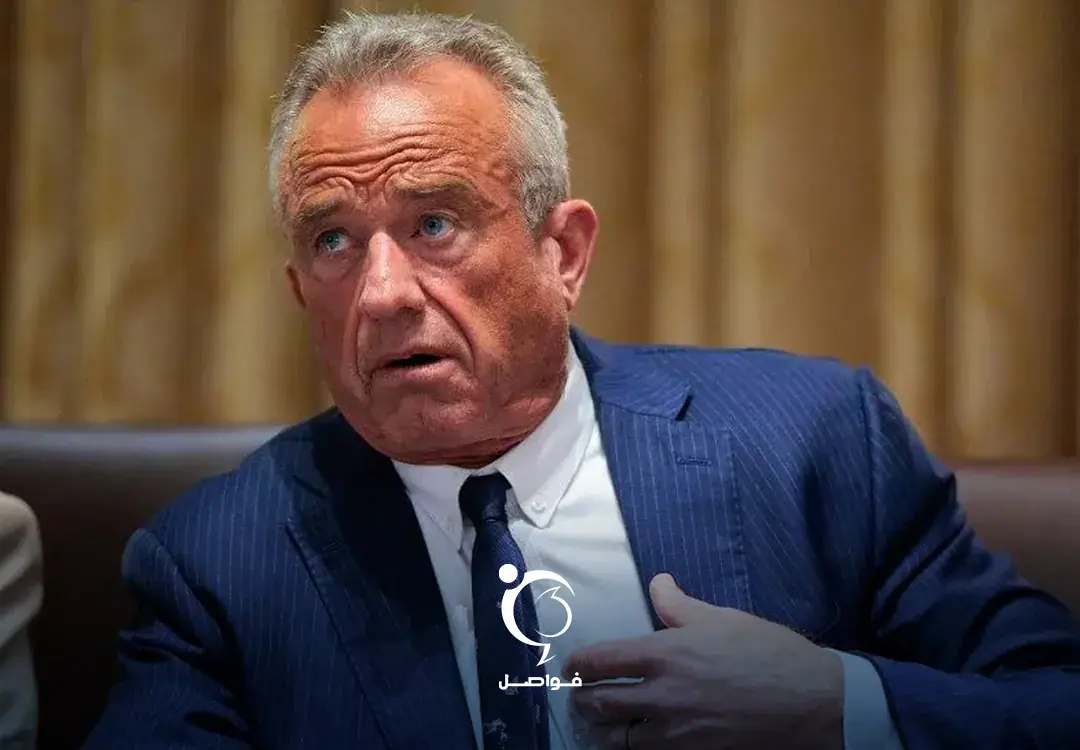
US Health and Human Services Secretary Robert F. Kennedy Jr. has stirred debate with remarks about the historical decline of Christian communities in the Middle East and North Africa. On October 26, during a Republican Party campaign event in Grand Rapids, Michigan, Kennedy mentioned Libya among countries with a rich Christian history. He claimed that these countries, including Egypt, Algeria, Iraq, and Lebanon, were once predominantly Christian.
Kennedy stated that Christians in these countries were "forced out," describing the situation as amounting to "genocide." His comments were made during a Republican Party campaign event in Michigan, ahead of the 2026 US midterm elections. As a member of the Kennedy family, Robert F. Kennedy Jr. is the son of Senator and former Attorney General Robert Kennedy and nephew of former US President John F. Kennedy.
The historical context of Christianity in Libya is complex. While there are records of Christian presence in the region, particularly during the Roman and Byzantine periods, the country's modern population is predominantly Muslim. The spread of Islam in the 7th century significantly altered the demographic makeup of the region.
Kennedy's comments have been met with mixed reactions. Some have expressed concern about the potential for misinformation or oversimplification of complex historical events. Others have criticized his remarks as insensitive or inaccurate. The controversy surrounding Kennedy's statements highlights the challenges of discussing sensitive topics, especially those related to history, identity, and politics.
The US midterm elections are scheduled to take place on November 8, 2026. The elections will determine control of Congress and various state offices. As a prominent figure in the Republican Party, Kennedy's comments may have implications for the party's stance on issues related to international relations, human rights, and cultural identity.
Libya has experienced significant turmoil in recent years, including a civil war that began in 2011 and ongoing efforts to stabilize the country's government and economy. The country's history and politics continue to be the subject of international attention and debate.
The controversy surrounding Kennedy's comments serves as a reminder of the importance of nuanced and informed discussions about history, politics, and culture. As the US and other countries continue to grapple with complex global issues, accurate and thoughtful communication will be essential for fostering greater understanding and cooperation.
Key points
- US Health Secretary Robert F. Kennedy Jr. sparked controversy with comments on Libya's Christian history.
- Kennedy claimed that Christians in Libya and other countries were "forced out," describing the situation as "genocide."
- The controversy highlights the challenges of discussing sensitive topics related to history, identity, and politics.