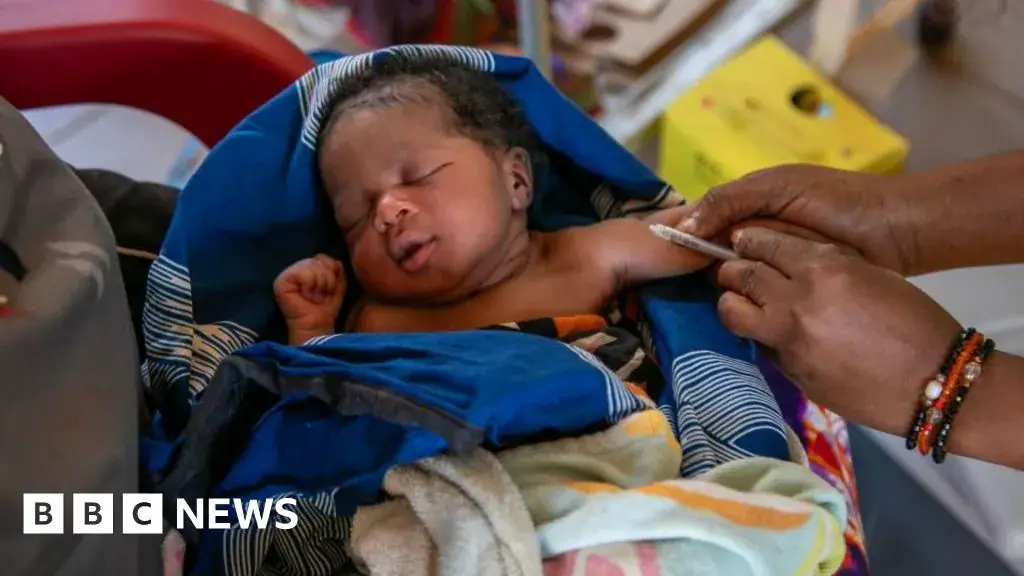
A proposed trial of a hepatitis B vaccine on newborn babies in Guinea-Bissau has been cancelled amid international criticism. The trial, funded by the US under Health Secretary Robert F Kennedy Jr, planned to withhold a vaccine recommended by the World Health Organization (WHO) from half of the participating newborns. The study was designed to involve 14,000 newborns at the Bandim Health Project, a research centre in Guinea-Bissau that has operated since 1978.
The trial aimed to investigate whether the hepatitis B vaccine given at birth has broader health effects beyond preventing infection. Previous studies in The Gambia and Guinea-Bissau have raised questions about a possible link to increased mortality. Researchers argued that because Guinea-Bissau does not currently offer routine hepatitis B vaccinations at birth, despite WHO recommendations, they have a unique opportunity to study its effects before such vaccines are introduced in 2028.
Critics questioned the ethics of withholding the vaccine from some babies, particularly in one of the world's poorest countries, where the infection is widespread. The WHO representative in Guinea-Bissau, Walter Kazadi Mulombo, expressed concerns about the study, citing that the vaccine has been used for over 30 years in more than 115 countries. He warned that babies could be exposed to the virus during childbirth if their mothers were infected, as well as later in life.
Nearly a fifth of the population of Guinea-Bissau are infected with hepatitis B, a viral infection that affects the liver. Those infected during infancy are particularly likely to develop chronic infections, which kill up to 25% of people, mostly through liver failure or liver cancer. The WHO is working with the government to bring forward the birth-dose vaccine, with plans to introduce it in the first quarter of next year.
The government of Guinea-Bissau prohibited hepatitis B vaccine trials involving children in January and requested a team of experts from the Africa Centres for Disease Control and Prevention (Africa CDC) to help evaluate the study. Health Minister Quinhin Nantote said the suspension remained in force and had not been overturned by the Council of Ministers. The dispute intensified after the University of Southern Denmark (SDU) said a revised study protocol had received ethical approval.
Police have seized a batch of hepatitis B vaccines from the Bandim Health Project's facilities in the capital, Bissau. The SDU dean, Jakob Grauslund, stressed that the trial had never started, no babies had been enrolled, and no vaccinations administered as part of the research. The US department of health and human services has been approached for comment.
The proposed trial was funded by the US government at a time of significant changes to vaccine policy under President Donald Trump and Health Secretary Kennedy. Critics have questioned whether the research could help support that policy shift, although the study's stated aim was to investigate potential effects of the vaccine beyond preventing infection.
Key points
- The trial was cancelled due to accusations of being "unethical" and "neocolonial".
- The WHO expressed concerns about the study, citing the vaccine's long history of use in over 115 countries.
- The government of Guinea-Bissau prohibited hepatitis B vaccine trials involving children in January.