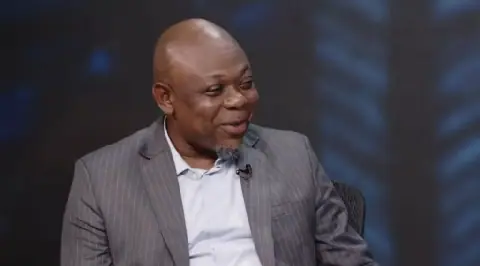
Moïse Katumbi, leader of the Ensemble pour la République party and member of the Article 64 coalition, has announced plans to meet with former Democratic Republic of Congo President Joseph Kabila in Goma. In an interview with Jeune Afrique, Katumbi stated that the coalition aims to expand its diplomatic efforts to promote a national dialogue. The meeting with Kabila is seen as a strategic move to garner support for the coalition's initiative.
The C64 coalition has been touring international capitals, including Paris, Brussels, Togo, Kenya, South Africa, Angola, and Uganda, to mobilize support for its proposed national dialogue. The coalition aims to involve armed groups in the dialogue, which has sparked questions about the conditions and guarantees of such a discussion. The initiative has been met with skepticism, with some wondering if it will lead to a genuine resolution to the conflict or merely serve as a platform for politicians to reposition themselves.
The conflict in Eastern DRC has resulted in significant human suffering, with local populations calling for concrete actions to address their security concerns. The C64 coalition's efforts have raised questions about its true intentions and the potential beneficiaries of the proposed dialogue. Critics argue that the initiative may be more focused on rebalancing power dynamics within the Congolese political landscape than on addressing the root causes of the conflict.
The choice of Goma as a meeting point with Kabila has sparked interest, given the city's strategic importance in the region. The C64 coalition's decision to engage with the former President has been seen as an attempt to build a broader coalition and give more weight to its initiative. However, it remains unclear how the coalition will address the complex issues of responsibility and accountability in the conflict.
The participation of armed groups in the proposed dialogue has raised concerns about the potential consequences for the country's institutions. Some have questioned whether the initiative will prioritize finding a peaceful resolution to the conflict or will create new power struggles within the Congolese elite. The C64 coalition's approach has been met with cautious optimism, with many awaiting concrete actions to address the humanitarian crisis in the East.
The DRC has been plagued by conflict and instability for decades, with the Eastern region being a hotspot of violence. The C64 coalition's initiative has been seen as a positive step towards finding a peaceful resolution, but its success will depend on the ability of the various stakeholders to work together. The international community has been closely watching the developments, with many calling for a genuine and inclusive dialogue.
As the C64 coalition prepares to meet with Kabila in Goma, the Congolese people remain hopeful that a peaceful resolution to the conflict can be found. The initiative has sparked a renewed debate about the way forward for the country, with many emphasizing the need for a genuine and inclusive dialogue. The outcome of the meeting and the coalition's broader efforts will be closely watched by both domestic and international stakeholders.
Key points
- The C64 coalition's initiative aims to promote a national dialogue to address the conflict in Eastern DRC.
- The meeting with Joseph Kabila in Goma is seen as a strategic move to garner support for the coalition's initiative.
- The participation of armed groups in the proposed dialogue has raised concerns about the potential consequences for the country's institutions.