The US Federal Reserve has opted to keep interest rates unchanged, maintaining its benchmark interest rate within the current 3.75%-4.00% range. This decision, made in a 10-2 vote, was widely expected and comes ahead of next week's US midterm elections. The Fed's move is seen as a cautious approach, awaiting further data on inflation trends. The central bank acknowledged that inflation "remains elevated," indicating a continued concern about price stability.
The Federal Reserve's latest policy statement hinted at potential future rate hikes, depending on inflation's performance. The committee emphasized that accumulating more information will help determine the appropriate policy stance to ensure a timely return of inflation to its 2% goal. Fed governor Lisa Cook and Cleveland Fed president Beth Hammack dissented in favor of a quarter-percentage-point rate hike. The Fed's assessment of the economy was upgraded to "strong" from the previous "solid" expansion, with robust investment and steady job gains.
The outcome of this week's meeting was largely anticipated, as top Fed officials had indicated no rush to raise rates again following last month's quarter-percentage-point increase. Despite stronger-than-forecast inflation data and concerns about broadening price pressures, the Fed chose to hold rates steady. Energy costs, including diesel fuel, remain high, affecting various industries such as shipping and agriculture. The cost of living and inflation have been central issues in the US midterm elections.
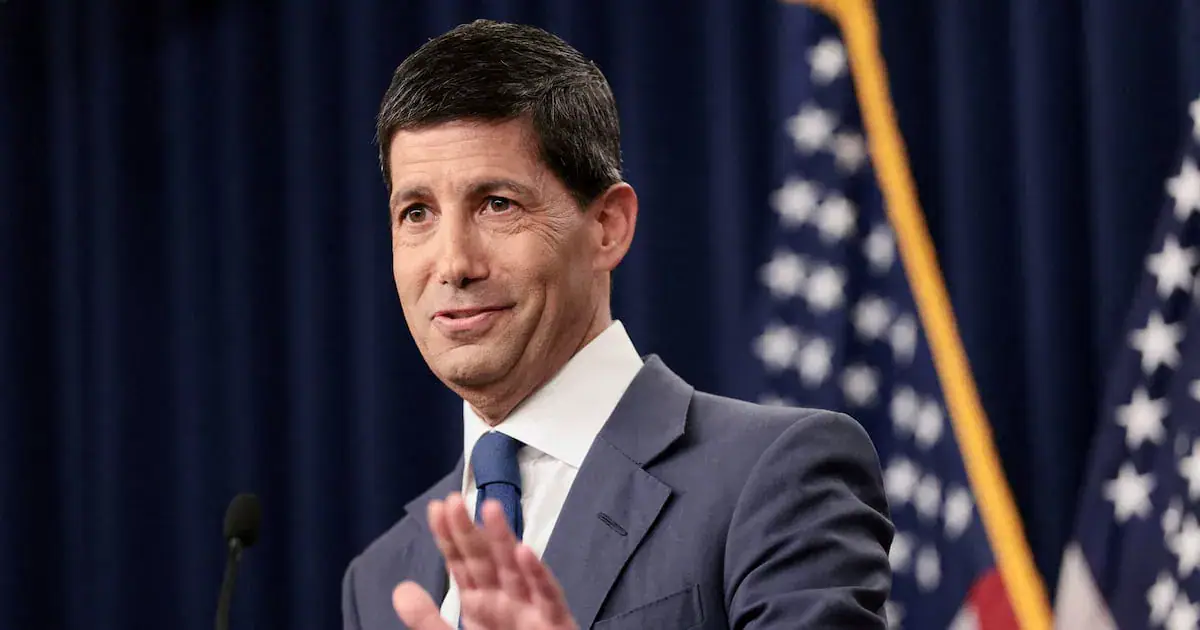
Fed chair Kevin Warsh stated that the US economy is not running too hot, despite demand pressures from the boom in AI investment. He emphasized that the Fed's goal is not to hinder economic growth. Warsh added that potential growth is difficult to determine and does not believe that growth itself is causing inflation. He also noted an improvement in productivity, which he believes has been moving higher in the economy.
The Federal Reserve has announced a change in its meeting schedule to better address major issues facing the central bank. Starting in 2027, one meeting will focus exclusively on broad monetary policy strategy, without a vote on the federal funds rate or a policy statement. This change aims to allow for more in-depth discussions on strategy. Warsh defended his colleagues amid pressure from President Donald Trump, describing the recent FOMC meeting as a "heck of a family fight."
Investors expect further rate hikes to be necessary, starting in December and continuing into 2027, to lower inflation, which is currently around a percentage point above the Fed's target. The US central bank has missed its inflation target for five-and-a-half years, raising concerns that businesses and households may be adapting to faster price increases. This could make inflation harder to control if not addressed.
The Federal Reserve's decision reflects its cautious approach to monetary policy, balancing the need to control inflation with the goal of sustaining economic growth. The central bank's actions will continue to be closely watched by investors, policymakers, and the general public, as the US economy navigates complex challenges. The Fed's commitment to price stability remains a top priority.
Key points
- The Federal Reserve maintains interest rates within the 3.75%-4.00% range.
- Inflation remains a concern, with the Fed's target still elusive.
- Future rate hikes may be necessary to control inflation.