The United States is home to various execution methods, with lethal injection being the most common, used in 28 states and at the federal level. In 2025, 39 out of 47 executions were carried out using this method. However, some states have faced challenges in procuring the necessary chemicals, leading to a resurgence of other methods. The use of lethal injection has been marred by controversy, with several botched executions reported over the years.
The state of Alabama made headlines in 2024 by using nitrogen inhalation as an execution method, a first in the world. However, experts from the UN have likened this method to a form of "torture." The use of nitrogen inhalation has been met with criticism, and its effectiveness has been questioned. In contrast, some states have opted for more traditional methods, such as electrocution and firing squads.
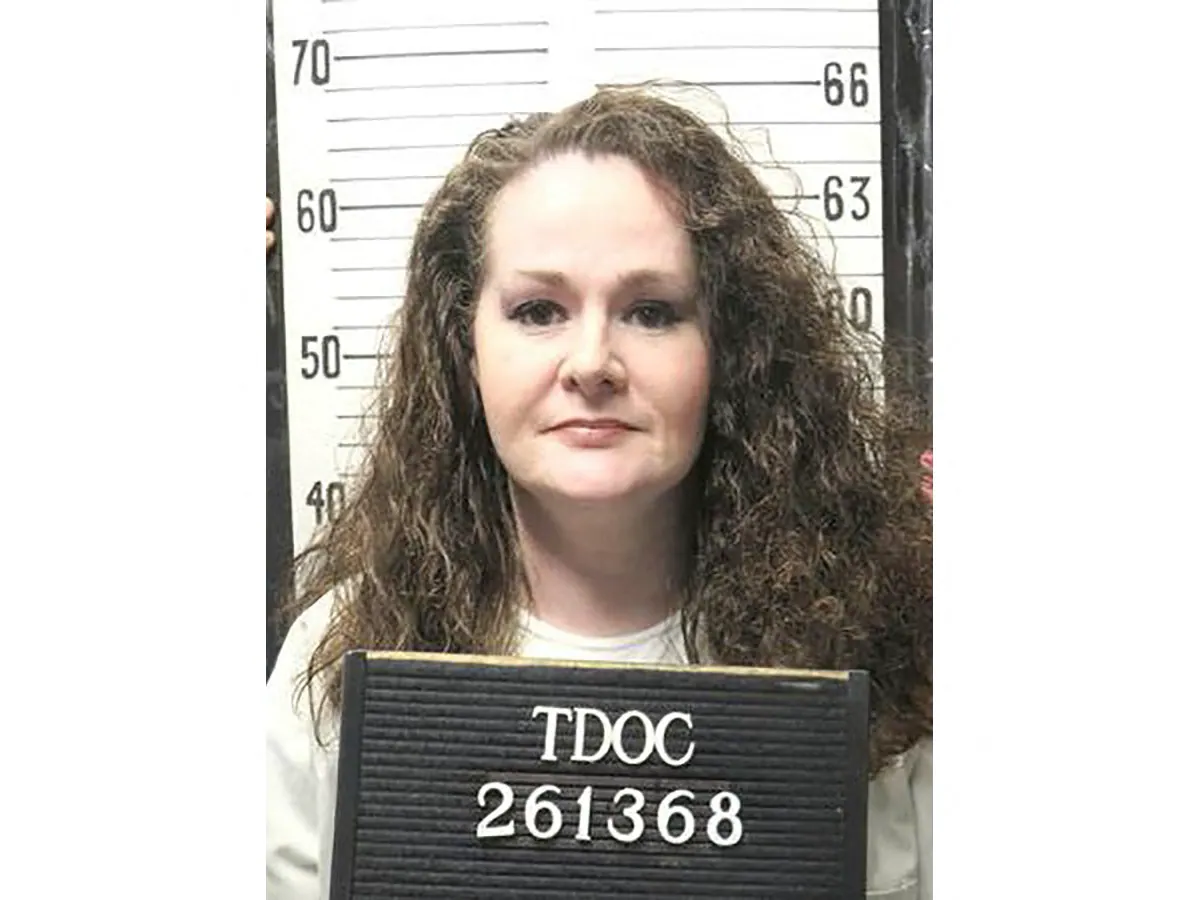
A string of botched executions has raised concerns about the efficacy of various methods. In 1983, John Evans's leg caught fire during an electrocution in Alabama, while in 2009, Romell Broom survived an attempted lethal injection in Ohio. More recently, Christa Pike's execution in Tennessee failed due to issues with the lethal injection protocol. These incidents have sparked renewed debate about the use of capital punishment in the US.
The challenges associated with execution methods have led some states to revisit their protocols. The state of Tennessee had imposed a moratorium on executions in 2022, only to resume lethal injections in 2025 with a revised protocol. Alabama, on the other hand, experimented with nitrogen inhalation in 2024 following a botched execution in 2022.
Experts argue that a lack of transparency surrounding executions is a significant contributor to the problems faced by US states. Laura Porter, director of a coalition of organizations advocating for the abolition of the death penalty, emphasizes the need for greater openness in the execution process. According to Porter, the secrecy surrounding executions makes it difficult to address issues with protocols and procedures.
The use of capital punishment in the US remains a contentious issue, with proponents arguing that it serves as a deterrent to crime, while opponents claim that it is inhumane and ineffective. As states continue to grapple with the challenges associated with execution methods, the debate is likely to persist. The American public remains divided on the issue, with opinions often influenced by personal experiences and moral convictions.
As the US continues to navigate the complexities of capital punishment, it is clear that the conversation is far from over. With various execution methods being used across the country, each with its own set of challenges and controversies, the need for a nuanced discussion has never been more pressing. Ultimately, the future of capital punishment in the US will depend on the outcome of this ongoing debate.
Key points
- The US is re-examining its execution methods after a failed killing in Tennessee.
- Lethal injection remains the most common execution method, used in 28 states and at the federal level.
- Experts argue that a lack of transparency surrounding executions is a significant contributor to the problems faced by US states.