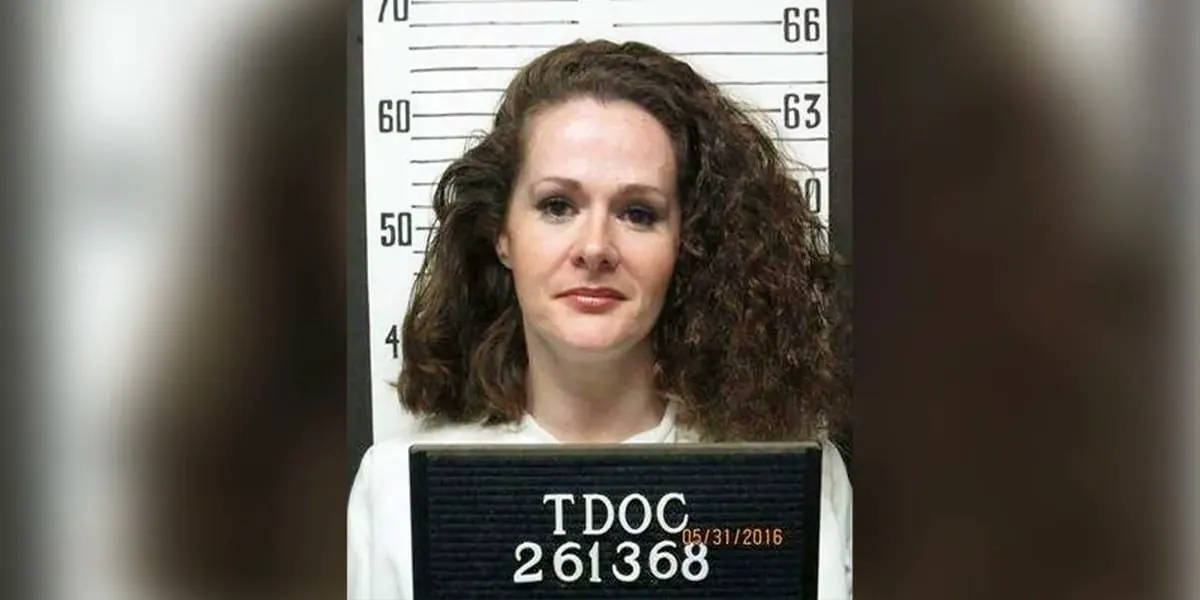
Christa Pike, a 50-year-old woman on death row in the United States, has regained consciousness after a botched execution attempt in Tennessee. Her lawyers announced on Tuesday, October 6, that she was now aware and able to speak, despite being placed on a ventilator after the failed lethal injection. According to her lawyers, Pike's condition remains uncertain, and her recovery is expected to be lengthy.
Pike had received two doses of pentobarbital during the execution attempt at Riverbend Maximum Security Institution in Nashville. The procedure was halted when prison officials encountered significant difficulties administering the products intravenously. Her lawyers reported that both of Pike's arms were severely damaged, with swelling, burns, and blisters. The pentobarbital had apparently penetrated the tissues instead of entering the bloodstream.
The failed execution attempt has taken an exceptional turn in the United States. Christa Pike is considered the first person known to have survived after receiving lethal doses intended for execution. She was convicted of murdering 19-year-old Colleen Slemmer in 1995, when Pike was 18 years old. Her lawyers had cited her history of sexual violence, trauma, and mental health issues to request commutation of her sentence.
The Governor of Tennessee, Bill Lee, had rejected the request for commutation just days before the execution. The failed procedure has led to consequences for the prison administration. The Governor has suspended scheduled executions in the state for the remainder of the year and ordered an independent investigation. The head of the Tennessee prison department has also announced his departure.
The medical prognosis for Christa Pike remains uncertain, and her lawyers indicate that a long recovery period is expected. An audience was scheduled for Wednesday to examine requests from her legal team regarding the preservation of evidence and documents related to the botched execution.
Pike's case has drawn significant attention due to its exceptional nature. Her lawyers had argued that her troubled past and mental health issues should be taken into account. The Governor's decision to reject the request for commutation has been questioned by some, who argue that it was an opportunity to show mercy.
As Christa Pike continues to receive intensive medical care, her case raises questions about the use of lethal injection as a method of execution. The incident has sparked a renewed debate about the ethics and efficacy of capital punishment in the United States.
Key points
- Christa Pike, 50, survives a botched lethal injection in Tennessee.
- Pike's lawyers report that her condition remains uncertain and her recovery is expected to be lengthy.
- The Governor of Tennessee has suspended scheduled executions in the state for the remainder of the year.