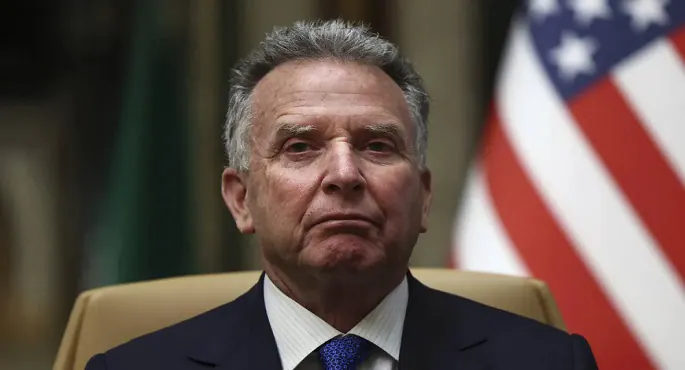
US Special Envoy Steve Wittkoff said on Wednesday that he had held extensive talks with an Iranian delegation on the sidelines of the UN General Assembly. The discussions, which were facilitated by mediators, lasted throughout the day. Wittkoff expressed hope that the talks would prove to be constructive and promising, adding that the mediators would continue their work.
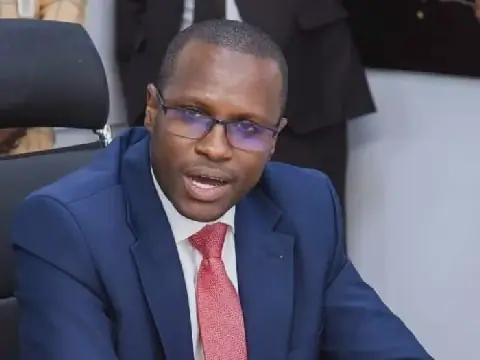
Iranian Foreign Ministry spokesperson Ismail Baqai said that Tehran had communicated with the US in New York through a Qatari mediator. Baqai stated that Iran's conditions for talks included an end to the war on all fronts, cessation of what it termed as US "aggressive actions", and the lifting of the maritime blockade and economic sanctions. He also mentioned that Iran sought the release of its frozen assets.
A US source who attended the meeting between the Iranian and US delegations in New York said that the chances of reaching an agreement between the two sides were limited. The source cited significant differences and obstacles between the parties, including Washington's refusal to lift the blockade on Iran. This development comes after a high-ranking source confirmed that the New York meeting had helped to break the deadlock in negotiations.
The US source also mentioned that the Iranian delegation, which met with Wittkoff and Jared Kushner, had full authority to negotiate. The talks were described as a positive step, with the possibility of a breakthrough between the US and Iran seen as feasible but requiring multiple steps. The discussions focused on key issues, including the opening of the Strait of Hormuz and the easing of sanctions and the blockade.
US President Donald Trump had previously announced that "very productive" talks had taken place between Iranian and US officials on the sidelines of the UN General Assembly. Trump described the three-hour meeting as "very good and very productive", adding that further discussions would take place in the near future. The talks were seen as a significant development, with Trump expressing optimism about the prospects for an agreement.
The Iranian delegation's meeting with US officials came after Trump's threat to destroy Iran if no agreement was reached. In a speech to the UN General Assembly, Trump had warned that he would not allow Iran to possess nuclear weapons. He described the decision on whether to reach an agreement with Iran or take more drastic action as a "big decision", citing the possibility of either a negotiated settlement or the destruction of the Iranian regime.
The outcome of the talks remains uncertain, with the two sides facing significant differences. However, the fact that the talks took place and were described as productive by both sides is seen as a positive development. The US and Iran have not held direct talks since July, when an interim agreement collapsed. The situation remains complex, with the international community closely watching developments.
Key points
- The US and Iran have held talks on the sidelines of the UN General Assembly, with the US expressing hope for a constructive outcome.
- The talks focused on key issues, including the easing of sanctions and the blockade, and the opening of the Strait of Hormuz.
- The outcome of the talks remains uncertain, with significant differences between the two sides.