The United States completed its withdrawal of military forces from Iraq on September 30, 2026, bringing an end to a military presence that began with the 2003 invasion that ousted Saddam Hussein. The withdrawal was initially set to be completed by September 30, 2026, but was later extended to September 30, 2027. The US had previously withdrawn its forces from Iraq in 2011, only to return in 2014 to help defeat the Islamic State (ISIS).
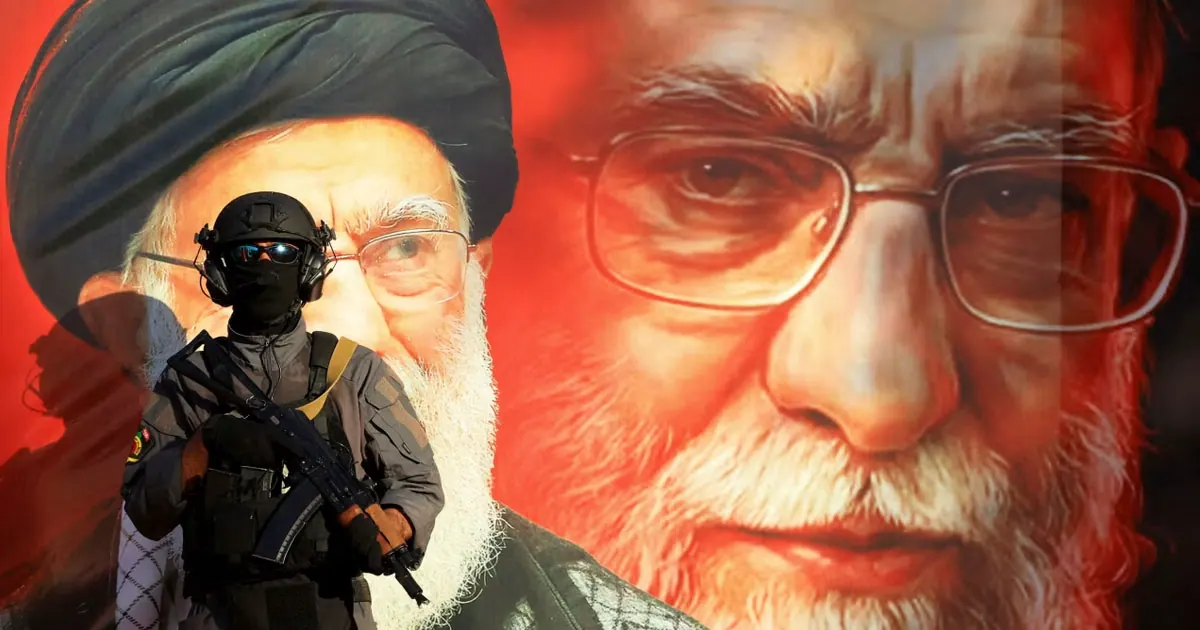
The withdrawal of US forces has left Iraq with a power vacuum, with Iranian-backed militias now in a position of strength. The Iraqi Prime Minister, Ali al-Zaidi, had hoped to disarm these militias as part of the US withdrawal agreement, but this has not been achieved. The militias, which include groups such as the Sayyid al-Shuhada Brigades, have been accused of carrying out attacks on US diplomatic and military installations in Iraq.
According to the Wall Street Journal, Iranian-backed militias have carried out over 600 attacks on US installations in Iraq in the past two months alone. The US Embassy in Baghdad has issued frequent security warnings to US citizens and other nationals, citing the risk of kidnapping. A team of journalists from the Wall Street Journal was forced to leave Baghdad after receiving warnings from US, Iraqi, and European officials about a security threat.
US officials have stated that Iran continues to support these militias, providing them with arms, drones, and missiles. A US official noted that the flow of arms from Iran had initially slowed, but has since increased, with recent attacks involving longer-range missiles and drones. The US has expressed concerns about the growing influence of Iranian-backed militias in Iraq and the potential for further conflict.
Prime Minister al-Zaidi has faced criticism for his handling of the militias, with some accusing him of being too close to the groups. Al-Zaidi's family has been accused of having ties to Iran, and the US Treasury Department had previously imposed sanctions on a bank owned by the family. Al-Zaidi has denied any wrongdoing and has stated that his government is committed to disarming the militias.
However, disarming the militias will not be an easy task. Kadhim al-Fartousi, a spokesperson for the Sayyid al-Shuhada Brigades, has stated that the group's arms are a guarantee of its sovereignty and freedom. Al-Fartousi has also noted that the group and other militias have a significant presence in the Iraqi government and parliament, and will not be easily disarmed.
The US withdrawal from Iraq has raised concerns about the country's stability and the potential for further conflict. The US has stated that it will maintain a presence in the region, including intelligence and reconnaissance capabilities, but it is unclear what role it will play in Iraq in the future. The withdrawal has also highlighted the ongoing tensions between the US and Iran, and the potential for Iraq to become a battleground in the conflict.
Key points
- The US withdrawal from Iraq has left a power vacuum, with Iranian-backed militias now in a position of strength.
- The Iraqi government faces challenges in disarming the militias, which have a significant presence in the government and parliament.
- The US withdrawal has raised concerns about the stability of Iraq and the potential for further conflict.