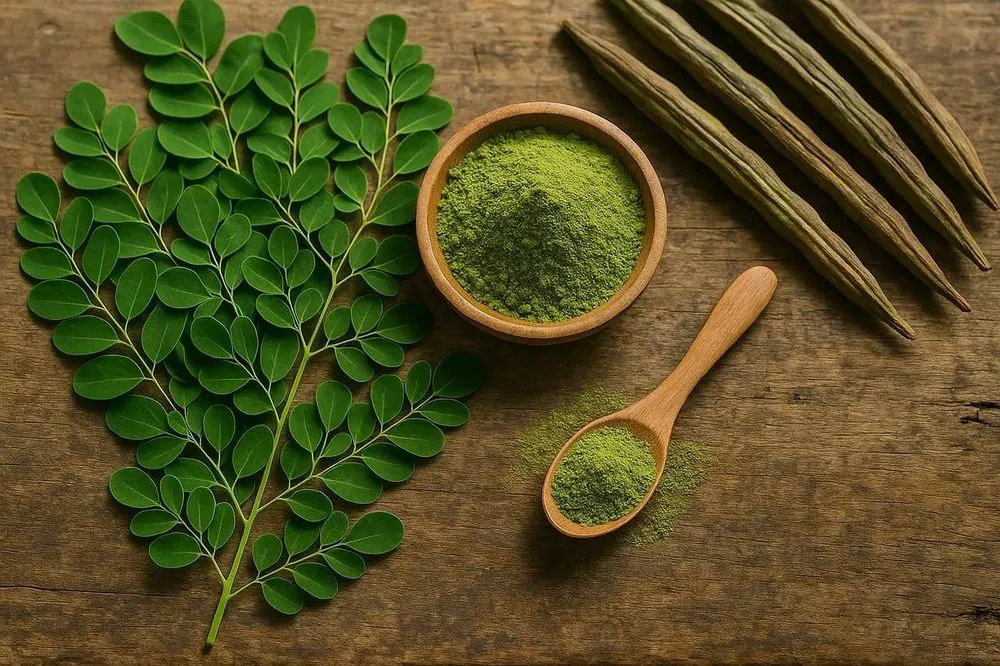
Moringa oleifera, also referred to as the drumstick tree, horseradish tree, and "miracle tree," is a fast-growing tree native to South Asia, found in parts of Africa, South America, and Asia. The plant belongs to the brassica family, which includes vegetables like kale, broccoli, and Brussels sprouts. Almost every part of the tree has been used as food or in traditional medicine, with moringa leaf powder and leaf extract being the most popular forms.
Moringa leaves are a rich source of essential nutrients, including protein, fibre, vitamins A, B6, and C, riboflavin, iron, magnesium, and calcium. They also contain 18 amino acids, including all nine essential amino acids that the human body cannot produce on its own. Dried moringa powder is more concentrated than fresh leaves, making it a popular addition to smoothies, juices, and other foods.
Research suggests that moringa may have several potential health benefits, although it should not replace medical treatment. The plant's compounds, including chlorogenic acid and isothiocyanates, may help with blood glucose management. A clinical study found that women taking moringa leaf powder daily for three months experienced a reduction in fasting blood sugar. Additionally, moringa leaves may help lower LDL cholesterol and triglycerides, while antioxidants like quercetin may protect blood vessels from oxidative damage.
Moringa contains anti-inflammatory compounds, including isothiocyanates and niazimicin, which may support digestion and bowel movements. The plant's natural antimicrobial and laxative properties may also protect liver cells against oxidative damage and reduce fat accumulation. Furthermore, moringa's vitamins, minerals, and antioxidants have been linked to energy, brain health, and skin health.
Despite its potential benefits, moringa is not suitable for everyone. Pregnant women should avoid moringa roots, bark, and concentrated extracts, as they may trigger uterine contractions. Breastfeeding women should also exercise caution due to insufficient clinical data on active compounds passing into breast milk. Additionally, moringa may interact with medications, including diabetes medication, blood pressure medication, and thyroid medication.
When consuming moringa, it's essential to be aware of potential side effects, including stomach cramps, nausea, heartburn, and diarrhoea. Starting with a small amount may help individuals gauge their body's response. To ensure safety, choose reputable products that have been tested for contaminants, and consult with a healthcare professional before using moringa supplements, especially if pregnant, breastfeeding, or taking chronic medication.
To incorporate moringa into your diet safely, start with a small amount and choose products that clearly identify Moringa oleifera leaves. Look for products that have been third-party tested, and consider consulting with a healthcare professional before adding moringa supplements to your routine. While moringa is nutrient-dense and may offer several health benefits, it should not replace a balanced diet, healthy lifestyle, or prescribed medication.
Key points
- Moringa oleifera has potential health benefits, including blood sugar management and anti-inflammatory properties.
- The plant may interact with certain medications and is not suitable for pregnant or breastfeeding women.
- Choosing reputable products and consulting with a healthcare professional can help ensure safe consumption of moringa supplements.