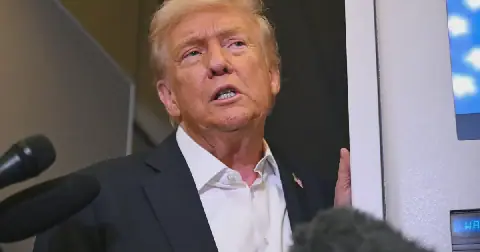
The recent meeting between US President Donald Trump and Chinese President Xi Jinping in Washington was marked by a mix of ceremony and tension. The two leaders discussed various issues, including trade, security, and technology. However, the talks were overshadowed by reports that China had supplied Iran with equipment used to manufacture drones and missiles. The US has expressed concerns over China's support for Iran, which it sees as a threat to regional stability.
The US-China relationship has been strained in recent years, with both countries engaging in a trade war and competing for influence in areas such as technology and artificial intelligence. The US has also expressed concerns over China's growing military presence in the Asia-Pacific region. Despite these tensions, the two leaders have sought to maintain a dialogue, with Trump and Xi agreeing to continue talks on key issues.
China has a long history of engagement with the Middle East, dating back to the 15th century when Chinese admiral Zheng He led several naval expeditions to the region. Zheng He's voyages took him to the Persian Gulf, where he established trade relations with local rulers. In more recent times, China has sought to expand its economic and strategic influence in the region, including through its Belt and Road Initiative.
The US has accused China of providing military equipment to Iran, which has raised concerns about the potential for conflict in the region. China has denied these allegations, but the US has pointed to reports that Chinese companies have supplied Iran with equipment used to manufacture drones and missiles. The issue has added to tensions between the US and China, which have already been strained by trade and security disputes.
The US-China relationship is also influenced by their competing interests in areas such as technology and artificial intelligence. The US has expressed concerns over China's growing capabilities in these areas, which it sees as a threat to its national security and economic interests. China, on the other hand, has sought to promote its own technological development and has invested heavily in areas such as AI and 5G communications.
Despite these tensions, the US and China have continued to engage in dialogue, with both sides seeking to find areas of common interest. The two countries have cooperated on issues such as climate change and non-proliferation, and have sought to promote economic ties. However, the relationship remains complex and is influenced by a range of factors, including history, geopolitics, and competing national interests.
The US-China relationship is likely to continue to be shaped by their competing interests and historical context. The two countries will need to navigate these complex issues in order to build a more stable and cooperative relationship. This will require a deep understanding of their respective interests and a willingness to engage in dialogue and compromise. KEY_POINT: The US-China relationship is influenced by a complex history and competing national interests. KEY_POINT: The two countries have competing interests in areas such as technology and artificial intelligence. KEY_POINT: Despite tensions, the US and China have continued to engage in dialogue and seek areas of common interest.