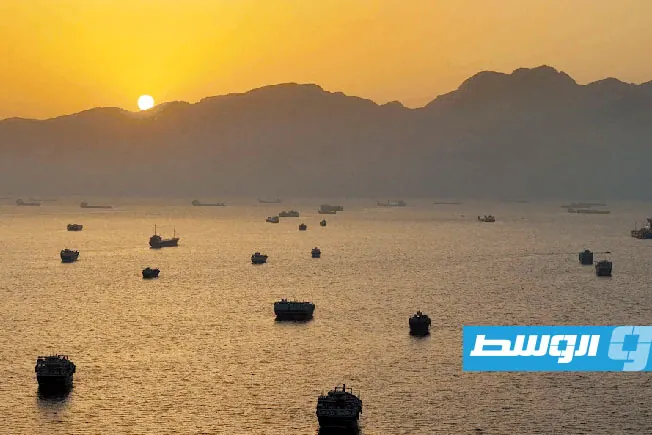
The US Central Command reported that oil and liquefied natural gas shipments through the Strait of Hormuz have reached their highest level in six months. This development indicates that efforts to increase maritime security and mine clearance are yielding results. According to Admiral Brad Cooper, commander of the US Central Command, the momentum is clearly increasing.
The surge in shipments comes as the region continues to experience heightened military tensions. The Strait of Hormuz is a critical waterway for global energy supplies, with over a billion barrels of crude oil transported through it in the past two months alone. The US, along with Gulf states and maritime companies, is working to ensure the safe passage of oil and other goods through the strait.
Despite the increase in shipments, concerns about regional stability persist. Iran has threatened to close the strait, while the US has maintained a naval presence in the region to deter such actions. The situation escalated recently with a drone attack on a Saudi Arabian pipeline, which led to its temporary shutdown. The US has warned of potential escalation and advised its citizens to reconsider travel to the region.
The increase in oil shipments is a positive sign for global energy markets, which have been impacted by supply disruptions in the region. The US Energy Secretary, Chris Wright, noted that the markets will continue to rely on the safe passage of around 10 million barrels of oil per day through the Strait of Hormuz. He added that while the current market is tighter than desired, it is not severely constrained.
The Strait of Hormuz has been a focal point of tensions between the US and Iran, with the US imposing sanctions on Iranian oil exports. The situation has led to concerns about potential disruptions to global energy supplies. In response, the US has worked to strengthen its military presence in the region and coordinate with regional partners to ensure maritime security.
Recent attacks on Saudi Arabian targets, including a drone strike on a Riyadh airport, have heightened concerns about regional stability. The US has condemned the attacks and warned of potential escalation. The situation remains complex, with multiple factors contributing to the tensions in the region.
The development highlights the critical importance of the Strait of Hormuz for global energy supplies. The waterway is a vital transportation route for oil and other goods, and its security is essential for regional and global stability. Key players, including the US, Saudi Arabia, and Iran, will continue to play a significant role in shaping the security landscape in the region.
Key points
- The Strait of Hormuz has seen a significant increase in oil shipments, reaching a six-month high.
- The US Central Command has attributed the increase to improved maritime security and mine clearance efforts.
- The region remains volatile, with ongoing tensions between the US and Iran, and recent attacks on Saudi Arabian targets.