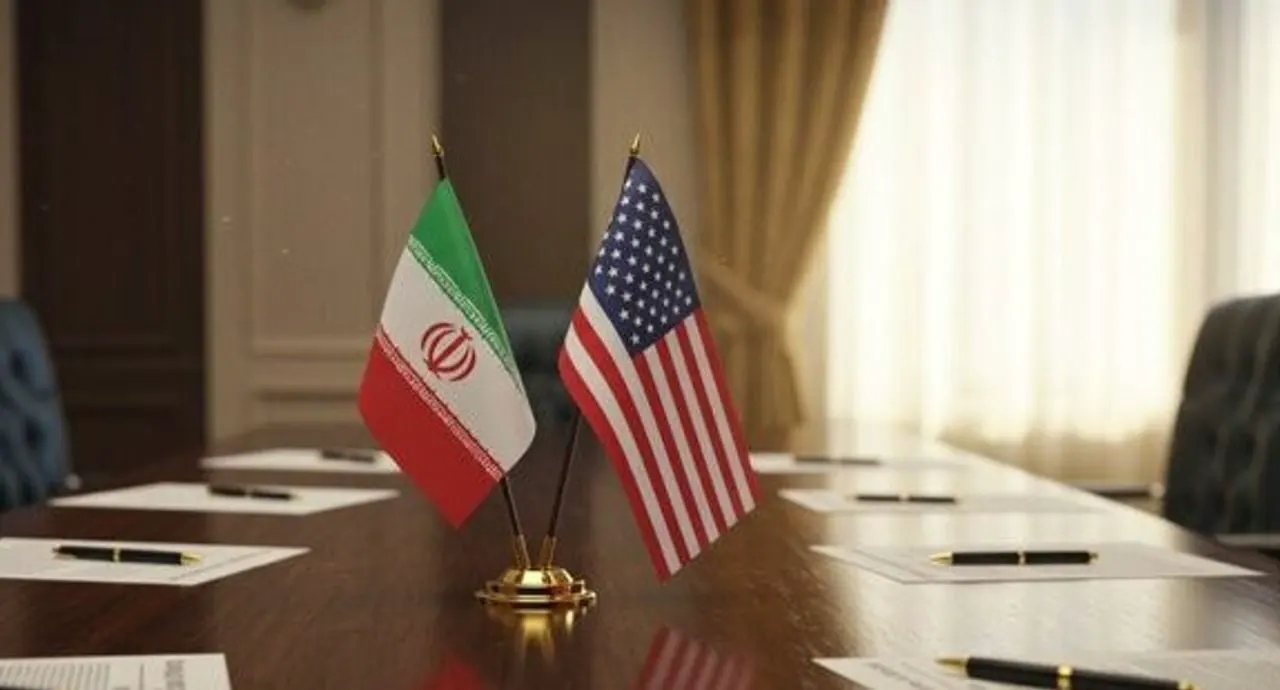
Negotiators gathered in New York are examining a two-phase Iranian plan to reopen the Strait of Hormuz, which has been closed since late February. The plan, presented by Iranian Foreign Minister Abbas Araghchi, involves a seven-day initial phase where all hostilities in the Middle East, including in Lebanon and Yemen, would cease. Additionally, Iranian assets estimated to be worth at least $12 billion would be unfrozen, sanctions on oil exports would be lifted, and the US naval blockade on Iranian ports would end.
The second phase of the plan would involve the reopening of the Strait of Hormuz. A senior Iranian official summarized the approach, stating that a solution would be to "resolve the crisis in stages." The US President has maintained a firm stance, saying that the US is in a "very strong position" and does not need to negotiate urgently. However, Tehran has threatened new strikes in the absence of a response. Both parties share a calendar interest, with each preferring to conclude before the US midterm elections on November 3.
The stakes remain significant for the markets, as the Strait of Hormuz was transporting about a fifth of the world's oil and liquefied natural gas before its closure, with around 125 commercial vessels passing through daily. The Gulf's oil exports have now dropped to around 15-16 million barrels per day, down from 25 million before the conflict, and the Brent barrel is trading above $100. Morocco, a net importer of refined products, is directly affected by the rising oil prices.
In Morocco, the prices of fuel have been increased twice in September, with diesel reaching around 15.35 dirhams per liter and gasoline exceeding 15.20 dirhams. The energy bill is one of the most sensitive assumptions in the 2027 finance bill that the new government will have to carry. The impact of the crisis on the global economy and oil markets continues to be felt, with many countries watching the developments closely.
The Iranian plan has been met with skepticism by some, who question whether Tehran is genuinely willing to compromise. However, the fact that both parties are engaging in talks suggests that there may be a willingness to find a solution. The US and Iran have a history of difficult negotiations, but the current situation appears to be driving them towards a more constructive dialogue.
The situation in the Strait of Hormuz remains a critical issue, with many experts warning of the potential consequences of a prolonged closure. The global economy is heavily reliant on the stable flow of oil and gas through the strait, and any disruption could have far-reaching impacts. The talks between the US and Iran are therefore being closely watched by many countries, including Morocco.
As the negotiations continue, the parties are likely to face significant challenges in reaching an agreement. However, the fact that they are engaging in talks suggests that there may be a way forward. The coming weeks will be crucial in determining the outcome, with many hoping that a solution can be found before the US midterm elections.
Key points
- The US and Iran are discussing a two-phase plan to reopen the Strait of Hormuz.
- The plan involves a seven-day initial phase where hostilities would cease and Iranian assets would be unfrozen.
- The situation remains critical for the global economy, with many countries watching the developments closely.