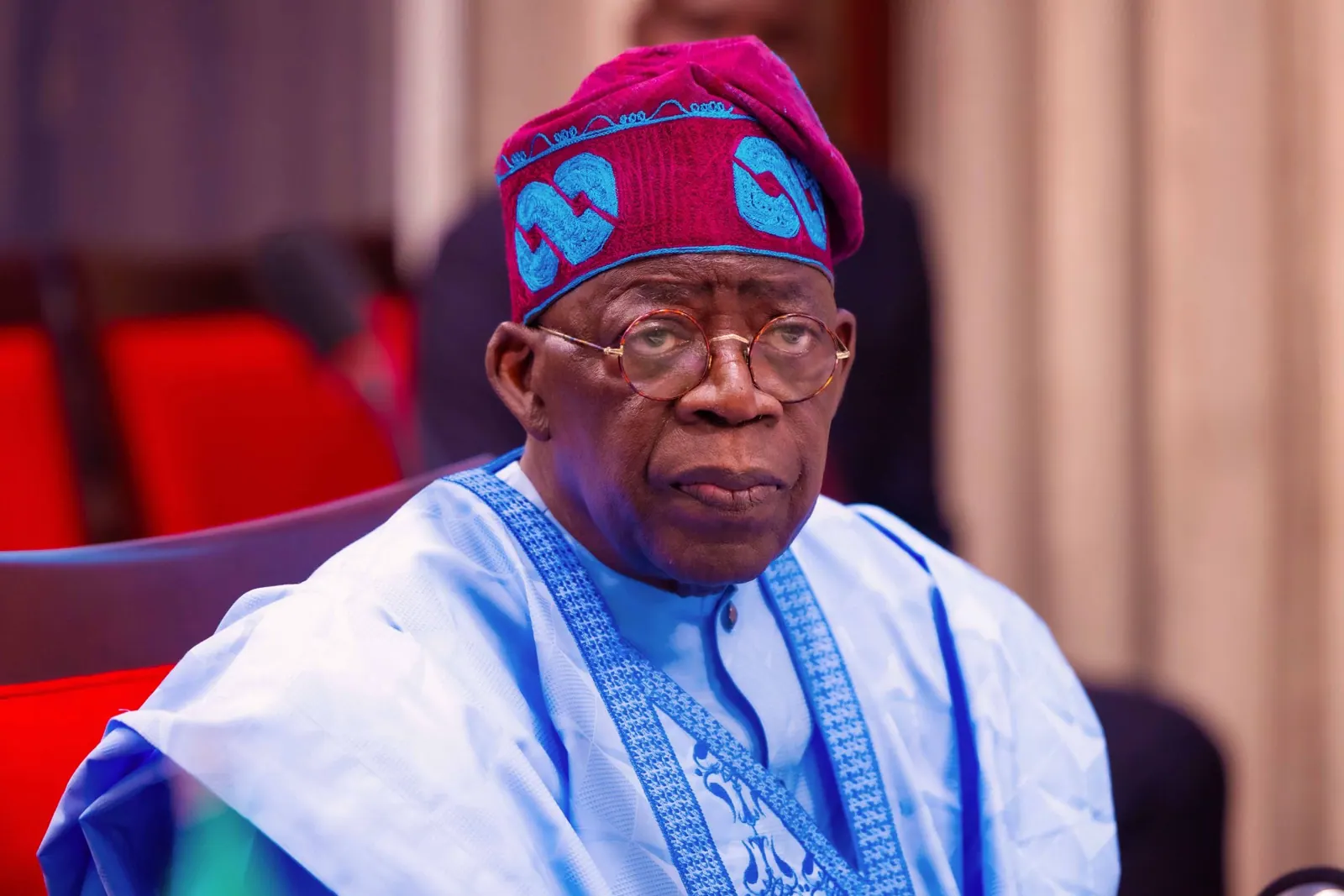
The United States Drug Enforcement Administration (DEA) has defended its decision to withhold specific investigative records related to an ongoing probe involving Nigerian President Bola Tinubu. In a court filing on September 23, 2026, the US government cited the need to protect its sources and investigative methods. This case was filed under the Freedom of Information Act before a Washington DC court. The DEA's filing is a response to a request by American activist Aaron Greenspan for old records from US agencies on investigations linked to Tinubu and others.
The case involves sensitive details linked to law enforcement and the DEA's investigations. According to the DEA, the files contain different investigation reports written during its operations, including reports labelled DEA-6, DEA-292 and DEA-210. The agency emphasized that information about its confidential sources is highly protected under US freedom of information law. The DEA used sworn statements and a detailed index to explain why some parts of the files cannot be released.
The US government's defence for withholding the files was based on the significant protections afforded to prevent the disclosure of confidential source information. The DEA determined that the significance of exempting this type of information outweighed the relatively insignificant public interest in the disclosure of the information. This justification is in line with US freedom of information laws, which allow for the protection of sensitive information.
The filing is part of an ongoing legal battle over access to information related to President Tinubu. Aaron Greenspan had requested the records as part of his efforts to obtain information on investigations linked to Tinubu and others. The case has sparked interest in the transparency of US law enforcement agencies and their handling of sensitive information.
The DEA's decision to withhold the files highlights the tension between the need for transparency and the need to protect sensitive information. The agency's emphasis on protecting its sources and investigative methods is in line with its mandate to enforce US laws and regulations. The case will likely continue to be closely watched by those interested in issues of transparency and accountability.
President Tinubu has not publicly commented on the matter. His administration has not issued a statement on the DEA's decision to withhold the files. The Nigerian government has historically cooperated with US law enforcement agencies on issues related to drug trafficking and other crimes.
The case raises questions about the extent to which US law enforcement agencies will go to protect their sources and investigative methods. The DEA's defence of its decision to withhold the files underscores the complexities of balancing transparency with the need to protect sensitive information.
Key points
- The US DEA has withheld files on President Bola Tinubu citing the need to protect sources and investigative methods.
- The case is part of a Freedom of Information Act request by American activist Aaron Greenspan.
- The DEA's decision highlights the tension between transparency and the need to protect sensitive information.