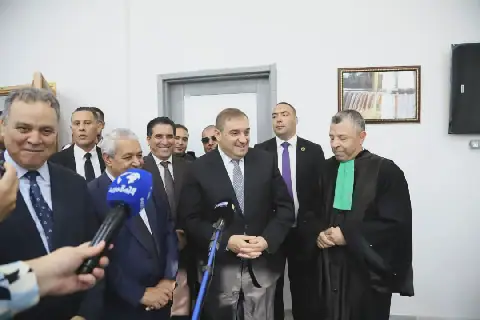
In a recent interview with Sky News Arabia, Maceed Pulus, senior advisor to the US President on Arab and African affairs, discussed several key issues related to Sudan. The conversation was part of the "Nabud Al-Watan" program and touched on various aspects of the ongoing conflict in Sudan. Pulus provided insight into the US perspective on the crisis, highlighting the complexities of the situation. The interview has sparked significant interest and debate among Sudanese citizens and analysts.
Pulus addressed the issue of the Sudanese army's actions in the face of rebellion, stating that the African Union does not justify the army's actions as a legitimate defense of the state. The US, he said, does not recognize the current government in Sudan but rather deals with it as a de facto authority. This stance has raised questions about the consistency of international reactions to similar situations in other countries. Critics argue that such double standards can undermine the credibility of international organizations and their responses to crises.
The US advisor also discussed the national dialogue in Sudan, emphasizing that it should be based on the Quad's framework and should include all relevant parties. However, he noted that certain groups, including Islamist and extremist factions, should be excluded from the dialogue. This selective approach to inclusivity has sparked concerns about the feasibility and legitimacy of the proposed dialogue. The exclusion of certain groups may hinder the prospects of a comprehensive and sustainable resolution to the conflict.
Pulus highlighted the importance of a civilian-led government in Sudan, stating that the US does not envision the current warring parties retaining power in the future. He suggested that a technical and cooperative approach with the Organization for the Prohibition of Chemical Weapons could help address the issue of chemical weapons. The US stance on the future of Sudan's governance has significant implications for the country's military and political landscape.
The advisor's comments have been met with interest and scrutiny in Sudan, with many questioning whether the US vision for the country's future aligns with the aspirations of Sudanese citizens. The conversation has also sparked debate about the role of external actors in shaping Sudan's future and the potential consequences of their involvement. As Sudan navigates its complex crisis, the international community's stance and actions will likely play a crucial role in determining the country's trajectory.
The conflict in Sudan has resulted in significant human suffering and displacement, with many civilians caught in the middle of the fighting. The international community has a critical role to play in supporting efforts to resolve the crisis and promote peace and stability in the region. The US, as a key player in international diplomacy, has a significant stake in the outcome of the conflict and has reiterated its commitment to finding a peaceful solution.
As Sudan continues to grapple with its crisis, the US stance on the country's future will remain a subject of interest and debate. The conversation between Pulus and Sky News Arabia has provided valuable insights into the US perspective on the conflict, highlighting the complexities and challenges involved in finding a resolution. The situation in Sudan remains fluid, and the international community will be watching closely as developments unfold.
Key points
- The US does not envision the current warring parties in Sudan retaining power in the future.