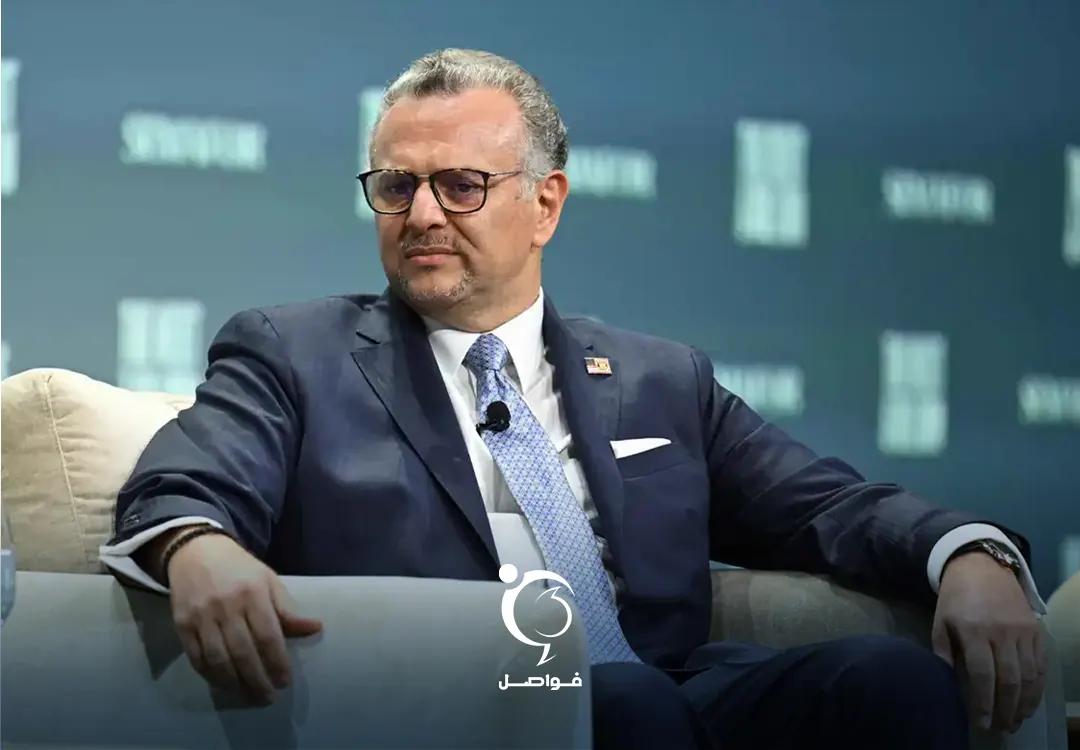
The United States' plan for Libya is centered on creating a unified country through a partnership with its people, not imposing control by a single family or military leader. This was stated by Massad Pece, Senior Advisor to US President Donald Trump on African Affairs. He made these remarks at the "Next 3 Billion" event organized by the "Simfor" platform in New York. The plan aims to bring together Libya's institutions and facilitate national elections under the auspices of the United Nations.
According to Pece, the process being facilitated by the US and its partners seeks to unify Libya, paving the way for UN-mediated elections. He emphasized that the goal is to strengthen institutions, not create a dictatorship. This approach is in contrast to the current fragmented state of the country. Libya has been facing significant challenges since the ousting of Muammar Gaddafi in 2011, including rival governments and a fragile security situation.
The US approach to Libya is also informed by its experience with Sudan, where a similar scenario could potentially unfold. Pece expressed strong opposition to the idea of parallel governments, stating that the US does not want to see a repeat of the Libyan situation in Sudan. The US and its international partners are keen on supporting a unified and stable Libya, which can serve as a model for the region.
The American plan for Libya has been welcomed by various stakeholders, who see it as a positive step towards resolving the country's protracted crisis. The international community has been working to find a peaceful solution to Libya's problems, including the ongoing conflict between rival factions. A unified Libya is seen as essential for regional stability and security.
Libya's National Oil Corporation has been playing a crucial role in the country's efforts to stabilize its economy. The corporation has been working to increase oil production and manage the country's hydrocarbon resources. However, the security situation in Libya remains a major challenge, with various factions vying for control.
The UN-mediated elections in Libya are seen as a critical step towards achieving stability and legitimacy. The elections are expected to bring together various Libyan factions and pave the way for a new government. The international community is working closely with Libyan stakeholders to ensure that the elections are free and fair.
The US plan for Libya reflects a broader commitment to supporting stability and democracy in Africa. The US and its partners are working to promote economic development, security, and good governance in the region. The American approach to Libya is part of a larger effort to promote peace and stability in the Middle East and North Africa.
Key points
- The US plan for Libya prioritizes unity, partnership, and institution-building over control by a single family or military leader.