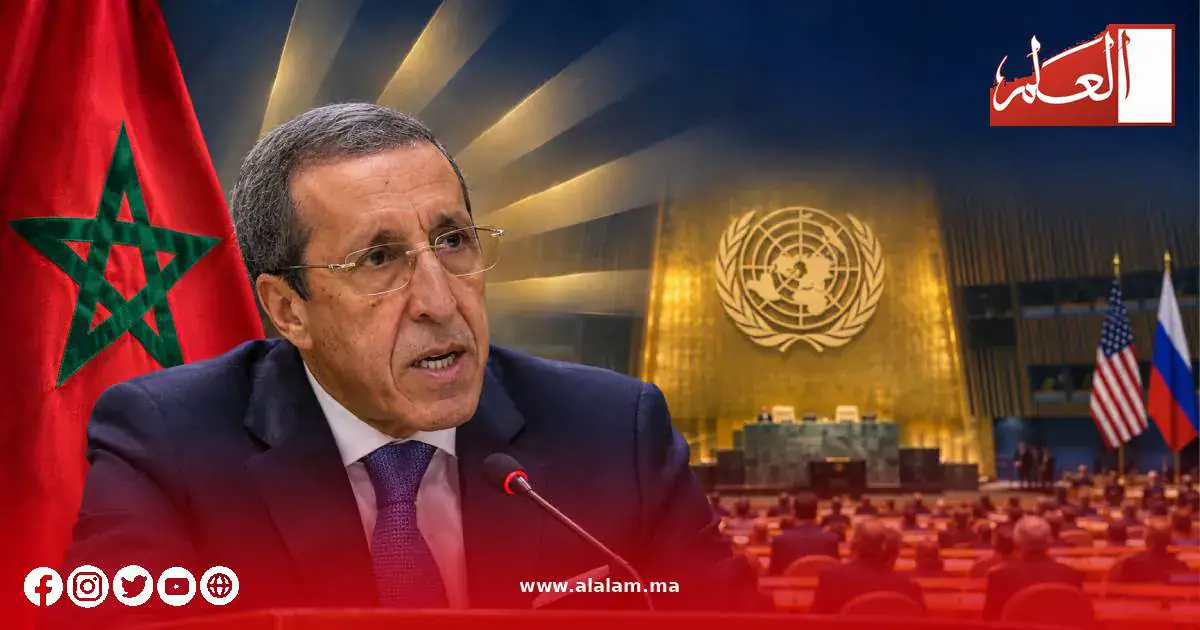
The UN General Assembly session on Tuesday, November 10, 2026, was a highly anticipated event, given the recent developments in the Western Sahara conflict. The session was marked by a heated debate, with Morocco's ambassador to the UN, Omar Hilal, playing a pivotal role. Hilal did not mince words, questioning Algeria's role in the conflict and its stance on autonomy under Moroccan sovereignty. This bold move sparked a lively discussion, with various countries weighing in on the issue.
Hilal's intervention was significant, as it came on the heels of Russia's veto of a US-backed resolution on Western Sahara at the UN Security Council. The Russian veto was met with criticism from several countries, including the US, which had garnered 11 votes in favor of the resolution. Hilal argued that the Russian veto would not change Morocco's stance on its sovereignty over the Western Sahara region. He emphasized that the Sahara had been part of Morocco before the October 30 session and would remain so, regardless of the outcome of the Security Council vote.
During his address, Hilal posed six pointed questions to Algeria, focusing on its role in the conflict and its stance on autonomy. He asked why Algeria rejected the Moroccan autonomy initiative, which he described as a negotiated solution that balances Moroccan territorial integrity with the empowerment of the Western Sahara population. Hilal also questioned Algeria's decision to present itself as a mere observer, despite its active involvement in the conflict. Furthermore, he inquired about Algeria's continued support for a referendum, which has not been held in 35 years.
The Moroccan ambassador also raised concerns about the humanitarian situation in the Tindouf refugee camps, where thousands of Western Saharans are living in precarious conditions. He asked why Algeria refused to conduct a comprehensive census of the camp's population, which would help determine the number of inhabitants and ensure transparency in humanitarian aid distribution. Additionally, Hilal questioned Algeria's opposition to durable solutions for the camp's residents, allowing them to move beyond a protracted wait.
Hilal's fifth question pertained to Algeria's stance on expanding the consultations led by UN Special Envoy Staffan de Mistura. He called for a more inclusive approach, inviting a broader range of voices from the Western Sahara community, including those from the diaspora and the region. This appeal was seen as an attempt to ensure that any future solution would reflect the diversity of opinions within the Western Sahara community.
The US ambassador to the UN, Mike Waltz, expressed support for the Moroccan autonomy initiative, emphasizing the need for a negotiated solution to the conflict. He revealed that three rounds of talks had taken place in Madrid and Washington during 2026, aimed at finding a mutually acceptable solution. The US stance was seen as a significant development, as it underscored the international community's growing support for the autonomy initiative.
The UN General Assembly session on Western Sahara highlighted the complexities of the conflict and the divergent views of the parties involved. While Morocco and the US are pushing for a negotiated solution based on autonomy under Moroccan sovereignty, Algeria and the Polisario Front remain opposed to this approach. The international community continues to grapple with finding a durable solution to the conflict, which has dragged on for decades.
Key points
- Morocco's ambassador to the UN, Omar Hilal, questioned Algeria's role in the Western Sahara conflict and its stance on autonomy under Moroccan sovereignty during a heated debate at the UN General Assembly.